Naringin, a flavanone glycoside found abundantly in citrus fruits such as grapefruits, has gained significant attention in recent years due to its potential health benefits, particularly its role as an antioxidant. As a leading supplier of naringin, I am excited to delve into the scientific mechanisms behind how naringin works as an antioxidant and explore its implications for various industries.

Understanding Antioxidants
Before we discuss how naringin functions as an antioxidant, it is essential to understand what antioxidants are and why they are crucial for our health. Antioxidants are substances that can prevent or slow damage to cells caused by free radicals, unstable molecules that the body produces as a byproduct of normal metabolism or in response to environmental stressors such as pollution, radiation, and smoking. Free radicals can cause oxidative stress, which has been linked to a wide range of health problems, including cancer, heart disease, Alzheimer's disease, and aging.
Antioxidants work by neutralizing free radicals, either by donating an electron to stabilize them or by preventing their formation in the first place. This helps to protect cells from oxidative damage and maintain their normal function. There are many different types of antioxidants, including vitamins (such as vitamin C and vitamin E), minerals (such as selenium), and phytochemicals (such as flavonoids and polyphenols).
The Chemical Structure of Naringin
Naringin has a unique chemical structure that contributes to its antioxidant properties. It consists of a flavanone core with a glycosidic bond attached to a sugar molecule (rhamnose). This structure allows naringin to interact with free radicals and other reactive oxygen species (ROS) in a variety of ways.
The flavanone core of naringin contains several hydroxyl groups (-OH), which are known to have antioxidant activity. These hydroxyl groups can donate electrons to free radicals, neutralizing them and preventing them from causing damage to cells. Additionally, the glycosidic bond in naringin can enhance its solubility and stability, allowing it to be more easily absorbed and distributed throughout the body.
Mechanisms of Naringin's Antioxidant Action
Naringin exerts its antioxidant effects through multiple mechanisms, including direct scavenging of free radicals, modulation of antioxidant enzymes, and inhibition of pro - oxidant enzymes.
Direct Scavenging of Free Radicals
One of the primary ways naringin acts as an antioxidant is by directly scavenging free radicals. It can react with a variety of free radicals, such as superoxide anions (O₂⁻), hydroxyl radicals (·OH), and peroxyl radicals (ROO·). For example, naringin can donate an electron to a superoxide anion, converting it into hydrogen peroxide (H₂O₂), which can then be further broken down by antioxidant enzymes.
The ability of naringin to scavenge free radicals is related to its chemical structure. The hydroxyl groups on the flavanone core can react with free radicals through hydrogen atom transfer or electron transfer reactions. This neutralizes the free radicals and prevents them from initiating chain reactions that can cause oxidative damage to cells.
Modulation of Antioxidant Enzymes
Naringin can also modulate the activity of antioxidant enzymes in the body. Antioxidant enzymes, such as superoxide dismutase (SOD), catalase (CAT), and glutathione peroxidase (GPx), play a crucial role in protecting cells from oxidative stress. These enzymes work together to convert free radicals into less harmful substances.
Studies have shown that naringin can increase the activity of SOD, CAT, and GPx. For example, in animal studies, naringin supplementation has been found to upregulate the expression of SOD and CAT genes, leading to increased enzyme activity. This enhanced antioxidant enzyme activity helps to reduce the levels of free radicals in the body and protect cells from oxidative damage.
Inhibition of Pro - oxidant Enzymes
In addition to its effects on antioxidant enzymes, naringin can also inhibit the activity of pro - oxidant enzymes. Pro - oxidant enzymes, such as xanthine oxidase (XO) and cyclooxygenase (COX), generate free radicals and contribute to oxidative stress.
Naringin has been shown to inhibit the activity of XO, an enzyme that produces superoxide anions during the metabolism of purines. By inhibiting XO, naringin can reduce the production of superoxide anions and prevent oxidative damage. Similarly, naringin can also inhibit the activity of COX, an enzyme involved in the production of prostaglandins and other inflammatory mediators. Inhibition of COX can reduce inflammation and oxidative stress in the body.
Applications of Naringin as an Antioxidant
The antioxidant properties of naringin make it a valuable ingredient in various industries, including the food, pharmaceutical, and cosmetic industries.
Food Industry
In the food industry, naringin can be used as a natural antioxidant to prevent the oxidation of food products. Oxidation can cause food to spoil, develop off - flavors, and lose its nutritional value. By adding naringin to food products, manufacturers can extend their shelf life and improve their quality. For example, naringin can be used in the preservation of oils, fats, and meat products.
Pharmaceutical Industry
In the pharmaceutical industry, naringin's antioxidant properties have potential applications in the treatment and prevention of various diseases. Its ability to reduce oxidative stress and inflammation makes it a promising candidate for the treatment of conditions such as cardiovascular disease, diabetes, and neurodegenerative diseases. For example, naringin has been shown to have cardioprotective effects by reducing oxidative damage to the heart and improving blood lipid profiles.
Cosmetic Industry
In the cosmetic industry, naringin can be used as an antioxidant in skincare products. Oxidative stress is a major cause of skin aging, as it can damage collagen and elastin fibers, leading to wrinkles, fine lines, and sagging skin. By incorporating naringin into skincare products, manufacturers can help to protect the skin from oxidative damage and maintain its youthful appearance. For example, naringin can be found in anti - aging creams, serums, and lotions.
Other Related Cosmetic Raw Materials
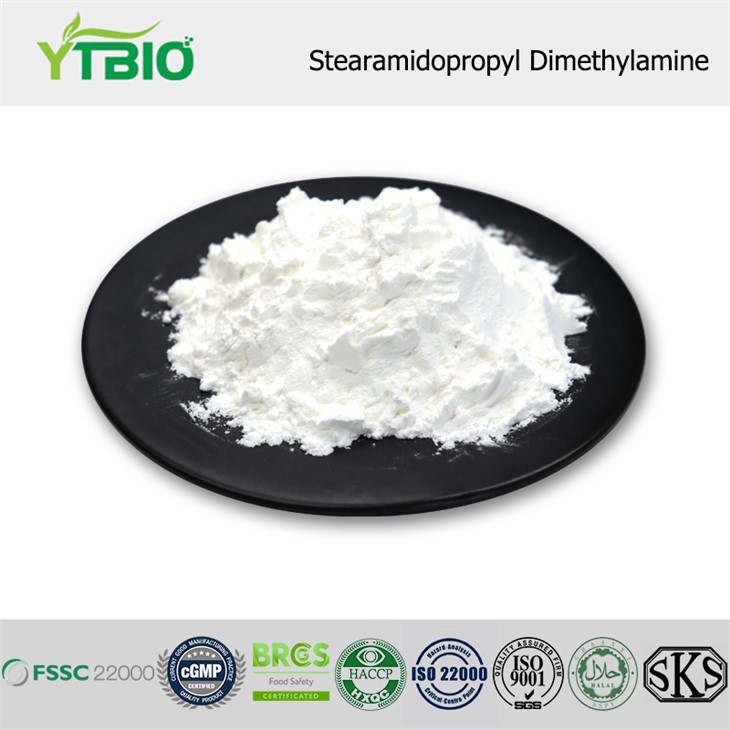
As a supplier, we also offer a range of other cosmetic raw materials that can work in synergy with naringin. For instance, Kopyrrol is a unique ingredient that can enhance the stability and performance of cosmetic formulations. Hinokitiol Price is another interesting raw material known for its antibacterial and antioxidant properties. Burdock Extract can provide additional skin - nourishing benefits, while Stearamidopropyl Dimethylamine is useful for improving the texture of cosmetic products. Apple Cider Vinegar Powder can also be a great addition to skincare formulations for its cleansing and toning properties.
 |
 |
Contact for Purchase and Collaboration
If you are interested in purchasing naringin or any of our other high - quality raw materials, we encourage you to reach out to us. Our team of experts is ready to assist you with your specific needs and provide you with detailed information about our products. Whether you are a food manufacturer, a pharmaceutical company, or a cosmetic brand, we can offer you the best solutions for your antioxidant requirements.
For more information about naringin or other products, please contact:
Email: sales@sxytbio.com
Tel/WhatsApp: +86 177 8257 7059
References
- Ali, B. H., Blunden, G., Tanira, M. O., & Nemmar, A. (2006). Some phytochemical, pharmacological and toxicological properties of citrus flavonoids. Food and Chemical Toxicology, 44(10), 1551 - 1567.
- Chen, C., & Chen, Y. (2013). Naringin: A review of pharmacology, pharmacokinetics, and safety. Journal of Food and Drug Analysis, 21(1), 1 - 10.
- Harborne, J. B., & Williams, C. A. (2000). Advances in flavonoid research since 1992. Phytochemistry, 55(6), 481 - 504.