
If you've ever spent time browsing supplement shelves-either in stores or online-you've probably noticed how many different softgel products exist. From milk thistle extract capsules that support liver health to collagen vitamin C capsules that help with skin vitality, softgels are one of the most popular formats for delivering nutrients to the body. But if you're a brand owner looking to launch your own softgel product, you might be wondering: do softgel manufacturers really provide formulation support? The short answer is yes-though the level and type of support can vary from one supplier to another. As a softgel OEM/private label softgels provider, I've seen firsthand how critical formulation support is to turning a good idea into a successful product, and today I want to break down what that support looks like, why it matters, and how it can make a huge difference for your brand.
Let's start with the basics. Softgels are unique in the supplement world because they're made with a gelatin (or alternative) shell that holds a liquid or semi-solid core. Unlike tablets, which are pressed powders, softgels can mask unpleasant tastes, improve absorption for fat-soluble nutrients, and be shaped for easy swallowing. But creating a softgel isn't just about putting an ingredient into a shell-there's a lot of science involved. The core formulation has to be compatible with the shell, the ingredients need to stay stable over time, and the product has to work for your target audience. That's where formulation support comes in.
When a brand first comes to us with a concept-maybe they want to launch a new energy softgel or a women's health supplement-they often have an idea of what ingredient they want to use, but not much more. For example, a client might say, "I want to make a white kidney bean capsules product for weight management." But how much white kidney bean extract should be in each softgel? What form of the extract is best (standardized vs. non-standardized)? Will it mix well with other ingredients if they decide to add something like fiber or vitamins? These are the questions our formulation team helps answer. This hands-on support isn't a nice extra-it's essential for making a product that's effective, safe, and compliant.
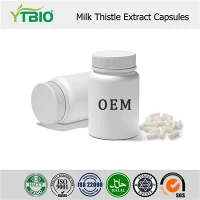
One common misconception is that formulation support only happens at the very start of the process. But in reality, it's a collaborative journey. Let's take a closer look at how it works with some examples from our product portfolio. If a brand comes to us interested in milk thistle extract capsules, our first step is to discuss their goals. Are they targeting customers with liver health concerns? Do they need a specific dosage for a clinical effect? We'll look at the latest research on milk thistle-like studies showing that silymarin, the active compound in milk thistle, is most effective at doses of 140–420 mg per serving. We'll also consider stability: milk thistle extract can degrade if not formulated correctly, so we might recommend using a stabilized form and adding antioxidants like vitamin E to extend shelf life. That's the kind of insight you can't get from just buying pre-made softgels.
Another example is women's probiotic capsules. Probiotics are fragile-they can die from heat, moisture, or harsh ingredients. Formulating a softgel for probiotics requires special care. Our team will help select the right strain (like Lactobacillus acidophilus or Bifidobacterium bifidum) that's shelf-stable in a softgel core, and we'll work on the formulation to protect the bacteria until it reaches the gut. We might also add prebiotics to help the probiotics grow, which is a value-add that makes the product more effective. For a brand that doesn't have experience working with sensitive ingredients, this guidance is invaluable.
What about brands that are looking to create something a bit more specific, like breast enlargement capsules? It's important to note that we always work with brands to ensure their products are compliant with regulatory guidelines-no false claims, just science-backed ingredients. Our formulation team will help select ingredients that have been studied for their potential benefits (like fenugreek or fennel extracts, which are commonly used in such products) and ensure they're dosed correctly. We'll also make sure the formulation is safe, with no harmful additives, and meets quality standards. This kind of support ensures that the product is not only what the brand wants, but also what their customers can trust.
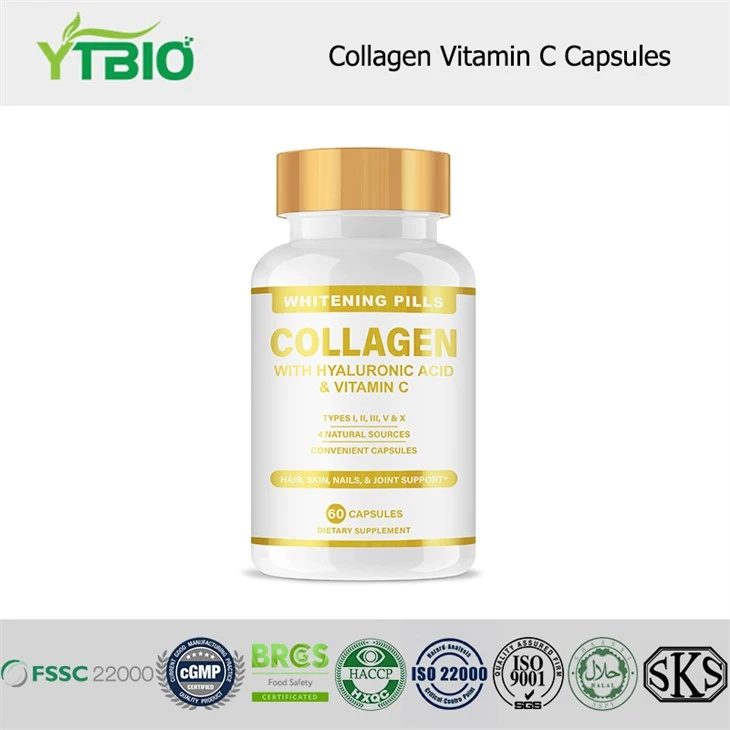
Collagen vitamin C capsules are another great example of how formulation support makes a difference. Collagen is a protein that's not very soluble in water, so getting it into a softgel requires careful planning. Our team will help choose a hydrolyzed collagen peptide that's small enough to mix well with the liquid core, and we'll pair it with vitamin C, which is essential for collagen synthesis in the body. We'll also consider the flavor-collagen can have a mild odor, so we might add natural flavorings to make the softgel more appealing. Without that expertise, a brand might end up with a product that's gritty, smells bad, or doesn't deliver the nutrients it promises.
Now, you might be wondering: what kind of support do manufacturers actually provide? Let's break down the key areas. First, ingredient selection. A good formulation team will have relationships with trusted raw material suppliers and can recommend ingredients based on efficacy, stability, and cost. They'll also help you understand the difference between standardized extracts (which have a set amount of active compounds) and non-standardized ones, so you can make an informed decision. Second, core formulation development. This is where the magic happens-creating the liquid or semi-solid mix that goes into the softgel shell. They'll test different ratios of ingredients, make sure there's no interaction between components, and ensure the core is compatible with the shell. Third, stability testing. This is critical for making sure your product stays effective from production to expiration. The team will test the softgel under different conditions (temperature, humidity, light) to see how the ingredients hold up, and adjust the formulation if needed. Fourth, regulatory support. Different countries have different rules for supplements, and a good manufacturer will help you navigate those rules-ensuring your product is labeled correctly, meets safety standards, and is allowed to be sold in your target market. Fifth, custom formulation adjustments. If you have a specific idea, like adding a second ingredient or changing the dosage, the team can tweak the formulation to fit your needs.
As a softgel OEM/private label provider, I've seen how this support can make or break a brand. A few years ago, we worked with a small brand that wanted to launch a collagen product for mature women. They came to us with a basic idea-collagen and vitamin C-but no experience in formulation. Our team helped them select a high-quality marine collagen (which is more easily absorbed than bovine collagen), adjusted the dosage to 1000 mg of collagen per softgel (a clinically effective dose), and added hyaluronic acid to enhance skin hydration. We also ran stability tests and found that the original formulation had a slight odor issue, so we worked with them to add natural citrus flavoring that masked the smell without adding synthetic ingredients. The product launched, became a best-seller, and that brand is now one of our long-term partners. That's the power of good formulation support-it turns a concept into a successful product.
Of course, not all softgel manufacturers offer the same level of support. Some might just give you a pre-made formulation and expect you to make minor changes, while others will work with you every step of the way. When choosing a manufacturer, look for one that has a dedicated formulation team, experience working with your type of product, and a track record of supporting brands from start to finish. Ask them about their process: will they help with ingredient selection? Do they run stability tests? Can they adjust the formulation to meet your needs? A good manufacturer will be transparent about their capabilities and willing to answer all your questions.
Another thing to consider is that formulation support isn't just for new brands. Even established brands come to us when they want to reformulate an existing product, improve its efficacy, or reduce costs without sacrificing quality. For example, a brand might have a popular milk thistle product that's been on the market for a few years, but they want to switch to a more sustainable gelatin alternative (like seaweed-based alginate) to meet consumer demand for vegan products. Our formulation team can adjust the core to work with the new shell material, run compatibility tests, and ensure the product works just as well (if not better) than before. That's the kind of flexibility that comes from having a strong formulation team.
At the end of the day, softgel manufacturers that provide strong formulation support don't just make softgels-they make partnerships. They invest in your success by sharing their expertise, solving problems, and helping you create a product that stands out in a crowded market. Whether you're a small brand just starting out or an established brand looking to expand your product line, that kind of support is invaluable.
If you're ready to turn your softgel concept into a reality, we're here to help. Our team has years of experience in formulating all kinds of softgels, from milk thistle extract capsules to women's probiotic capsules, and everything in between. We work closely with every client, from initial concept to final production, and our formulation team is always on hand to answer your questions, adjust your product, and ensure your success. Ready to talk about your project? Reach out to our team to start your softgel OEM/private label journey today.
Telephone/WhatsApp:+8617782577059
Email:sales@sxytbio.com
 |
 |
References:
- Patel, M., & Singh, R. (2021). Formulation and stability evaluation of softgel capsules containing milk thistle extract. Journal of Pharmaceutical Sciences and Research, 13(4), 452–458.
- Lee, S., et al. (2020). Formulation strategies for improving the stability and bioavailability of probiotics in softgel dosage forms. International Journal of Pharmaceutics, 589, 119852.
- Kim, J., & Park, H. (2019). Hydrolyzed collagen softgels: Formulation considerations for solubility and oral bioavailability. Journal of Cosmetic Dermatology, 18(3), 789–795.
- World Health Organization. (2022). Guidelines for the formulation and quality control of herbal softgel supplements. WHO Press.
- American Herbal Products Association. (2021). Best practices for private label supplement manufacturing: Formulation support and regulatory compliance. AHPA Publications.