


YTBIO: Your Professional Natural Organic Raw Materials Supplier!
Shaanxi Yuantai Biotechnology Co., Ltd. (YTBIO) is a professional manufacturer and supplier of health food raw materials, finished products and functional cosmetic raw materials. Our company was established in 2014. Our main products include herbal extracts, magnesium threonate and creatine monohydrate, etc., and provide OEM/ODM services for capsules, tablets and solid beverages. Currently, we have branches and transit warehouses in Europe (Netherlands, Rotterdam), the United States and other places to provide more convenient services to local customers.
Multiple Partners
Our company has many partners in Europe, America, and Southeast Asian countries, and cooperates with brands of various sizes, including Sponge Spicule, Retinal, Glutathione, Arbutin, etc.
Well Equipped
We have established advanced production facilities of over 4,000 square meters and a complete in-house laboratory, which can provide specially designed formulas and arrange flexible production plans.
Quality Assurance
Our products are produced strictly in accordance with the highest quality requirements and have obtained HACCP, ISO9001, ISO22000, HALAL, KOSHER, FDA, EU&NOP certification and NMPA registration certificates for various cosmetic ingredients.
Customized Services
We can provide customized services at every stage from product formulation to product packaging, including the production, purification, packaging and other aspects of the product's raw materials, and provide OEM/ODM orders.
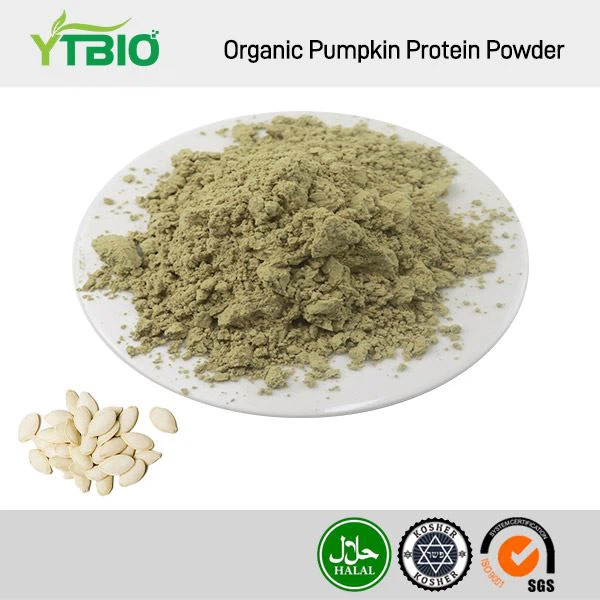
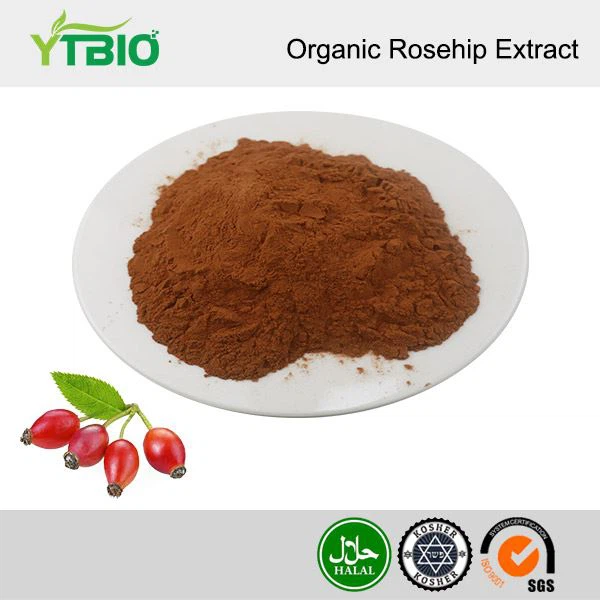

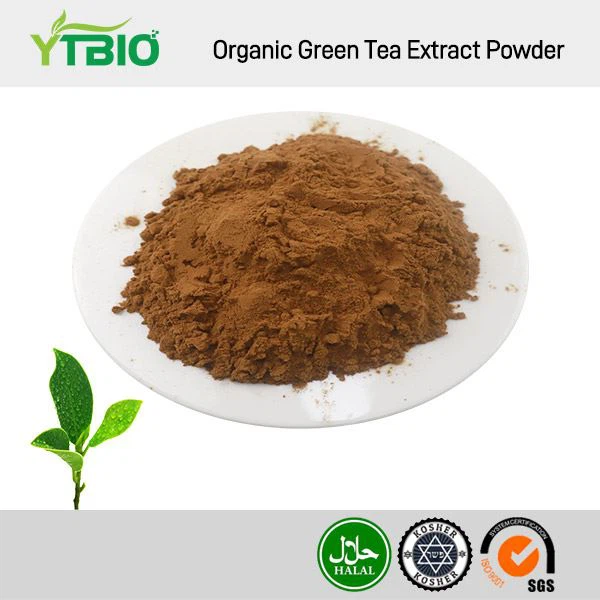
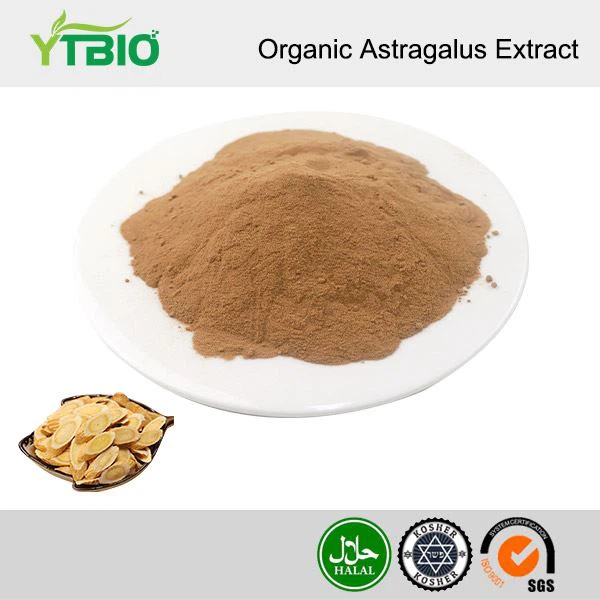
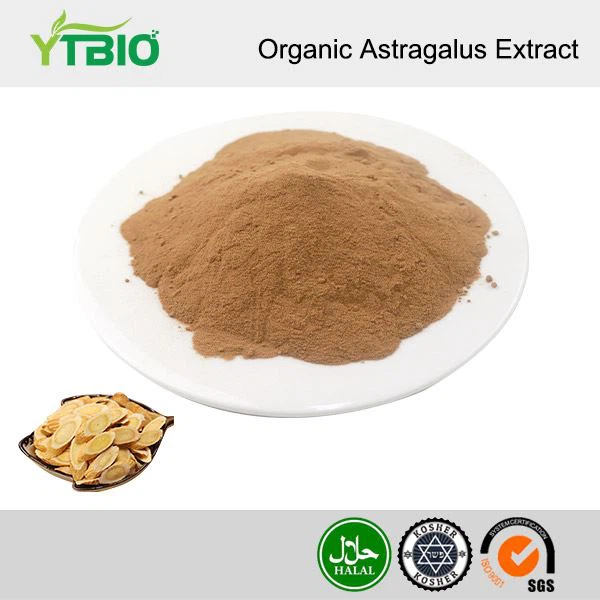
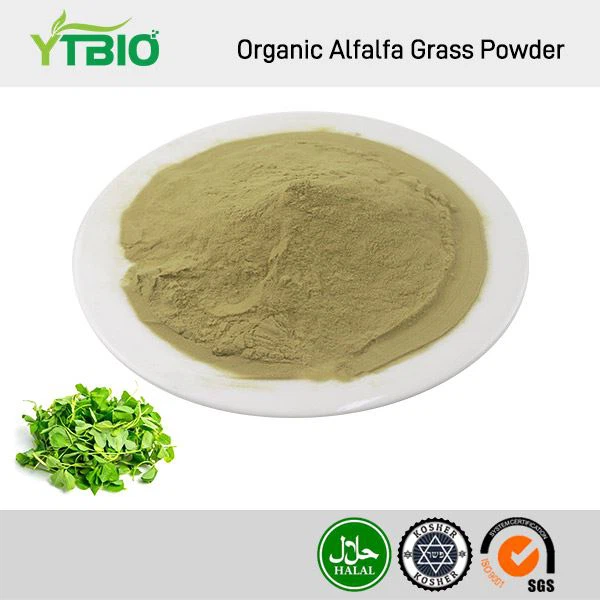

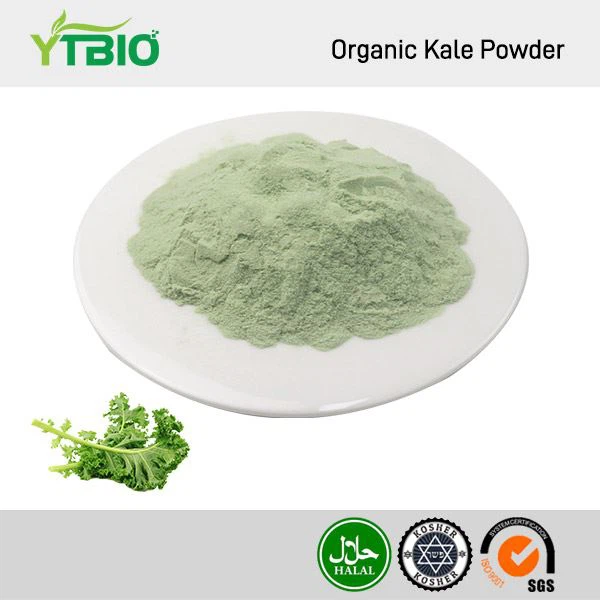

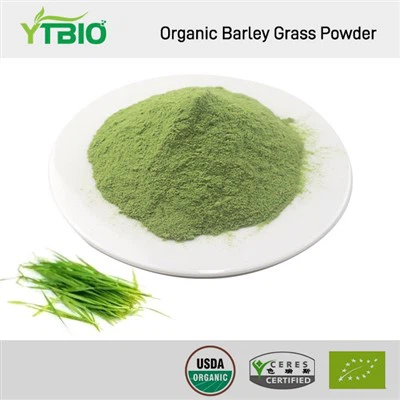
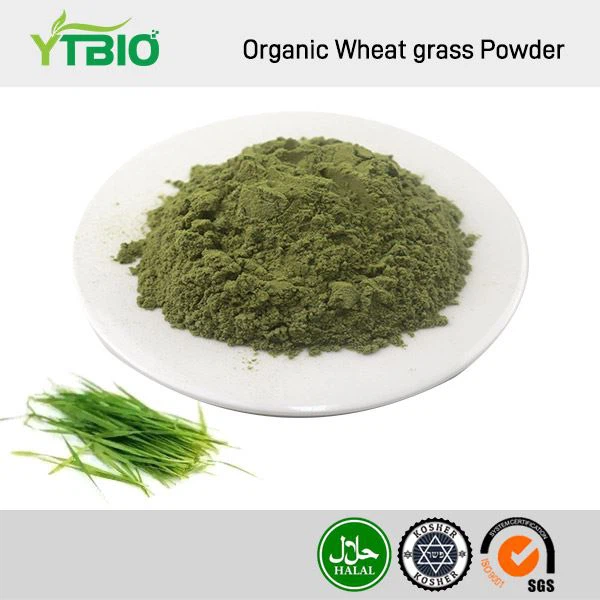



Natural Organic Raw Materials are dietary supplements that are made from organic ingredients, such as fruits, vegetables, whole grains, dairy, or meat. They are made by condensing and concentrating specific fruits, vegetables, and other natural foods into a convenient form that allows you to get the optimal amount of each nutrient in every serving. Organic supplements contain natural ingredients that are more likely to be recognized and used by the body, which can lower the possibility of negative side effects. For example, supplements made from synthetic materials can include artificial additives, fillers, or allergies that could cause negative effects in some people.

Highly Nutritious
Organic foods contain a considerable amount of nutrients, including vitamin C, iron, magnesium, and phosphorous. About 300+ studies have proven that organic fruits and vegetables have 2x more nutritional value than their counterparts.
Chemical Free
When it comes to dealing with organic content, all of the chemical and synthetic associations are eliminated first-hand. It gives equity to health-conscious and diet-conscious people to always make the right choices regarding their health.
Quick Absorption
The body is made so that it accepts organic supplements in a much better way when compared to its synthetic options. According to research, the body shows more potential to absorb Vitamin E in its organic form.
Taste Better
The delicious agricultural products will be planted and picked locally (whether organic, genetically modified or other) within one or two days after maturity, and made into powder state, retaining the most original taste.
There are a lot of reasons why people choose to use nutritional raw materials, and the benefits of doing so are plentiful and far-reaching. These raw materials can help improve your physical health, boost your energy levels, and even help regulate your appetite. Here are some of the top reasons to take nutritional raw materials:
To Boost Your Physical Health - Many people use nutritional raw materials to improve their physical health. This can include things like boosting your immune system or improving your lipid levels.
To Boost Your Energy Levels - People use nutritional raw materials to boost their energy levels. This can be helpful when you're tired or sluggish and can also help you stay focused throughout the day.
To Regulate Your Appetite - Many people use nutritional raw materials to help regulate their appetite. This can be helpful when you're struggling with binge eating or eating disorders in general. raw materials can help curb cravings and control portion sizes, which can greatly relieve those struggling with these issues.
To Improve Your Overall Health - Many people use nutritional raw materials because they believe they provide overall health benefits. This includes things like increasing lifespan or reducing the risk of developing certain diseases.
Below are the top benefits of choosing organic nutritional materials.
They Contain More Nutrients
More than 300 studies have found that organic crops — from apples, blueberries, and carrots to zucchini — have substantially higher concentrations of antioxidants and other nutrients than non-organic ones. And organic materials usually come from these organic foods.
They’re Free of Toxins & Chemicals
When you take a certified organic dietary material, you know that you are using a product that has not been exposed to hundreds of toxic chemicals. Many pesticides and herbicides are carcinogenic or cause endocrine-disruption. Choosing organic means making a conscious effort to keep these harmful toxins and chemicals out of your body.
You’ll Experience Better Taste & Nutrient Absorption
Your taste buds will tell you — organic food tastes great! Healthy soils produce nutritious plants that become nourishing food (and sometimes, wholesome materials). When you consume a material derived from the whole plant, you’re consuming a range of vitamins, minerals, and other nutrients that the body uses.
The body more easily absorbs nutrients from organic products. For instance, your body absorbs natural vitamin E twice as efficiently as the synthetic form. In another case, one-quarter of the amount of natural vitamin K is as effective as the synthetic version.
You Help Conserve Wildlife
Organic farmers work in harmony with nature, promoting sustainability and building healthy ecosystems. Organic farms have 30 percent more animal and bird species on average than non-organic ones. These animals live on farmland and assist in natural pest control — a win-win situation!
You Help Preserve the Environment
Astonishingly, it takes more energy to produce synthetic fossil-fuel-based fertilizers than to cultivate, harvest, and transport crops — combined! Organic farming uses half the energy of conventional methods. Organic farmers use environmentally-friendly farming methods that not only conserve water but also help keep pesticides out of our clean water supplies. In other words, buying organic reduces your footprint on the earth.

CoQ10
CoQ10, or Coenzyme Q10 to give it its full name, is a compound that is naturally produced by our bodies. Each cell of the human body contains a certain level of CoQ10, though the kidneys, heart, and liver usually have the highest level of Coenzyme Q10. The presence of CoQ10 in your cells gives you energy, and so lower levels of this substance in your body can cause fatigue. If your body doesn’t produce the required amount of Coenzyme Q10, then it won’t be able to keep your cells healthy and active.
You can get CoQ10 from foods like fish, nuts, and meat, but these foods only contain small quantities of this compound, so CoQ10 raw materials can be recommended for many people.
Vitamin B12
Another natural supplement that converts the food you eat into energy is Vitamin B12. For Vitamin B12, you must add lots of meat, fish, and dairy products as part of your regular diet. While a healthy diet may be enough to provide your body and cells with sufficient levels of Vitamin B12, a significant proportion of people do not get enough of this vital nutrient and they end up with Vitamin B12 deficiency. You might experience fatigue and exhaustion if your body does not get enough Vitamin B12 through food. Another common symptom of Vitamin B12 deficiency is light-headedness, and in severe cases, it can cause heart palpitations and shortness of breath.
Iron
Red blood cells carry oxygen from your lungs to different organs, cells, and tissues in your body and you need to eat iron-rich food to produce these red blood cells, also known as haemoglobin. People with low haemoglobin levels can suffer from anaemia, a disease that occurs due to the deficiency of iron in your body. Lack of iron is surprisingly common and one of the most common reasons why you may feel tired and weak. The lower the level of red blood cells in your body, the harder it makes it for your lungs to transport oxygen throughout your body. Blood loss due to accidents, pregnancy, as well as poor diet can cause iron deficiency, and your doctor may commonly prescribe iron raw materials in this case.
CBD Oil
CBD is a cannabinoid, one of over 100 compounds that naturally occur in cannabis plants, and works on the human body’s endocannabinoid system (ECS). It regulates a number of functions throughout the body, including sleep patterns, appetite, hormones, inflammation and pain response. CBD is thought to help support the ECS to function correctly. While it is not a treatment or cure for any specific condition, it can help to support an overall sense of wellness.
Creatine
Creatine is another essential which mainly found in meat, fish and poultry. Creatine gives your body the energy it needs to perform high-intensity exercise, and is therefore important for athletes and gym fanatics. Creatine is availble as an organic supplement and can be used to increase your energy levels. Having enough Creatine in your body will boost your endurance and let you train for longer.
Beetroot Powder
Beetroots are packed with antioxidants, minerals, vitamins, iron, and other essential nutrients. Beetroot also contains folate, which is extremely important for cell and DNA health. You can receive these benefits by eating sufficient quantities of fresh beetroot or beetroot juice. However, if you don’t have access to fresh beetroot or simply don’t like the taste, you can also gain these benefits from beetroot in natural organic supplement form.
Turmeric
Turmeric is considered by many to be a medicinal herb, as well as being one of the popular spices in India. It contains a number of compounds that are known for their beneficial properties. For example, it contains curcumin which has anti-oxidant and anti-inflammatory properties. Many people consume turmeric extracts that contain high levels of curcumin. You need at least 1 gram of curcumin in your daily dosage to receive the optimum health benefits of this medicinal herb. That’s virtually impossible when you consume turmeric as the spice or an ingredient in your food, so a turmeric supplement is the better option.
Magnesium
Being the fourth most important nutrient for the human body, magnesium plays a vital role in keeping you healthy and active. This mineral is mainly found in our muscles, tissues, and bones and magnesium raw materials can be used right before you perform high-intensity workouts. Though research hasn’t proven its effects on your energy levels, many people believe that natural magnesium raw materials can give their energy levels a boost. Your body needs around 400 milligrams (mg) of magnesium a day for men and 320mg for women. You could include the magnesium-rich foods in your diet or take organic raw materials.
Lavender Oil
Lavender oil is known for its antiseptic and inflammatory properties and is sometimes used to treat skin issues and minor burns. Lavender oil as a organic supplement is available in a liquid extract and are mainly used in aromatherapy.
Factors to Consider When Choose Natural Organic Raw Materials
Buckle in for a bumpy ride if you want to offer organic materials because the road to get there may not be smooth. Consumers looking to support their healthy lifestyle by eating organic are increasingly seeking organic materials. And they are willing to pay a premium for the privilege. In fact, growth in organic materials has recently outpaced that of non-organic materials by over 75% per year.
Certified Organic
USDA oversees the National Organic Program, and they allow for three tiers of certified organic materials, based on their organic content:
● 100% Organic – The top tier is for products that are produced in organic-certified facilities using only organic ingredients. Products can carry the “USDA Organic” seal and “100% Organic” label claim.
● USDA Organic – Products contain at least 95% organic content, and are eligible for the “USDA Organic” seal.
● Made with Organic Ingredients – Products contain at least 70% organic content, cannot carry the “USDA Organic” seal, and only limited organic language is allowed on labels.
Organic powdered products like drink mixes and protein powders are by far the most common at all three tiers, and are readily available. The challenge for custom supplement manufacturers and marketers is with solid dosage forms (capsules and tablets).
Organic Capsules vs Organic Tablets
Organic capsule products cannot carry the USDA Organic seal because, although organic gelatin can be produced, there are no organic capsule shells available on the market. As a result, the weight of the capsule shells must be subtracted from the total organic content of the product. Organic-certified capsule products can only be produced at the lowest “Made with Organic Ingredients” tier. Meanwhile, organic tablet products are rarely seen, for three reasons.
The typical non-active components of tablets (excipients) are simply not allowed in organic products.
It takes a high level of manufacturing expertise and specialized equipment to make stable and robust tablets from finicky organic actives and excipients.
Each organic ingredient can behave differently on the tablet press, requiring innovative approaches to formulation and development of each new product.
Organic Manufacturing Partner
If you are dealing with a contract manufacturer who doesn’t know the road, you will hit more than a few bumps. With more than decades of experience and expertise, we can offer you a smooth ride to producing your own unique organic supplement.
Certificate Photo


Factory Photos

Frequently Asked Questions of Natural Organic Raw Materials
Q: What are organic food materials?
Q: What foods are made with organic materials?
Fruits – any ingredient derived from a fruit, such as mango nectar, key lime juice, or banana chips, must be certified organic.
Vegetables – any ingredient derived from a vegetable, such as carrot juice, kale chips, or celery, must be certified organic.
Q: What food is 100% organic?
Q: What does made with organic materials mean on a food label?
Q: Are organic foods healthier?
Q: Why is organic food more expensive?
Q: What are the raw materials of crops?
Q: What is the most common organic food?
Apples.
Sweet Bell Peppers.
Cucumbers.
Celery.
Potatoes.
Grapes.
Cherry Tomatoes.
Q: What are the main principles and standards governing the cultivation and production of organic raw materials?
Q: How do organic farming practices impact soil health and fertility compared to conventional farming methods?
Q: What are some common organic certifications and labels consumers should look for when purchasing organic food raw materials?
Most raw, unprocessed or minimally processed farm crops can be labeled “100 percent organic”
PDP: May include USDA organic seal and/or 100 percent organic claim.
Q: How do organic raw materials contribute to sustainable agricultural practices and environmental conservation?
Q: Are there any potential drawbacks or limitations associated with organic farming and organic raw materials?
Q: How does the taste and flavor of organic fruits and vegetables compare to their conventionally grown counterparts?
Q: What is an example of an organic food?
Q: What are the benefits of organic raw materials?
Q: Can you trust organic food labels?
Q: Are all organic foods 100% pesticide free?
Q: What role do genetically modified organisms (GMOs) play in organic agriculture, and are they permitted in organic food production?
Q: How do organic farming methods promote biodiversity and support the natural ecosystem compared to conventional agriculture?
Shaanxi Yuantai Biological Technology Co., Ltd. is one of the most professional natural organic raw materials manufacturers and suppliers in China, specialized in providing natural plant extracts with competitive price. We warmly welcome you to buy or wholesale bulk natural organic raw materials for sale here from our factory.
