


YTBIO: Your Professional Health Food Raw Materials Supplier!
Shaanxi Yuantai Biotechnology Co., Ltd. (YTBIO) is a professional manufacturer and supplier of health food raw materials, finished products and functional cosmetic raw materials. Our company was established in 2014. Our main products include herbal extracts, magnesium threonate and creatine monohydrate, etc., and provide OEM/ODM services for capsules, tablets and solid beverages. Currently, we have branches and transit warehouses in Europe (Netherlands, Rotterdam), the United States and other places to provide more convenient services to local customers.
Multiple Partners
Our company has many partners in Europe, A merica, and Southeast Asian countries, and cooperates with brands of various sizes, including Sponge Spicule, Retinal, Glutathione, Arbutin, etc.
Well Equipped
We have established advanced production facilities of over 4,000 square meters and a complete in-house laboratory, which can provide specially designed formulas and arrange flexible production plans.
Quality Assurance
Our products are produced strictly in accordance with the highest quality requirements and have obtained HACCP, ISO9001, ISO22000, HALAL, KOSHER, FDA, EU&NOP certification and NMPA registration certificates for various cosmetic ingredients.
Customized Services
We can provide customized services at every stage from product formulation to product packaging, including the production, purification, packaging and other aspects of the product's raw materials, and provide OEM/ODM orders.
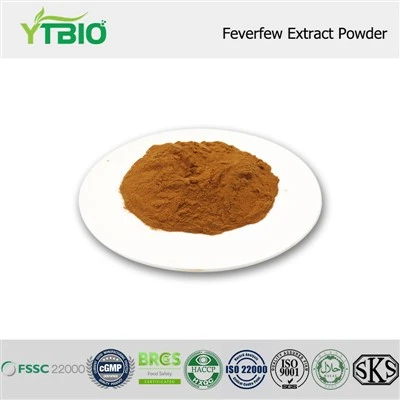
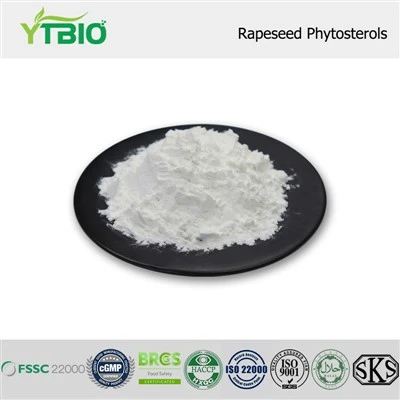
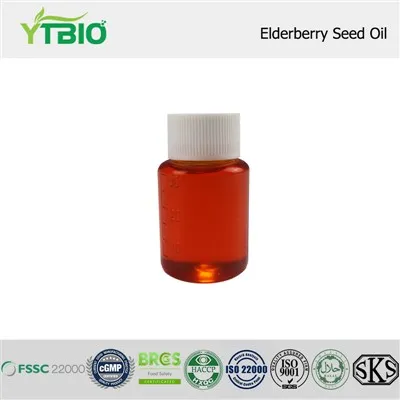
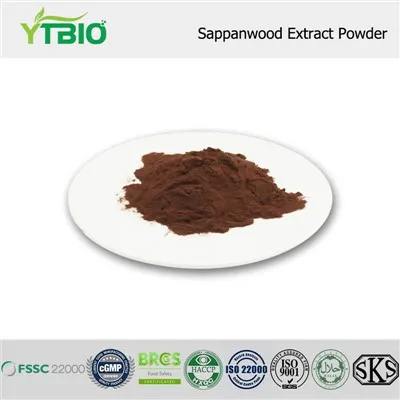
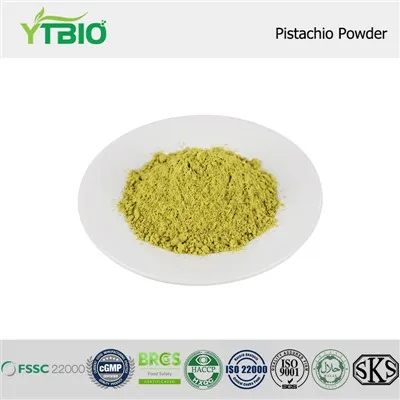

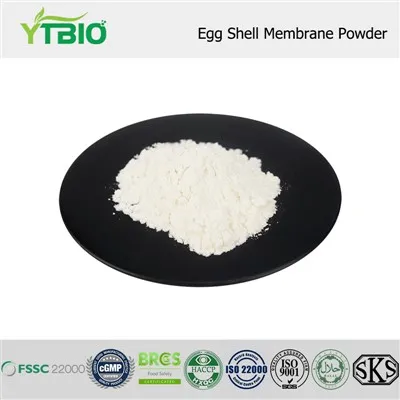



Health food raw materials refer to the ingredients used in the production of health foods. These raw materials are typically selected for their nutritional value, health benefits, and sometimes their natural or organic characteristics. Examples of health food raw materials include fruits, vegetables, nuts, seeds, grains, herbs, spices, and various extracts derived from plants. These raw materials often contain vitamins, minerals, antioxidants, fiber, and other bioactive compounds that are believed to promote health and well-being. The main criterion for the applicability of a particular type of raw material is the availability of its complete and accurate specifications from the standpoint of quality, safety, and authenticity.

High Nutrient Density
Nutraceutical ingredients are rich in essential nutrients such as vitamins, minerals, antioxidants and phytonutrients, providing high concentrations of beneficial compounds per calorie.
Natural Ingredients
Our nutraceutical ingredients are minimally processed or whole foods that retain their natural nutrients without added chemicals, preservatives or artificial ingredients.
Anti-Oxidation
These food ingredients are rich in antioxidants, which help protect cells from free radical and oxidative stress damage. Examples include vitamins C and E, beta-carotene and polyphenols found in fruits, vegetables and herbs.
Easy to Process
They have pristine particle size and shape, granularity and porosity, and contain nutrients that are easily absorbed and utilized by the body, maximizing their nutritional value.
The application of food raw materials in food production is one of the means for enterprises to open up new markets. In today’s food industry, a serious of approved new food raw materials have been widely used in various food products.
In Common food
Fish oil gummy, maca solid beverage, blueberry lutein ester candy, aloe milk drink (aloe vera gel), etc., a plenty of common food contain new food raw materials. When using an approved new food raw material in common food, food enterprises shall pay attention to the following 3 aspects:
● Application scope
● Daily intake
● Labelling requirement
In Health Food
Based on statistics, the approved new food raw materials that can be commonly found in registered health foods are that, lipid and carbohydrate raw materials are the most popular new food raw materials in health food. Furthermore, most health food enterprises are used to purchase the new food raw material from the manufacturer who applied for new food raw material registration, and obtain relevant approval documents from the manufacturer, in order to avoid unnecessary troubles during the application of health food registration.
In FSMP
The usage of new food raw materials in foods for special medical purpose (FSMP) shall comply with relevant approval notice of that material as well as the corresponding food safety national standard of FSMP. For example, fish oil is added in a specific nutritionally complete food for COPD patient. The manufacturer shall pay attention to the following two points. The quality of fish oil shall comply with the requirements listed in its approval notice (Former MOH Notice No. 18/2009); The content of fish oil in the product shall be adjusted according to the n-3 fatty acid limit (as EPA and DHA) that stipulated in the Q&A of GB 29922.
At present, food raw materials are rarely used in FMSP in China, this is because most food raw materials are unsuitable for FSMP because of their limited role in nutrition support (which is the essence of FSMP) or since they contain other bioactive ingredients which are not allowed to be added in FSMP. Therefore, when selecting a new food raw material as the ingredient of FSMP, its nutrition support is the first concern.
Benefits of Health Food Raw Materials
Choosing sustainable health food raw materials gives you a different view on purchasing policies above and beyond the usual cost, quality and delivery time criteria. This supply scheme involves taking into account many inherent in making ethical and strategic choices! Let’s have a look at the advantages of responsible health food raw materials for your product development.
Sustainable health food raw materials : A Mutual Ethical Commitment
With sustainable health food raw materials, you are assured of working with partners who share common values. Produce materials without destroying, promote sustainable development, grow together while creating value! A sustainable supply fits with the three pillars of corporate social responsibility (CSR):
environmental responsibility with environmentally friendly practices in order to preserve air, water, soil, fauna and flora;
the social concerns focusing on constantly improving working conditions at each step of the process;
economic issues while promoting local employment and setting up long-term and virtuous partnerships.
A Strong and Widely Recognized Approach
80% of companies recognise the positive impact of sustainable supply on their reputation, more than 60% on client satisfaction and 70% on commitment of their employees. These figures are based on a study carried out by the NGO WWF in 2017 gathering feedback from 50 major retailers and their purchasing policy with regard to sustainable wood. This supply chain shares several common issues with sustainable botanical ingredients: natural resources conservation, biodiversity protection, the protection of worker rights throughout the supply chain, etc Another survey conducted by the French institute of public opinion (Ifop) for the NGO WWF a large majority of consumers recognise sustainable chains. 70% of the French are willing to change their consumption habits and opt for more responsible products.
Supply Chain Security
First of all, what is more complex than disrupting the supply chain when demand is at its highest point? In sustainable chains, all conditions are set up to optimise supply chain security. The reliability of different stakeholders is crucial: selection is based on strict criteria and regular monitoring is carried out! Beyond the control of cultivation areas, there is increased strict vigilance with regard to storage and transport conditions of botanical ingredients. Many factors are checked and listed to ensure perfect traceability from the land to the end consumers!
Types Of Health Food Raw Materials
Erythritol Powder
Erythritol, a type of carbohydrate called sugar alcohol, is one of the most common artificial sweeteners available. It's popular in foods marketed for weight loss and diabetes. Erythritol is found naturally in some foods. It's also made when things like wine, beer, and cheese ferment. Erythritol provides 0.2 calories per gram—3.8 calories less than table sugar—and is about 70% as sweet as sugar. It tastes sweet, similar to table sugar.
● Promote Healthy Blood Sugar Levels
Choosing erythritol-sweetened products over those containing table sugar and other sweeteners may help improve both short-term and long-term blood sugar control. Unlike other sweeteners, your body absorbs erythritol through the small intestine and then excretes most of it unchanged through your urine.
The glycemic index (GI) is a measure of how quickly a food or drink raises blood sugar levels. Erythritol has a glycemic index of zero to one, meaning it has little to no impact on blood sugar. For reference, the GI of sucrose or table sugar is 65.6
● Help Reduce Calorie Intake
Erythritol contains only 5% of the calories found in sugar, so using erythritol in place of table sugar can help you cut back on your calorie intake. In addition to being much lower in calories than table sugar and other sweeteners, erythritol may help reduce hunger levels after eating, helping you eat fewer calories.
A small study that included 20 healthy people found participants who received 50 grams (g) of erythritol 15 minutes before eating a meal consumed significantly fewer calories compared to participants who received table sugar, the artificial sweetener sucralose, or tap water before eating.
● Could Protect Dental Health
A high-sugar diet damages the teeth and gums. Cavity-promoting bacteria like Streptococcus mutans (S. mutans) feed on sugar and produce acids that break down tooth enamel, which is why dietary added sugar intake is considered the most significant risk factor for cavities.
Studies lasting two months to three years show consuming products like gum and candy containing 5-7.5 g of erythritol per day inhibits the growth of dental plaque in both children and adults. Erythritol prevents plaque by passing through bacterial membranes and interfering with growth pathways, which prevents the growth and spread of plaque.
Reishi Extract Powder
Reishi powder is made from the reishi mushroom (Ganoderma lucidum), also known as lingzhi, which has been used in Asian medicine for over 2,000 years. The reishi mushroom is bitter-tasting and contains triterpenes, polysaccharides, peptides, dietary fiber, minerals, vitamins, and amino acids. Reishi is used in supplements and other products, and is thought to have some effects on the immune system.
● Boost the Immune System
One of the most important effects of the reishi mushroom is that it can boost your immune system. Test-tube studies have shown that reishi can affect the genes in white blood cells, which are critical parts of your immune system. One 2006 study found that reishi could increase the number of other white blood cells in those with colorectal cancer.
● Anti-Cancer Properties
Many people consume reishi due to its potential anticancer properties. In fact, several test-tube studies have shown that it can lead to the death of cancer cells. Some research has also investigated if reishi could be beneficial for prostate and colorectal cancer due to its effects on inflammation and certain signaling pathways involved in cancer development. What’s more, one review indicated that the mushroom could benefit people with cancer when used alongside traditional treatment by increasing the activity of white blood cells and improving quality of life (17Trusted Source).
● Could Reduce Fatigue and Depression
Though reishi’s effects on the immune system are often most emphasized, it may also reduce depression and fatigue. One older study examined its effects in 132 people with neurasthenia, a condition associated with aches, pains, dizziness, headaches, and irritability. The researchers found that fatigue was reduced and well-being was improved after 8 weeks of taking the supplements. Another 2012 study on people with breast cancer found that taking reishi powder reduced fatigue, anxiety, and depression and improved quality of life after 4 weeks.
Senna Leaf Extract Powder
Senna leaf powder is derived from the leaves of the senna plant, specifically from the species Senna alexandrina. Senna is a shrub native to North Africa, and the leaves have been used for centuries in traditional medicine for their laxative properties. It is approved in the US as a laxative for short-term treatment of constipation.
● Effective for Constipation
Taking senna by mouth is effective for short-term treatment of constipation. Senna is an FDA-approved nonprescription drug for adults and children ages 2 years and older. In elderly people, senna plus psyllium is more effective than lactulose for treating ongoing constipation. Senna plus docusate sodium is effective for treating constipation in the elderly and in people who have undergone anorectal surgery.
● Bowel Preparation before Colonoscopy
Taking senna by mouth is as effective as castor oil and bisocodyl for bowel cleansing. Some evidence suggests that senna is also at least as effective as polyethylene glycol for bowel preparation. Taking a combination of senna, sodium picosulfate, and polyethylene glycol appears to be more effective than sodium phosphate for bowel prepration prior to colonoscopy.
Glutamic Acid Powder
Glutamic acid powder is a compound derived from the amino acid glutamic acid, it can be synthesized by the body and is not necessarily obtained through the diet. Their main purpose is to serve as building blocks for proteins. Like many other amino acids, it exists in two different forms: L-glutamine and D-glutamine. They are almost identical but have a slightly different molecular arrangement.
● Improve for the Immune System
One of the most important functions of glutamine is its role in the immune system. It is a critical fuel source for immune cells, including white blood cells and certain intestinal cells. However, its blood levels can decrease due to major injuries, burns or surgeries. For these reasons, high-protein diets, high-glutamine diets or glutamine supplements are often prescribed after major injuries like burns.
● Play a Role in Intestinal Health
Glutamine’s immune system benefits are related to its role in intestinal health. In the human body, the intestines are considered the largest portion of the immune system. This is because of the many intestinal cells with immune functions, as well as the trillions of bacteria that live in your intestines and impact your immune health. It also helps maintain the barrier between the inside of your intestines and the rest of your body, thereby protecting against a leaky gut.
● Effective for Muscle Gain and Exercise
In one study, 31 people took either glutamine or a placebo during six weeks of weight training. By the end of the study, both groups showed improved muscle mass and strength. Some research has reported that glutamine supplements may decrease muscle soreness and improve recovery after intense exercise. In fact, one study found that glutamine or glutamine plus carbohydrates can help reduce a blood marker of fatigue during two hours of running.
Luo Han Guo Extract Powder
Luo Han Guo extract powder, also known as monk fruit extract, is made from the juice of the monk fruit, a small round melon native to Southeast Asia. The fruit has been used in traditional Chinese medicine since the 13th century to treat colds and digestive issues. It is rich in polysaccharides, flavonoids, and mogrosides, which are believed to be responsible for the sweet flavor of the extract.
● Reduces Blood Sugar Levels
Research suggests that flavonoids and mogrosides in monk fruit can reduce blood sugar levels. In animal study, rats with type 2 diabetes were given mogrosides for 13 weeks. The rats showed improved insulin activity and reduced blood sugar levels. The mogroside extract helped prevent complications in the rats with diabetes.
● Prevents Obesity
Mogrosides present in monk fruit improve the activity of enzymes that break down fat. Research shows that eating mogrosides helps suppress fat and cholesterol levels and reduce body weight in mice with obesity. Within 1 to 3 hours of eating mogrosides, the fat content in mice blood was seen to decrease.
● Boosts Immunity
Monk fruit polysaccharides can increase the activity and function of immune system organs like the thymus and spleen in mice. They have antioxidant, anti-inflammatory, and immune-boosting properties. This suggests that monk fruit can have similar effects on humans.
● Protects the Liver
Monk fruit can protect the liver and even repair liver damage. S. grosvenorii contains mogroside V, which has liver-protecting effects. In mice with liver injury, mogroside V reduced oxidative damage in liver cells.
Cassia Seed Extract
Cassia seed extract is derived from the seeds of the Cassia obtusifolia plant, commonly known as cassia or Chinese senna. It is closely related to the senna plant, obtained by processing and concentrating the active compounds found in the seeds. It is a traditional Chinese herb that has been used in traditional medicine to treat a variety of conditions.
● Weight Loss
When it comes to weight loss, the Cassia seeds are one of the most effective natural ingredients a detoxing tea can contain. They have the ability to maintain the health of your digestive system, all while helping you get rid of unwanted toxins. Alongside the other natural ingredients found in detox tea, the Cassia seed is the perfect ally for all women who want to lose weight the healthy way.
● Promoting Eye Health
As for the external use of the Cassia seed, it can treat red or itchy eyes and has been known to also alleviate discomfort in the case of light-sensitive eyes. Cassia seed extract is traditionally used to support eye health, particularly in dry eyes and blurry vision.
Factors to Consider When Choose Health Food Raw Materials
When manufacturing a healthcare product, controlling the quality of the raw materials used (for example, the excipients or the components that make up your product) is as important as controlling the quality of your active pharmaceutical ingredients and your finished product. Managing your raw materials as part of your quality system will help to ensure that your finished healthcare product meets its quality attributes. Key considerations when selecting the raw materials include:
Choose the Right Material
● Is there enough information to support the safety of the material selected (as well as its by-product[s])? For example, is the raw material commonly used in the regulated industry (that is, is it “generally recognized as safe” [GRAS] material)? Is it known to have toxicological concerns (for example, carcinogenetic potential)?
● Would the raw material lead to any pharmaceutical response or is it considered an inert substance? For pharmaceutical products, does it raise questions about interaction with your drug substance? For medical devices, does it change your product from a medical device to a combination product (which would lead to different regulatory requirements and pathways)? If yes, is there a different agent that could help you avoid a more difficult pathway?
● Is the supply of this material limited? If so, can it be replaced with another raw material? If not, it is critical to ensure the supply of this material (have a contract with the supplier or identify an alternate supplier) so that no shortages affect the manufacture of your healthcare product during clinical or commercialization phases.
● Is the material compatible with your finished product? For instance, in pharmaceutical products, the excipients can comprise more than 90% of a product’s weight. Therefore, evaluate the compatibility of the ingredients that may contribute to the quality (for example, hardness, dissolution rate) of the dosage form.
● Is the ingredient available as a pharmacopeial grade or medical grade? If it is, does it meet the requirements in the targeted jurisdiction? If not, can it be substituted by another ingredient? The quality, safety and efficacy of the healthcare product should be scientifically evaluated to ensure the right materials are selected.
Ensuring the right quality of raw material
Once the product design is finalized, implement a robust supplier management program to assure and control the quality of the raw ingredients. In general, base this program on general Good Manufacturing Practices (GMP). Some aspects may include:
● Reviewing the supplier history, including any relevant information on their manufacturing reliability
● Determining the reliability of results reported on Certificates of Analysis (a document issued by a supplier to certify the quality and purity of each product lot)
● Assessing the quality of raw materials through routine testing
● Performing a supplier audit, if required
● Considering information obtained via ongoing communication with suppliers
Certificate Photo


Factory Photos

Frequently Asked Questions of Health Food Raw Materials
Q: What are raw materials in food?
Q: What are examples of raw materials?
Q: What are raw materials in nutrition?
Q: What are the characteristics of raw food materials?
Q: What are raw materials called?
Q: What is the difference between raw materials and consumables?
Q: What are some common health benefits associated with consuming nuts and seeds?
Q: How can whole grains be used as a staple ingredient in health food recipes?
Q: What are some medicinal uses of herbs and spices?
Q: How do plant-based proteins compare to animal-based proteins in terms of nutritional value?
Q: What are the potential health benefits of consuming dairy alternatives like almond milk or soy milk?
Q: What are "superfoods," and how are they used in health food products?
Q: How do natural sweeteners like honey and maple syrup compare to refined sugar in terms of health impact?
Q: What are some functional food ingredients and how do they contribute to overall health?
Q: Can you explain the difference between soluble and insoluble fiber found in health food raw materials?
Q: How do antioxidants found in certain fruits and vegetables benefit the body?
Q: What role do omega-3 fatty acids play in a healthy diet?
Q: Can you discuss the importance of choosing organic versus conventionally grown health food raw materials?
Q: What ingredients should you look for when buying gluten free food?
Q: How do phytonutrients found in plants contribute to overall health, and which raw materials are particularly rich in them?
Shaanxi Yuantai Biological Technology Co., Ltd. is one of the most professional health food raw materials manufacturers and suppliers in China, specialized in providing natural plant extracts with competitive price. We warmly welcome you to buy or wholesale bulk health food raw materials for sale here from our factory.
