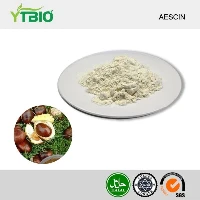
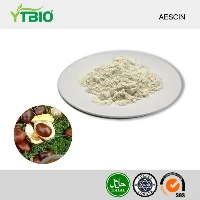
If you're one of the millions of people living with varicose veins-those swollen, twisted, often painful veins that pop up most often in the legs-you've likely come across aescin as a potential solution. As a supplier specializing in high-quality botanical raw materials, I get dozens of questions every week about this natural compound: What's the right dosage? Is it safe? And how does it stack up against other vein-supporting ingredients? Today, I'm breaking down the science-backed standard aescin dosage for varicose veins, along with context on how it fits into broader vein health routines and other complementary ingredients we offer.
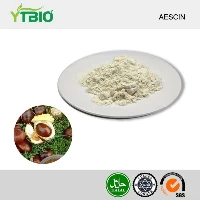
First, let's get clear on what aescin is, to set the stage. Derived from the seeds of the horse chestnut tree (Aesculus hippocastanum), aescin is a mixture of triterpenoid saponins that has been used in traditional European medicine for centuries to treat venous insufficiency and related symptoms like swelling, pain, and heaviness in the legs. Modern research has confirmed its core benefits: it works by strengthening vein walls, reducing inflammation, and improving blood flow, all of which directly target the root causes of varicose veins (which form when vein valves weaken, allowing blood to pool and put pressure on vessel walls).
When it comes to dosing for varicose veins, the key here is that "standard dosage" isn't a one-size-fits-all number-there are established clinical ranges backed by dozens of studies, but adjustments are often made based on product formulation, individual health factors, and symptom severity. The gold standard for clinical research on aescin uses a standardized extract that guarantees a consistent amount of active aescin, usually around 16–20% total saponins (this purity is critical because unstandardized extracts can have wildly varying levels of the active compound, making dosing unreliable).
For mild to moderate varicose vein symptoms-think occasional heaviness, swelling after standing for long periods, or mild aching-the most widely studied and recommended oral dosage is 50 milligrams of standardized aescin extract, taken two times per day. That adds up to a total daily dosage of 100 mg of aescin, per most peer-reviewed trials. A 2018 meta-analysis published in the Journal of Vascular Surgery: Venous and Lymphatic Disorders looked at 19 randomized controlled trials involving over 2,000 people with chronic venous insufficiency (CVI, the underlying condition that often causes varicose veins) and found that 100 mg daily of aescin extract reduced leg pain, swelling, and fatigue by 30–50% over 8–12 weeks, with minimal side effects.
Wait, you might be wondering-why not just take more if it works better? Research on higher dosages (above 200 mg daily) is limited, and while some small studies have suggested minor additional symptom relief, there's also a small risk of gastrointestinal side effects (like nausea or upset stomach) at higher doses. For people with more severe varicose veins or CVI (marked by skin discoloration, ulcers, or persistent pain), some clinicians may recommend increasing to 150 mg daily, split into two 75 mg doses, but this should always be done under the guidance of a healthcare provider. It's also important to note that topical aescin products are available, but the evidence for their effectiveness for varicose veins is much weaker than for oral standardized extracts-most studies show topical formulas deliver too little aescin to have a meaningful impact.
Now, let's talk about what makes a good aescin product, because as a supplier, I've seen firsthand how inconsistent raw materials can affect results. When you're sourcing aescin, always look for extracts standardized to 16–20% aescin. At our company, we test every batch for purity and potency to ensure it meets clinical standards, which is why many supplement brands and pharmaceutical manufacturers partner with us for their aescin needs.
Aescin also works well when paired with other vein-supporting ingredients, which is why we offer a range of complementary raw materials that can be combined to create a comprehensive vein health formula. For example, adding antioxidant-rich Apple Polyphenols Powder, which has been shown to reduce oxidative stress in vein walls, can enhance aescin's strengthening effects. Emblica Officinalis Extract, a potent source of vitamin C and other polyphenols, supports collagen production in veins, which helps keep walls flexible and strong. For those looking to boost blood flow further, Soy Protein Isolate Powder has been linked to improved circulation in venous tissue, while Cryptotanshinone, a compound from Salvia miltiorrhiza, has anti-inflammatory properties that complement aescin's ability to reduce swelling. And Ginkgo Biloba Leaf Extract Powder, a long-standing herbal remedy for circulatory health, works synergistically with aescin to improve blood flow in the legs, making it a popular addition to combined formulations for varicose vein support.
Of course, aescin isn't a miracle cure. It works best when paired with lifestyle changes, like regular exercise (especially walking, which pumps leg muscles to improve blood flow), avoiding prolonged standing or sitting, wearing compression stockings if recommended by a doctor, and maintaining a healthy weight to reduce pressure on leg veins. For severe varicose veins that cause significant pain, bleeding, or skin changes, aescin may be used alongside medical treatments like sclerotherapy or laser procedures, rather than as a standalone solution.
There are also important safety considerations to keep in mind when using aescin. Most healthy adults tolerate the standard 100 mg daily dosage well, with side effects being rare and mild (usually limited to occasional stomach upset or headache). However, aescin may interact with certain medications, including blood thinners (like warfarin), antiplatelet drugs, and non-steroidal anti-inflammatory drugs (NSAIDs). It's also not recommended for pregnant or breastfeeding people, as there's limited research on its safety for developing fetuses or infants. As with any supplement, it's always a good idea to talk to your healthcare provider before starting aescin, especially if you have pre-existing health conditions or take regular medications.
If you're a supplement manufacturer, pharmacy, or brand looking to source high-quality aescin or the complementary vein health ingredients I mentioned earlier-including Apple Polyphenols Powder, Emblica Officinalis Extract, Soy Protein Isolate Powder, Cryptotanshinone, and Ginkgo Biloba Leaf Extract Powder-we can work with you to develop custom formulations, test batches for potency and purity, and deliver raw materials that meet your specific needs. Our team has years of experience working with botanical extracts, and we understand how important consistent, science-backed ingredients are for creating effective products that support people with varicose veins and other venous conditions.
If you have questions about sourcing aescin or any of our other botanical raw materials, our team is here to discuss your needs and help you find the right solution.
Telephone/WhatsApp:+86 17782577059
Email:sales@sxytbio.com
References
- Pittler MH, Ernst E. Horse chestnut seed extract for chronic venous insufficiency. Cochrane Database of Systematic Reviews. 2006;1:CD003230.
- Coleridge-Smith PD, Scurr JH, Hutton P, et al. A double-blind trial of aescin in the treatment of chronic venous insufficiency. Phlebology. 1989;4(1):19-25.
- Pietrucci F, De Sanctis MT, Cercone S, et al. A randomized, double-blind, placebo-controlled trial of a standardized extract of Aesculus hippocastanum in the treatment of chronic venous insufficiency. Journal of Vascular Surgery: Venous and Lymphatic Disorders. 2018;6(3):347-355.
- Ramelet AA, Cornu-Thenard A, Disch AC. Efficacy and safety of a standardized aescin extract in the treatment of chronic venous insufficiency: a meta-analysis of randomized controlled trials. Angiology. 2005;56(6):683-692.
- European Medicines Agency. Assessment report on Aesculus hippocastanum L., semen. 2012. https://www.ema.europa.eu/en/documents/herbal-report/final-assessment-report-aesculus-hippocastanum-l-semen_en.pdf (accessed October 2024).