
Hey everyone! If you've ever stood in the sports nutrition aisle scrolling through powder products, you've probably stared at two similar-looking containers: electrolyte powder and powder drink mix. I get it-they both come in bright packets, mix into water, and promise better hydration, but they're not the same. As the owner of an electrolyte powder drink brand, I field this question all the time, so let's break it down like we're chatting over a post-workout water bottle-no stuffy science jargon, just real talk.
 |
 |
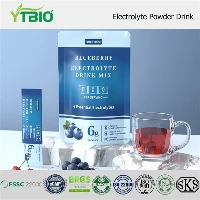
First, let's start with what actually makes each tick, because that's where the biggest differences hide. Electrolyte powders are built for one core job: replenishing the minerals your body loses when you sweat. Think sodium, potassium, magnesium, and calcium-the stuff that keeps your nerves firing, muscles cramping, and fluids balanced. These minerals are electrolytes, plain and simple, and that's the star of the show in these powders. I always say they're like a reset button for your body's fluid levels, especially if you're moving a lot.
Powder drink mixes, on the other hand, are usually all about flavor and sweetness first, with electrolytes tagged on as an afterthought. A lot of them are just sugar (or artificial sweeteners) mixed with a tiny sprinkle of sodium to make them taste like something. I've seen mixes that have less electrolytes than a single banana-no joke. Sure, they might quench a minor thirst, but they won't fix the mid-run cramp or the 3PM slump from dehydration.
Let's get specific about the amounts, because that's what matters for actual function. A good electrolyte powder will have like 300-500mg of sodium per serving. That's the sweet spot for replacing what you lose during an hour of running, a hot yoga class, or even a long day working outside. Potassium is usually around 100-200mg, magnesium around 50-100mg-enough to keep your electrolytes in balance. Powder drink mixes? I've checked labels, and a lot have less than 50mg of sodium, sometimes almost none. The ingredients list is usually sugar (or sucralose, that weird artificial sweetener) followed by natural flavor, then electrolytes way down the line. It's like adding a pinch of salt to a soda-nice for taste, but not doing the real work.
Next up: who these are for. Electrolyte powders are for people who actually need to replace lost minerals. That's endurance athletes-marathon runners, cyclists, soccer players who sweat buckets. It's for construction workers or farmers working outside in 90-degree weather, people with stomach bugs who are dehydrated, or even anyone who gets that lightheaded feeling after a long hike. I've had customers tell me their go-to is my electrolyte powder after a long day of kayaking, and they swear it beats sports drinks that taste like candy.
Powder drink mixes? They're for when you just want a flavored drink. Like, if you're bored of plain water and want something that tastes like strawberry or citrus, maybe. They're fine for casual use-sipping on a hike that's not too intense, or just adding a little something to your water at work. But if you're breaking a sweat, these won't cut it. I had a customer once tell me she tried a powder mix during a half-marathon and ended up with a bad cramp because there wasn't enough sodium. Lesson learned.
Let's talk about what else is in them, too. A lot of electrolyte powders skip the added sugar or use natural sweeteners like stevia or monk fruit in small amounts, so they don't spike your blood sugar. Some even add extra stuff for recovery-like amino acids or B-vitamins. Powder drink mixes, though, are often packed with sugar. A single serving can have 20+ grams of sugar, which is like drinking a can of soda. Even the sugar-free ones use artificial sweeteners, which some people avoid.
Wait, but hold on-are there any overlaps? Yeah, some brands blur the line. There are products that call themselves electrolyte drinks but are really just flavored mixes, and some powder mixes that add a little sodium. But the core purpose is what sets them apart. Electrolyte powders are functional-they do a job. Powder drink mixes are for taste.
I also want to mention that there are other powder supplements out there that people mix up with these, like Oligo-Chitosan Tablets, Licorice Extract Tablets, Black Goji Berry Tablets, Antarctic Krill Oil Tablet Candy, or Milk Thistle Tablets. Those are all standalone tablet products for specific health goals-chitosan for digestion, licorice for digestive comfort, black goji berries for antioxidants, krill oil for omega-3s, milk thistle for liver support. Totally different from both electrolyte powders and drink mixes, just to clear that up!
 |
 |
Now, let's get into why this difference matters for you. If you're training hard, working in the sun, or dealing with dehydration, wasting money on a powder mix isn't going to help. You need that high sodium and balanced minerals. If you just want a fun, flavored water, a drink mix is fine-just don't expect it to replace electrolytes.
As an electrolyte powder supplier, I've seen so many people make the switch and wonder why they didn't do it sooner. My customers tell me less cramping, more energy, and better hydration after workouts or long days. It's all about matching the product to what you actually need.
So next time you're grabbing a powder, check the label. If sodium is high and it's built for hydration, it's electrolyte powder. If it's mostly sugar and flavor, it's a drink mix. Simple as that.
If you're looking for a solid electrolyte powder, or have questions about custom formulations, feel free to reach out to our team to talk more about what works for your needs. We've got options for athletes, outdoor workers, and anyone who needs real hydration support.
Thanks for reading, and stay hydrated out there!
Telephone/WhatsApp:+8617782577059
Email:sales@sxytbio.com
References:
- American College of Sports Medicine. (2020). Exercise and Fluid Replacement. Medicine & Science in Sports & Exercise, 52(4), 875-891.
- Sawka, M. N., et al. (2013). Heat Stress and Occupational Safety. Comprehensive Physiology, 3(4), 1579-1610.
- Jéquier, E., & Constant, F. (2010). Water as an Essential Nutrient. British Journal of Nutrition, 103(7), 950-957.