The source of astaxanthin
Astaxanthin, lobster shell pigment, is a carotenoid, is also the highest level of carotenoid synthesis product, a deep pink, chemical structure similar to beta-carotene. Beta-carotene, lutein, keraxanthin, lycopene, etc. are all intermediate products of carotenoid synthesis, so in nature, astaxanthin has the strongest antioxidant properties. It is widely found in the biological world, especially in the feathers of shrimp, crabs, fish, algae, yeast and birds, and is one of the main carotenoids in Marine organisms.
At present, the production of astaxanthin (also known as super vitamin E) is mainly synthetic and obtained from biology in two ways.
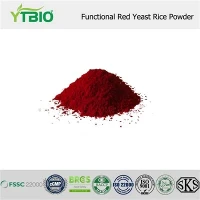
There are three main sources of natural astaxanthin: waste from the processing industry of aquatic products (crustaceans such as shrimp and crabs), Rhodiomyces rubra and microalgae (rhodiosphaera pluvialis). Seafood waste extraction, that is, from the waste of seafood processing industry, all kinds of seafood processing waste extraction. Extracted from yeast, the red-haired yeast in yeast is red because the bacteria produce astaxanthin and other carotenoids, which are evenly distributed in the cellular lipids. The average content of astaxanthin in natural yeast is 0.40%, so the yeast has attracted much attention because of its high yield of astaxanthin. Algae extraction, natural astaxanthin is mainly from Rhodococcus pluvialis. The content of astaxanthin in C. pluvialis is 1.5% to 3.0%, which is regarded as the "concentrated product" of natural astaxanthin.

Synthetic astaxanthin is not only expensive, but also significantly different from natural astaxanthin in structure, physiological function, application effect and safety. Synthetic astaxanthin can be chemically prepared from carotene. This is the most important source of astaxanthin in fish feed. In terms of structure, natural astaxanthin is mainly 3S, 3'S (left-handed) conformation, while synthetic astaxanthin is a mixture of 3 configurations, and 3R, 3'S (racemic) is the main. In addition, synthetic astaxanthin cannot be converted into its natural form in animals. In terms of physiological function, the stability and antioxidant activity of natural astaxanthin were significantly higher than that of synthetic astaxanthin. In terms of application effect, the biological absorption effect and coloration of natural astaxanthin are better than that of synthetic astaxanthin.
The effect of astaxanthin
1. Antioxidant
The important properties of astaxanthin are its antioxidant properties, and it is an excellent antioxidant. The powerful antioxidant activity of astaxanthin is due to its ability to stabilize membrane structure, reduce membrane permeability, and restrict the entry of peroxide promoters into cells. Protects important molecules in cells from oxidative damage. At the same time, astaxanthin may have the potential to become a pro-oxidant to induce oxidative stress. The conjugated double bond, hydroxyl group and unsaturated ketone group at the end of the conjugated double bond chain of astaxanthin molecules, in which hydroxyl group and ketone group constitute α-hydroxyl ketone, these structures have relatively active electronic effects, can provide electrons to free radicals or attract unpaired electrons of free radicals, and effectively quench highly oxidizing singlet reactive oxygen species and other free radicals in the environment. Studies have shown that the ability to quench reactive oxygen species increases with the number of conjugated double bonds, and astaxanthin has the strongest ability to quench molecular oxygen, which is higher than that of β-carotene, vitamin E, alpha-carotene, lutein and lycopene with the same structure. Astaxanthin integrated into the membrane system inhibits lipid peroxidation through its protective effect on liposomes, and can also protect cells and DNA from oxidation reactions, protect proteins in cells, enable cells to effectively metabolize, and enable proteins in cells to better function. This antioxidant effect is manifested in extending the time during which low-density lipoprotein (LDL) is oxidized, thereby reducing the occurrence of atherosclerosis.
2. Can effectively anti-wrinkle whitening
The skin's own repair mechanism is able to rebuild damaged collagen. However, if the destructive activities of reactive oxygen species (ROS) and matrix metalloproteinases (NMP) are not effectively controlled, they will continue to damage these collagen proteins, which seriously hinders the skin's own repair process. Astaxanthin can significantly reduce the damage of ROS and NMP on dermal collagen and elastin, and ensure normal skin metabolism. If external astaxanthin combined with internal astaxanthin, while supplementing some collagen-rich food, wrinkles will be repaired quickly.
Let's be honest: elastin and collagen alone can't bounce your crow's feet away. These are just the ingredients, powered by the powerful antioxidant astaxanthin.
3. Protect against ultraviolet radiation
It is well known that UV radiation is an important cause of skin photoaging and skin cancer. Studies have shown that astaxanthin has A special effect on glutamine transaminase, which can consume putrescine when the skin is exposed to light, and oral astaxanthin has a stronger inhibitory effect on putrescine accumulation than oral vitamin A. Therefore, the strong antioxidant properties of astaxanthin may make it a potential photoprotective agent to effectively remove free radicals that cause skin aging, protect cell membranes and mitochondrial membranes from oxidative damage, and be used to prevent skin photoaging.
4. Enhance immunity and relieve exercise fatigue
Astaxanthin can significantly affect the immune function of animals. In the presence of antigen, astaxanthin can significantly promote the ability of spleen cells to produce antibodies, enhance the role of T cells, and stimulate the production of immunoglobulin in vivo. Astaxanthin can also partially restore the humoral immune system of old mice, which can increase the IgM, IgA and IgG in mice to 10mol/L, respectively, indicating that it can enhance the specific humoral immune response in the early stage of antigen invasion. In addition, astaxanthin also enhanced the mice's ability to release interleukin-I-α and tumor necrosis factor α, which were much stronger than beta-carotene and kerataxanthin. It is concluded that astaxanthin has strong activity in inducing cell division and plays an important role in immune regulation.
5. Enhance body energy metabolism
When the body exercises muscles release free radicals, these free radicals if not treated by antioxidants in time, can cause oxidative stress, resulting in muscle soreness or muscle tissue damage. Studies have shown that astaxanthin can act as an antioxidant to inhibit the oxidative damage of free radicals on the body. In addition, oral astaxanthin can also strengthen aerobic metabolism, increase muscle strength and muscle tolerance, quickly relieve exercise fatigue, and reduce delayed muscle pain after strenuous exercise. The main performance is: 4mg/ day, after 6 months can increase physical strength by 40%. 4mg/ day after 2 weeks can extend the duration of sustained exercise by 20%, and reduce the lactic acid buildup after exercise by 2.6%.
6. Coloring effect
Carotenoids are the main pigment substances in aquatic animals, and astaxanthin accounts for most of the carotenoids in aquatic animals, so it can be said that astaxanthin is the main pigment substances in aquatic animals. Astaxanthin is the end of carotenoid synthesis, it can enter the animal body without modification or biochemical transformation and directly stored in the tissue, with a strong pigmentation ability, so that some aquatic animals skin and muscles appear healthy and bright color, so that eggs and poultry feathers, skin, feet, neck are healthy golden or red. The experiment showed that adding astaxanthin to the diet not only made the epidermis of fish turn yellow, but also increased the content of astaxanthin in the muscle.
Application of astaxanthin
1. Food health food
Astaxanthin has been used as a food additive for food coloring, preservation and nutrition. Astaxanthin is fat-soluble, with gorgeous red color and strong antioxidant properties. It has both coloring effect and fresh-keeping effect for food, especially for food containing more fat. In Japan, the red oil containing astaxanthin has been patented for the pickling of vegetables, seaweed and fruits, and has also been patented for the coloring of beverages, noodles and spices.
2. Medicine
The antioxidant and immune-promoting effects of astaxanthin can be used as drugs to prevent oxidative tissue damage. Studies have shown that astaxanthin can protect the nervous system, especially the brain and spine, through the blood-brain barrier, and can effectively treat ischemic reperfusion injury, spinal cord injury, Parkinson's syndrome, Alzheimer's syndrome and other central nervous system injuries.
3. Feed industry
Astaxanthin's largest market is in the feed industry, where it can be used primarily as a feed additive for fish (salmon, sturgeon, rainbow trout, snapper, etc.) and crustaceans such as shrimp and crabs and poultry.
Step 4: Cosmetics
Astaxanthin, as a new cosmetic material, is widely used in cream, emulsion, lip balm, skin care products and other cosmetics with its excellent properties. Especially in the field of advanced cosmetics, natural astaxanthin, with its unique molecular structure, can effectively quenching the free radicals caused by ultraviolet light through its antioxidant effect, prevent skin photoaging, reduce UVA and UVB damage to the skin, prevent skin cancer, delay cell aging, reduce skin wrinkles, reduce melanin deposition, reduce freckles, and maintain moisture. Gives skin more elasticity, tension and moisture. Japan has made use of astaxanthin anti-photosensitive effect of the production of cosmetics patents.
If you would like to learn more, please contact sales@sxytbio.com,Click here to contact us online