


YTBIO is capsule supplement manufacturer,provides OEM & ODM services. We provide a variety of dosage forms and various types of packaging including mixed powders, soft capsules, hard capsules, tablets, solid beverages, etc. to meet the different needs of customers. We always adhere to the principle of quality first for all our products.
We support all kinds of customization, including ingredients, packaging, labels and other designs to ensure that we meet the different needs of our customers.
YTBIO: Your Professional Capsule OEM/ODM Supplier!
Shaanxi Yuantai Biotechnology Co., Ltd. (YTBIO) is a professional manufacturer and supplier of health food raw materials, finished products and functional cosmetic raw materials. Our company was established in 2014. Our main products include herbal extracts, magnesium threonate and creatine monohydrate, etc., and provide OEM/ODM services for capsules, tablets and solid beverages. Currently, we have branches and transit warehouses in Europe (Netherlands, Rotterdam), the United States and other places to provide more convenient services to local customers.
Multiple Partners
Our company has many partners in Europe, America, and Southeast Asian countries, and cooperates with brands of various sizes, including Sponge Spicule, Retinal, Glutathione, Arbutin, etc.
Well Equipped
We have established advanced production facilities of over 4,000 square meters and a complete in-house laboratory, which can provide specially designed formulas and arrange flexible production plans.
Quality Assurance
Our products are produced strictly in accordance with the highest quality requirements and have obtained HACCP, ISO9001, ISO22000, HALAL, KOSHER, FDA, EU&NOP certification and NMPA registration certificates for various cosmetic ingredients.
Customized Services
We can provide customized services at every stage from product formulation to product packaging, including the production, purification, packaging and other aspects of the product's raw materials, and provide OEM/ODM orders.
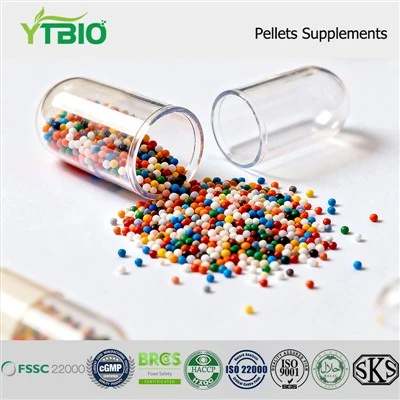
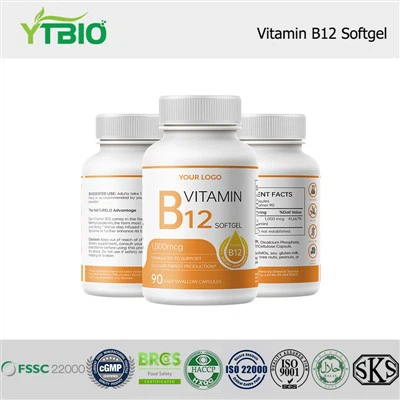


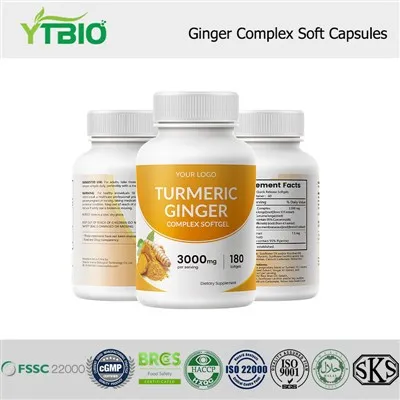
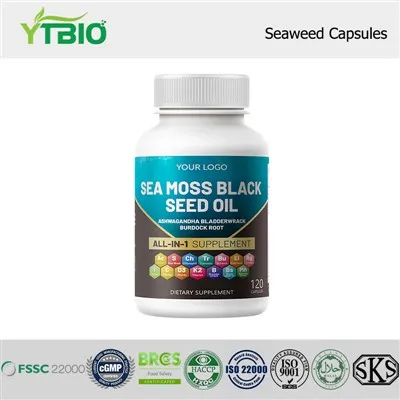
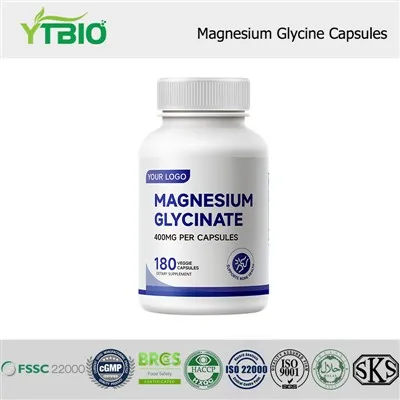
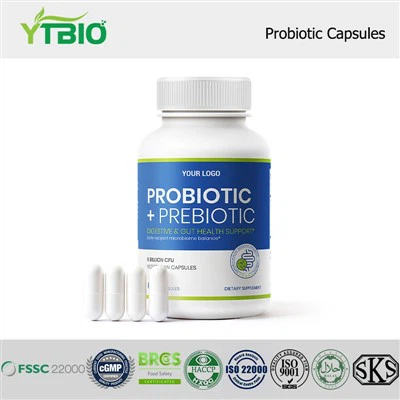
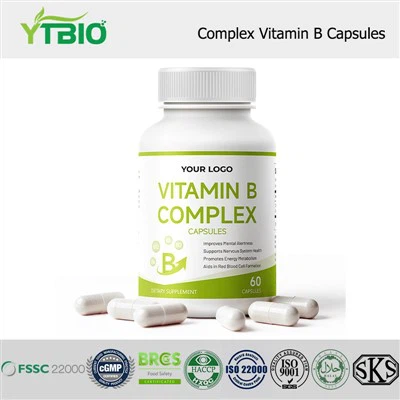
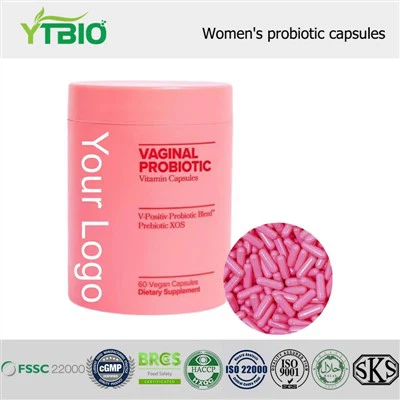


It's used to enclose medicines—in a relatively stable shell known as a capsule. The two main types of capsules are hard-shelled capsules and soft-shelled capsules. Both of these classes of capsules are made from aqueous solutions of gelling agents, such as animal protein (mainly gelatin) or plant polysaccharides or their derivatives (such as carrageenans and modified forms of starch and cellulose). Other ingredients can be added to the gelling agent solution including plasticizers such as glycerin or sorbitol to decrease the capsule's hardness, coloring agents, preservatives, disintegrants, lubricants and surface treatment.

Flexible Structure
Our capsules can be made into a single-layer structure for faster dissolution, or a multi-layer structure that adds sustained release/release/adsorption of ingredients, light-blocking properties, and air-tightness to the capsule shell.
Exact Dimensions
The capsules have very high dimensional accuracy, with size and weight unevenness of less than 10%, and support adjustment from 0.5 mm to 8.0 mm in diameter.
Multi Materials
They are available in a variety of shell materials including natural polymers (gelatin, agar, etc.) and synthetic resins (acrylic, polyurethane, etc.) that increase the permeability of the shell.
Customizable
We can produce capsules for food supplements for our clients as per their specifications and requirements. Customers can choose ingredients, dosage, packaging and labeling.
Application of Capsule OEM/ODM
It helps fill its shell with materials that contain API (active pharmaceutical ingredient). This has listed the major applications of capsule.
Filling Powders
Capsules with powder is the most common type of solid dosage form. It is the fine, dry particles produced by grinding, pounding or crushing solid substances. Generally, filling powders is the most common application of capsule. It can be achieved by manual encapsulators - though the manual type is not as efficient and accurate as the automatic capsule filler.
Filling Tablets
Compared with other fill materials, tablets tend to be larger in size. A capsule can only contain one or several tablets. And the number of tablets is determined by the size of the capsule. Filling tablets is not commonly seen. But in some clinical trials, if some tablets are an irritant to the stomach, then they are likely to be ejected into capsules. To fill tablets into capsules, you want to source a reliable automatic capsule filler with special dosing systems.
Filling Granules
Like powders, granules are also the most commonly used solid dosage form in the pharmaceutical industry. They are typically larger particles created by gathering together powder particles. The process of creating granules by aggregating powder particles is known as granulation. To prevent segregation in drug production, granules are often used to ensure content uniformity.
Typically, granules are mainly used for high-dose, low-potent drugs. And the coating on the granules is gastric resistant and should not be damaged in the packaging process.
Filling Pellets
Pellets are small, free-flowing, spherical-shaped units made from a group of fine powders or granules of drugs through pelletization. In recent years, pellets are very popular across the industry. With the aid of coating, they can be used for site-specific drug delivery. Besides, pellets are so versatile that they can be combined with other incompatible ingredients.
Despite a good drug administration method, filling pellets is slower than filling powders. Today, many capsule filling machines can fill either powders or pellets. But when filling pellets, you should adjust the dosing system, so that automatic capsule fillers can suit the pellet filling well.
Filling Liquids
Filling liquids into the capsules consists of two steps: liquid filling and capsule sealing. For capsule sealing, two ways, either sealing or banding, are available for the process. When sealing the capsules, the sealing solution is applied through a fine spray onto the joints of the caps and bodies. When banding the capsules, the banding solution is applied through a rotating wheel.
Filling Combinations
Sometimes, a combination of products, such as liquids and semi-solid substances, needs to be filled into capsules. Apart from the versatility of your capsule fillers, another thing you need to note is the formulation of your capsules. They should meet certain criteria, so that the final product can conform to cGMP.
Capsule Pros
●Fast Acting. Capsules tend to break down more quickly than tablets. They may offer faster relief from symptoms than tablets.
●Tasteless. Capsules are less likely to have an unpleasant taste or odor.
●Tamper-Resistant. They’re often made so that it’s not as easy to split them in half or crush like tablets. As a result, capsules may be more likely to be taken as intended.
●Higher Drug Absorption. Capsules have higher bioavailability, which means that more of the drug is likely to enter your bloodstream. This could make capsule formats slightly more effective than tablets.
Capsule Cons
●Less Durable. Capsules tend to be less stable than tablets. They may react to environmental conditions, particularly humidity.
●Shorter Shelf Life. Capsules expire more quickly than tablets.
●More expensive. Capsules that contain liquids are generally more expensive to manufacture than tablets and may cost more as a result.
●May Contain Animal Products. Many capsules contain gelatin sourced from pigs, cows, or fish. This may make them unsuitable for vegetarians and vegans.
●Lower Doses. Capsules cannot accommodate as much medication as tablets. You might need to take more to get the same dose as you would in a tablet.

There are essentially two forms of capsule used for pharmaceutical and nutraceutical products – hard capsules and soft capsules. Traditional capsules are made from gelatin, which is a widely produced animal-based product. More recently HPMC and Pullulan have become a successful alternatives and are available commercially for both pharmaceutical and nutraceutical products.
Hard Capsules
Hard capsules are normally employed for dry solid active ingredients. The capsules are manufactured in two halves – a body and cap – to assist with filling. Gelatin has been the material of choice for capsules because of the ability of a solution to gel and form a solid at a temperature just above room temperature. Traditional gelatin capsules are therefore formed by dipping finger-shaped pin forms at room temperature into hot gelatin solution and then extracting them and allowing the resulting surface film of gelatin to dry out on the pins through a series of controlled air drying kilns. Once the film dries out, the capsules are stripped from the pins by bronze jaws and trimmed to length by stationary knives while the capsules are being spun in chucks or collets. After being trimmed to the exact length, the cap and body sections are ejected from the machine. Manufacturers supply the unlocked body and cap of each capsule ready to be filled with the appropriate drug or nutraceutical ingredients.
More than one type of drug can be encased in a pharmaceutical capsule. Indeed it is quite common for the drugs to be in different forms, e.g., one as a tablet and one as a smaller capsule or powder. Both drug types can be encased in a larger capsule.
The types of materials that can be loaded into empty capsules include:
● Dry solids – Powders, granules, pellets or small tablets
● Semi-solids – Suspensions or pastes
● Liquids – Non aqueous liquids such as alcohols or oils
Soft Gelatin Capsule
Soft gelatin capsules, also called soft gels, are thicker than hard gelatin capsules, and require special manufacturing equipment, either a rotary capsule machine or a dosator machine that uses the principle of drop formation to create the capsules. A rotary capsule machine can continuously manufacture the capsules and insert the fill. Typical production rates are between 25000 and 30000 capsules per hour.
The gelatin in soft capsules usually contains 20-30% by weight of a plasticizer such as glycerine, sorbitol or ethylene glycol. The amount and choice of the plasticizer contribute to the hardness of the final product and may even affect its dissolution or disintegration characteristics, as well as its physical and chemical stability. The composition of the plasticizer is chosen to minimise any interaction or migration between the fill and the soft gel shell. A preservative, such as beta-naphthol, may be added to inhibit bacterial growth on the gelatin. Colouring agents and opacifiers may also be added as well as sweetening agents. The thickness of the gelatin depends on the material to be encased within the capsule and the temperature and humidity of the surroundings. Soft gels generally contain 30-40% water of the wet formulation, necessary to ensure proper processing during gel preparation and soft gel encapsulation. After the capsule is filled, the gelatin is progressively dried so that the final capsule may contain between 6% and 13% by weight of water.
Soft gel capsules are available in a variety of shapes and sizes e.g.,
● Cylindrical – 0.15 – 25 ml
● Ovoid – 0.05 – 7 ml
● Pear shaped – 0.3 – 5 ml
● Spherical - 0.05 – 5 ml
● Tubes – 0.3 – 5 ml
There are three types of fill materials that can be used with soft gel capsules:
● Neat substances, especially oils, e.g. cod liver oil
● Solutions – active materials dissolved in a carrier such as a oil (e.g., soybean), polyethylene glycol, or a solvent that does not degrade the gelatine shell (e.g., dimethyl isosorbined and diethylene glycol).
● Suspension or paste – material up to about 30% solids can be accommodated before viscosity and filling become a problem.
A small amount of water or alcohol (up to 10% by volume) may be added to the fill if needed to assist solubility of ingredient(s). Glycerin can also be added to retard any migration of plasticizer out of the gelatine shell into the fill. Up to 10% by weight of polyvinylpyrrolidone may also be added in combination with polyethylene glycol to improve stability of the fill.
Modified Release Capsule
Both hard or soft gel capsules can be chemically modified to alter the release of the active ingredient(s). If the drug is water-soluble and in a hard capsule and a fast release is desired, the excipients should be hydrophilic and neutral whereas for slow release of water soluble drugs the excipients will slow the release. Rapid release from capsules can also be obtained by piercing the outer film with small holes or incorporating a small quantity of citric acid and sodium bicarbonate to assist in opening the capsule by evolution of carbon dioxide.
A small concentration (up to 1%) of sodium lauryl sulfate may be added to the gel of a soft capsule to enhance penetration of water and speed dissolution. If slow release from a soft capsule is required, polymer or alginates may be added.
Enteric Capsule
Enteric capsules are another form of modified release capsule, and again they maybe in the hard or soft form. The encapsulating material is designed to resist the stomach acid until it reaches the intestinal fluid where at a higher pH it breaks down and releases the active ingredients. Coatings that have been employed for enteric capsules include cellulose acetate phthalate, and mixtures of waxes and fatty acids and/or their esters. These function by being insoluble in acid but soluble in alkali. Some modern coating materials have also been found to erode over time on exposure to gastrointestinal fluids, rather than as a function of pH by itself. Application of such coatings requires considerable skill and additional equipment, and should probably only be used for medications that are not be of a critical nature.
Step By Step Capsule Manufacturing Process
The capsule manufacturing process involves several steps, so let’s take a closer look at each step of the capsule manufacturing process.
Raw Material Melting & Coloration
(1)The first step in the process involves an acceptability test for raw materials. The materials that pass this test are then melted and coloured for easy identification.
(2)Raw materials, having passed the acceptance test in the testing phase, are sent to the production line.
(3)The feeder (hopper) raw material is weighed precisely, accurately, and placed in containers.
(4)The weighed material is transferred from the container to the melting unit.
(5)Purified water is added to the melting unit before the melting process begins.
(6)The melted raw material is then stirred to make a homogenous jelly-like substance called gelatin.
(7)If required, a colourant is added to capsules.
Blending
This concentrated gelatin solution is blended and dissolved in demineralised water heated to seventy degrees Celsius. The solution at this stage is very viscous and contains 30 to 40% gelatin.
A vacuum process is also used to reduce air bubbles in the solution, which would otherwise cause issues during the filling and preservation stages. Colourants and pigments can also be added at this stage to give the capsule's final look.
An additional consideration is the thickness of the gelatin solution. The solution's thickness can directly influence the subsequent production process, thus making it a crucial factor.
Molding and Trimming
(1)The capsule manufacturing machines receive coloured gelatin in the capsule processing chamber. The caps and bodies of the capsules are made. The gelatin solution must attain the desired viscosity before the dipping process.
(2)The capsule moulding pegs or pins are dipped into the gelatin mixture. This is accomplished by either gravity or a pumping device, and the pins must be completely immersed in the solution. The moulded pins are then transferred to the drying chamber.
(3)These pins are dried at a constant temperature and consistent humidity level in the drying chamber. After the curing process, the pins are sent to the following processing step.
(4)The dried caps and bodies of the capsules are now removed from the moulding pins and trimmed to the proper length before being pre-locked. The pin plate enters the stripping machine.
Here, the capsules are separated into two equal or nearly equal sizes. Shell trimming occurs after the stripping procedure is completed. The machine then automatically joins the two capsule halves. These capsule bodies are then transferred to the conveyor belt and, eventually, to the next step.
Printing & Packaging
(1)Printing company labels are significant for product identification.
(2)The required graphic is imprinted on the capsules using the company's ink and stamping equipment.
(3)An alternative printing method is a laser printing machine, which labels the product to the specific pharmaceutical.
(4)The printing stage includes all vital information, such as prescription recommendations, advertisements, and capsule branding.
Testing, Packaging & Shipping
(1)After the printing phase is completed, the quality testing phase begins. The end products must undergo stringent quality inspections to ensure that the capsules are of the best quality and possess a long shelf life.
(2)An automatic capsule inspection system detects faults in capsules. Advanced visual analysis and automated technologies make inspecting the product and achieving desired standards possible. The inspection system has various characteristics that make it appropriate for industrial use. The machine's functioning is simple and easy for personnel to learn and use. The machine can identify faults like inadequate filling, perforations, internal chips, splits, grooves, short bodies, multiple caps, curved caps, brittle produce, short and long caps, bubbles, black spots/heterochromatic spots, and many others.
(3)Many firms perform various other tests before packaging and shipping products. Factors like dimensions, appearance, moisture content, separation, and other factors are typically examined for capsules. Following are some tests that can be employed:
●Visual Appearance Evaluation
●Dimensional Evaluation
●Microbiological Examination
●Separation Examination
(4)Packaging is the final stage in capsule processing. Capsules are now packaged conventionally. Standard packaging is preferred because it makes the capsules more manageable. After confirming the quantity, capsules are moved to the next process.
(5)Packed capsules are kept in a temperature and humidity-controlled facility until shipping.
What’s the Customization Process for Capsule OEM/ODM Order?
(1)Product Request Discussion
If you wish to join the supplement industry, whether it is making private label supplement tablets, dietary supplements capsules, liquid supplements, large-scale company cross-industry development, product upgrade, etc., you can contact the supplement manufacturer with the several development processes of supplement manufacturing information:
A product designer with a professional background will assist in every new supplement ODM product. The meeting will focus on understanding your needs. If you don’t have any ideas yet, the product designer can share industry information and provide the most suitable product development advice for the private label supplement company based on market trends and consumer needs.
(2)Formula Design Manufacture
After the product proposal has been approved, we enter the supplement formulation manufacturing and design stage. Considering safety, science, and rationality, it is necessary to have experienced R&D professionals and to use supplement suppliers who can meet acceptable quality requirements.
Supplement formulation manufacturing is a science. The first requirement is safety. Even if the raw material is very popular, it will not be added as long as there is any doubt. Supplement formulation manufacture is not as simple as A+B+C. We must consider whether the raw materials will have cross-reactions and Maillard reactions. For example, phenols and proteins will produce precipitation. The poor water solubility of raw materials causes precipitation, powder formulations tend to absorb moisture and caking or discoloration. To avoid these problems, everything must be designed by professionals. In addition, we must pay attention to the scientific nature of supplement formulation manufacture. The correct estimation of the number of effective ingredients added is to ensure the effectiveness of the product during the validity period.
(3)Regulatory Review
Different regions have different supplement regulations and must strictly comply with the regulations of the production and sales areas. For example, whether the raw materials are edible, the number of additives, or extracted ingredients, etc., supplement manufacturers should be able to provide product identification, including raw material specifications, quality test reports, safety certificates, manufacturing processes, various certifications, patent information, allergen information, etc.
(4)Standardized Process
After the supplement samples are confirmed, the products enter the production process. In addition to quality certification, supplement manufacturer must standardize their production processes, confirm process parameters and ranges, and pass safety tests to ensure that each batch is a qualified product in order to produce reassuring, high-performance products.
(5)Stability Testing
This process is designed to ensure food safety and supplement product stability and the health benefits of the active ingredients during the validity period. In general, test items can be classified as physical, chemical, and biological. The test items selected should be based on the ingredients, product characteristics, quality requirements, and items that are susceptible to change during the storage period of the product and may have an impact on its quality, safety, or efficacy. If the health effects of the ingredients (or quality control indicators) of the product have been identified, this should be used as the test item.
Component efficacy stability testing:
●Create gradient standard samples
●Set different environmental conditions: imitate production conditions/severe conditions (increase temperature)
●Conduct stability testing
(6)After-sales Support
The only way to achieve a win-win situation is for consumers to benefit and supplement companies to profit. Supplement ODMs not only manufacture the products for the brands, but also give multiple added value services to accelerate product promotion through product planning, marketing, and professional lecturer support.
Certificate Photo


Factory Photos

Frequently Asked Questions of Capsule OEM/ODM
Q: What is capsule used for?
Q: What is the difference between a tablet and a capsule?
Q: Are capsules safe?
Q: What are the disadvantages of capsules?
Ingredients can interact with capsule shell.
Limited fill weight based on capsule volumes.
Variation in fill volume is known to occur.
Can be more costly.
Softgel contents restricted to a tight pH range.
Q: What are the benefits of a capsule?
Flexibility in formulation.
Enhanced bioavailability.
Easier swallowing and better taste masking.
Cost-effectiveness.
Wider range of manufacturing options.
Q: Do capsules have side effects?
Q: Do capsules dissolve in your stomach?
Q: Can I open a capsule pill and take it?
Q: Are capsules made of plastic?
Q: What are the safest capsules?
Q: Does a pill still work if it dissolves in your mouth?
Q: What capsules dissolve in stomach?
Q: Is it OK to dissolve capsules in water?
Q: How many hours without food is considered an empty stomach?
Q: Can you take too many capsules at once?
Q: How quickly does capsules work?
Q: Why capsules are coated with plastic?
Q: Are all capsules made of gelatin?
Q: What is the difference between capsules and caplets?
Q: Why do capsules cost more than tablets?
Shaanxi Yuantai Biological Technology Co., Ltd. is one of the most professional capsule oem/odm manufacturers and suppliers in China, specialized in providing natural plant extracts with competitive price. We warmly welcome you to buy or wholesale bulk capsule oem/odm for sale here from our factory.
