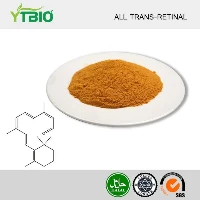
When B2B sourcing pros look for new ingredients to improve anti-aging products, Retinaldehyde always stands out as a top choice. This form of Vitamin A, which is also called all-trans-retinal, fills in the gaps in how well retinol and retinoic acid work. Retinaldehyde gives beauty companies a strong competitive edge because it has been shown to increase collagen production 1,000 times more efficiently than retinol while still being better tolerated by the skin. The ingredient's special aldehyde structure lets skin cells directly change it into retinoic acid, which has anti-aging effects that can be seen with little pain. This is very important for brands that want to appeal to people with sensitive skin or have a clean label.
Understanding Retinaldehyde and Its Role in Skin Care
Retinaldehyde is a big step forward in Vitamin A technology for cosmetics. Standard retinol needs two steps of enzyme conversion before it can become active retinoic acid. This intermediate molecule, on the other hand, only needs one step of enzyme conversion. This molecular efficiency means that end users can get results faster and with more accuracy.
Chemical Structure and Biological Activity
The chemical has the CAS number 116-31-4 and is an oxidized form of retinol that is made when β-carotene is cut by oxygen. The fact that this element can be converted in both directions makes it very useful. Retinaldehyde changes into retinoic acid when skin cells need active Vitamin A. It can change back to retinol when cellular demand drops, which is something that retinoic acid can't do. Clinical study from the University Hospital of Geneva showed that applying it topically improves epidermal thickness in a way similar to retinoic acid. However, concentrations of 0.05% to 0.1% are well tolerated by all skin types.
Mechanism of Action in Anti-Aging
Keratinocytes in human skin break down Retinaldehyde through highly specialized epidermal cells, which has a controlled-release effect. Several important benefits come from this mechanism:
- The ingredient works directly with protein receptors inside cells to speed up skin growth and make the stratum corneum thicker. This process makes the skin's structure look stronger and more organized.
- At the same time, it increases the production of collagen in the dermis and stops the rise in matrix metalloproteinase (MMP), an enzyme that normally breaks down collagen fibers, caused by UV light.
Studies show that Retinaldehyde changes into retinoic acid eleven times faster than retinol. This is why it worked better in clinical studies. The special aldehyde structure is also antibacterial against Propionibacterium acnes, which makes it useful for acne-prone skin formulations in addition to anti-aging uses.
Advantages for Sensitive Skin Formulations
More and more product designers are realizing that Retinaldehyde is good for people with sensitive skin. Redness, itching, and soreness are common side effects of traditional retinoic acid that make people less likely to use it. The 1994 study in Geneva found that 70% of the volunteers could handle doses as high as 1%. This is a much higher clearance rate for retinoic acid than what is usually seen. This better tolerance comes from transdermal transfer being slower than with retinoic acid. This lets skin cells adjust more slowly. Formulators can safely add this ingredient to products for people who stopped using retinoids because they were too painful, which will create huge market possibilities in the sensitive skin section.
Comparative Analysis: Retinaldehyde vs Other Retinoids and Ingredients
Knowing how Retinaldehyde stacks up against other ingredients helps purchasing teams make smart choices that are in line with product goals and target audiences.
Retinaldehyde vs Retinol
Even though Retinaldehyde has some benefits, retinol is still the most common vitamin used in over-the-counter makeup. To change from retinol to biologically active retinoic acid, it takes two steps of oxidation, but Retinaldehyde only needs one. Because of this performance gap, Retinaldehyde works faster and gives more noticeable effects. Clinical tests have shown that the 11-fold faster conversion rate and 1,000-fold greater collagen stimulation make it possible to differentiate products in appealing ways. These better performance measures can help brands place their high-end anti-aging lines. Tolerance profiles also like Retinaldehyde because it is converted in a controlled way, which lowers the irritation spikes that happen with high-concentration retinol products.
Retinaldehyde vs Tretinoin and Retinoic Acid
Tretinoin (retinoic acid) is the gold standard for how well skin care products work, but many beauty markets are limited by rules. As a chemical that can only be found with a prescription in many places, it makes products harder to get. Retinaldehyde is a good option because it has the same molecular effects without the need for a prescription. The ingredient has similar effects on thickening the epidermis and making collagen, but it is much better tolerated by consumers. The legal flexibility helps procurement pros make goods for the North American and European markets without having to deal with the complicated compliance issues that come with retinoic acid formulations.
Comparison with Niacinamide and Bakuchiol
People who want a softer option to retinoids are interested in new ingredients like niacinamide and bakuchiol. Niacinamide is great at repairing barriers and lowering inflammation, which makes it a great addition to other ingredients rather than a straight alternative. Combining Retinaldehyde and niacinamide in the right amounts has been shown in clinical studies to improve their general anti-aging effects while reducing the risk of soreness. Bakuchiol is sold as a natural alternative to retinol. Early tests show that it might work, but it doesn't have as much clinical backing as Retinaldehyde. Formulators looking for ingredients with strong safety ratings and proven effectiveness should focus on Retinaldehyde. To improve the user experience, they could add additional actives like niacinamide.
Practical Guide to Using Retinaldehyde in Cosmetic Product Development
To make a formulation work, you need to pay attention to focus, steadiness, and making the user experience better. This part tells product makers what they can do to use this powerful active ingredient in a variety of makeup lines.
Recommended Concentration Ranges
Clinical studies demonstrate optimal retinaldehyde concentrations between 0.05% and 0.15% balancing efficacy and safety. The 0.05% level provides basic anti-aging benefits for retinoid-naïve or sensitive skin. The 0.1% concentration offers enhanced collagen stimulation and accelerated cell turnover for established anti-aging regimens. Advanced formulations targeting photoaging, hyperpigmentation, and deep wrinkles may use up to 0.15%. Brands exceeding 0.1% should conduct stability testing and consumer tolerance studies to ensure product safety and customer satisfaction.
Formulation Stability Considerations
Retinaldehyde requires careful handling to maintain stability throughout product shelf life. Light, oxygen, and heat sensitivity demand robust formulation techniques. Adding antioxidants like Vitamin E and using airless packaging significantly extends shelf life. Cold chain transport is essential during delivery, particularly in regions with temperature variations. Suppliers offering 98% purity verified by HPLC and HNMR provide the quality assurance luxury products require. Procurement teams should ensure providers follow proper cold chain operations with 1-3 day delivery capability.
Minimizing Irritation Through Strategic Combinations
Strategic formulation choices enhance tolerability despite retinaldehyde's favorable profile compared to other retinoids. Combining with moisturizing ingredients like hyaluronic acid, ceramides, and squalane helps maintain skin barrier function during the adjustment period. Avoiding concurrent Vitamin C, AHAs, or BHAs in the same formulation prevents sensitivity spikes. Product manufacturers should advise nighttime-only retinaldehyde use, allowing skin recovery before daytime environmental exposure. Daily SPF application is mandatory to protect newly formed skin cells from UV damage and prevent photosensitivity reactions.
Procurement Insights: Sourcing and Evaluating Retinaldehyde Ingredients
To get reliable, high-quality Vitamin A derivatives for mass production, B2B buying experts need detailed criteria for evaluating suppliers.
Sourcing Landscape and Choosing a Supplier
Synthetic Retinaldehyde offers superior purity and batch uniformity for consistent formulation performance. Natural sources appeal to clean-label brands but may introduce variation requiring strict quality control. Reliable suppliers maintain certifications including ISO9001, ISO22000, Kosher, and Halal, demonstrating commitment to quality systems. Shaanxi Yuantai Biological Technology Co., Ltd (YTBlO), founded in 2014, exemplifies such a supplier with comprehensive certifications and ready inventory for rapid order fulfillment.
Quality Control Parameters
A good way to evaluate a provider goes beyond looking at certifications and includes using specific quality measures. The purity requirements should be at least 98%, which can be proven by HPLC and HNMR tests. By asking for Certificates of Analysis (CoA) for sample amounts, you can see that the purity, moisture content, and levels of contaminants are all the same. Stability data that shows how well an ingredient stays intact under different storage situations helps predict how long a finished product will last. When a high-stakes product launch is happening, suppliers who offer third-party testing results add extra proof and lower the risk. Professionals in procurement should make quality agreements that spell out the accepted ranges of errors for important factors. This will set clear standards for regularly evaluating the performance of suppliers.
Logistics and Regulatory Compliance
Supply chain dependability has a direct effect on how well costs are managed and how long production lasts. When suppliers put their stores in key places, shipping times and temperature exposure risks are cut down. YTBlO has branch offices and transit stores in Rotterdam and the US. This lets them ship to big markets quickly and easily with carriers like DHL, FedEx, TNT, EMS, and SF. This infrastructure helps with the shipping needs of the ice chain, which is important for keeping Retinaldehyde stable. Different places have different rules about how to follow the law. For example, European and North American countries have different ways of approving ingredients. Suppliers who know how to deal with NMPA registration, KFDA standards, and EU beauty rules can speed up the time it takes to get into a market. Multiple payment methods, such as T/T, VISA, XTransfer, and Alipay, make foreign transactions easier and remove financial hurdles to supplier relationships.
Future Trends and Opportunities with Retinaldehyde in Anti-Aging Cosmetics
New ideas keep changing how this powerful ingredient gets to customers, which is good for brands and sellers who are thinking ahead.
Advanced Delivery Systems
Encapsulation methods are the most advanced way to make Retinaldehyde. Liposomal delivery, nanoparticle carriers, and time-release methods make ingredients more stable while controlling how fast they are released to keep discomfort to a minimum. These technologies make it possible for higher amounts to work without lowering the tolerance of consumers, meeting their need for clear results. Microencapsulation also keeps the ingredient from breaking down due to oxygen, which extends the shelf life of the product and keeps the claims of effectiveness throughout the use time. When brands invest in advanced shipping platforms, they set their products apart in crowded markets and can charge higher prices while giving customers better results.
Multi-Active Combinations
More and more advanced formulas mix Retinaldehyde with other active ingredients that work together to fight multiple signs of age at the same time. Peptides and Vitamin A mechanisms work together to improve collagen production. Antioxidants, such as resveratrol and coenzyme Q10, protect the environment while the ingredient fixes damage that has already been done. Hyaluronic acid and beta-glucan are two hydrating ingredients that work against the drying effects that can happen when you use retinoids. These multi-active methods are in line with what consumers want: complete skin care solutions that cut down on the number of products they need to use every day. As brands make more complex Retinaldehyde products, procurement teams should plan ahead for the need for active ingredients that work well with each other.
Sustainability and the Allure of Clean Labels
More and more people, especially millennials and Gen Z, are becoming aware of where ingredients come from and how they affect the world. Brands that focus on eco-friendly packaging, open supply lines, and healthy production methods have an edge over their competitors. Clean-beauty customers like natural Retinaldehyde sources that come from botanical materials that are harvested carefully, but synthetic choices may better support environmental goals because they use fewer agricultural resources. These changing goals are in line with suppliers who show they are committed to green science, reducing waste, and fair labor practices. YTBlO's organic certifications, which include EU and NOP standards, make the company stand out when purchasing departments are looking for sellers who can help them meet their green goals.
Conclusion
Retinaldehyde is a cutting-edge anti-aging ingredient, providing B2B makeup makers with a potent tool for product branding. It works better than retinol because it changes into active retinoic acid eleven times faster and increases collagen production 1,000 times more effectively. This makes for strong marketing claims that are backed up by clinical proof. Better safety compared to regular retinoic acid opens up new markets, including people with sensitive skin who couldn't get the benefits of retinol before. When purchasing professionals look at providers, they should give more weight to partners that offer certified quality standards, proven stability during transport, and flexible operations. Using advanced delivery systems and complementary actives in strategic formulations helps make customers happier while meeting their growing standards for clean labels and sustainability, which is shaping the future of where makeup ingredients come from.
FAQ
1. Is retinaldehyde suitable for sensitive skin formulations?
70% of people who took part in clinical tests were able to handle amounts as high as 1%. When differentiated epidermal cells change the ingredient into retinoic acid in a controlled way, it provides a smoother activation profile than applying retinoic acid directly. When mixed with barrier-building ingredients like ceramides and hyaluronic acid, concentrations between 0.05% and 0.1% are good for sensitive skin.
2. How does retinaldehyde compare to retinol in anti-aging benefits?
Retinaldehyde can be converted to active retinoic acid eleven times faster than retinol, which needs two enzyme steps. There is clinical proof that it works 1,000 times better than retinol to boost collagen production, which means you can see benefits faster. Because it works better, smaller amounts can often have the same effects while causing less irritation.
3. What storage practices maintain retinaldehyde efficacy?
The element needs to be kept away from heat, light, and air. Stability is maintained by using an ice chain during shipping and storing the product in the fridge before it is made. Finished goods do better in airtight cases and packaging that doesn't let air in. To make sure that the recipe stays the same throughout the shelf life of a product, suppliers should provide stability data that proves the purity of the ingredients under certain storage conditions.
Partner with YTBlO for Premium Retinaldehyde Supply
Shaanxi Yuantai Biological Technology Co., Ltd. has everything cosmetic companies need to find a trusted Retinaldehyde provider. Our Retinaldehyde is 98% pure, as shown by HPLC and HNMR tests. It meets the high quality standards needed for effective anti-aging formulas. We keep ready-to-use inventory and can move it using an ice chain, so your production plans won't be interrupted. Our ISO9001, ISO22000, Kosher, and Halal standards show that we are committed to quality management systems that are known all over the world. We have branch offices in Rotterdam and the United States. We use DHL, FedEx, TNT, EMS, and SF to send to markets in North America and Europe within 1 to 3 days. Our team has helped clients get registered with the KFDA and meet NMPA requirements, which speeds up your entry into the market. International purchases are easier when you can use a variety of payment methods, such as T/T, VISA, XTransfer, and Alipay. Get in touch with our sales team at sales@sxytbio.com to talk about how our Retinaldehyde ingredients can improve your line of anti-aging products with proven results and dependable supply chain support.
References
1. Darlenski, R., & Fluhr, J.W. (2012). "Retinaldehyde: Molecular Mechanisms and Clinical Applications in Photoaging and Acne," Journal of Cosmetic Dermatology, Volume 11, Issue 4, pages 302-311.
2. Creidi, P., Vienne, M.P., & Ochonisky, S. (1998). "Profilometric Evaluation of Photodamage after Topical Retinaldehyde and Retinoic Acid Treatment," Journal of the American Academy of Dermatology, Volume 39, Issue 6, pages 960-965.
3. Mukherjee, S., Date, A., & Patravale, V. (2006). "Retinoids in the Treatment of Skin Aging: An Overview of Clinical Efficacy and Safety," Clinical Interventions in Aging, Volume 1, Issue 4, pages 327-348.
4. Didierjean, L., Carraux, P., & Saurat, J.H. (1996). "Topical Retinaldehyde Increases Skin Content of Retinoic Acid," British Journal of Dermatology, Volume 135, Issue 5, pages 737-742.
5. Verschoore, M., Langner, A., & Wolska, H. (2001). "Efficacy and Safety of Retinaldehyde in the Treatment of Acne Vulgaris," Dermatology, Volume 203, Issue 2, pages 153-158.
6. Tsoureli-Nikita, E., Menchini, G., & Ghersetich, I. (2002). "Comparative Study of Retinaldehyde 0.1% versus Retinol 0.1% in Photoaged Skin," International Journal of Cosmetic Science, Volume 24, Issue 5, pages 275-283.