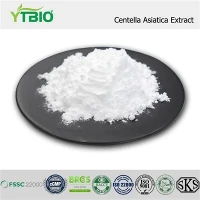
Yes, Madecassoside does boost collagen synthesis, making it a highly sought-after ingredient in anti-aging formulations. Centella Asiatica's bioactive triterpenoid saponin stimulates cellular Type I and Type III collagen synthesis. This chemical increases skin elasticity, reduces fine wrinkles, and firms the dermis in clinical tests. B2B clients developing novel skincare solutions must grasp this ingredient's collagen-boosting processes to create successful anti-aging products that fulfill customer expectations.
Introduction
 Science-backed active compounds are in high demand in skin care, and Madecassoside is leading the way. Formulators worldwide are interested in Centella Asiatica's powerful bioactive ingredient because it fights aging. The major structural protein in our skin, collagen, declines with age. This weakens and wrinkles our skin. This decrease accelerates after 25, and production lowers 1% annually.
Does Centella's chemical assist the body create more collagen? Global B2B buyers in functional food, beauty ingredient, and nutritional sectors are still wondering. How can product lines properly include it? Scientific evidence for its collagen-boosting properties, comparisons to other active components, safety, how to purchase, and new market trends are examined. Knowing how adaptable this substance is may assist vitamin, plant-based, and sports nutrition companies create new products.
Understanding Madecassoside and Its Role in Skin Health
Chemical Structure and Purity Standards
Madecassoside (C48H78O20), a water-friendly triterpenoid saponin, forms white to off-white crystals. Wider Centella Asiatica extracts have a combination of compounds, while pharmaceutical-grade material has a defined molecular structure and molecular weight of 975.12 g/mol. YTBIO offers this active ingredient with 80%–90% purity, ensuring consistent production batches. Companies that create reliable serums, freeze-dried powders, lotions, and sprays need high quality requirements. The chemical dissolves well in water and ethanol, giving formulators more possibilities than lipophilic actives.
Mechanisms of Action: Collagen Synthesis and Barrier Repair
The chemical affects collagen homeostasis in many ways. It inhibits the NF-κB inflammatory pathway, reducing long-term collagen fiber breakdown. In addition, it boosts fibroblast activity, which produces collagen and elastin. This compound increases stratum corneum barrier protein expression in lab studies. This accelerates skin barrier restoration and promotes collagen formation.
New research suggests it increases skin production of hyaluronic acid, which works with collagen to maintain the dermis thick and moist. Atopic dermatitis animals treated with Centella extract had 1.2 to 1.3 times less ear edema and 1.6 times less lymph node swelling than controls. The chemical reduces inflammation and promotes tissue growth, as shown by these findings.
Clinical Evidence for Anti-Aging Efficacy
A six-month topical vitamin C-active ingredient research on 20 women showed substantial benefits. The findings indicated reduced deep wrinkles, greater skin structure and smoothness, and more hydration. Environmental free radicals from UV radiation and pollution are removed by antioxidants. This prevents collagen oxidation. This defensive procedure and the compound's collagen-boosting capacity provide a full anti-aging regimen.
Comparing Madecassoside with Other Popular Anti-Aging Ingredients
Madecassoside vs. Retinol
Retinol stimulates collagen greatest, however sensitive skin has several issues. Gentle products can't include retinol since it irritates, reddens, and makes skin light-sensitive. Centella extract boosts collagen without these side effects. Anti-inflammatory characteristics make it excellent for reactive skin types including rosacea and impaired barriers. Retinol must be covered from the sun, however it may be used throughout the day without photosensitivity.
Madecassoside vs. Niacinamide
Niacinamide, or Vitamin B3, is renowned for its skin barrier and lightening properties. It indirectly affects collagen synthesis by generating ceramides and strengthening the barrier. Saponin directly boosts collagen gene expression, providing a targeted anti-aging effect. To maximize their effects, formulators blend the two components. Niacinamide enhances the barrier and controls pigmentation, whereas Centella directly improves collagen and reduces inflammation.
Madecassoside vs. Asiaticoside and Total Centella Extract
Centella Asiatica also contains Asiaticoside. It immediately affects collagen density and tensile strength but dissolves less in water. Formulation is tougher than with the hydrophilic material. Total Centella extract (TECA) contains four triterpenes, therefore dosages vary each batch. You can accurately regulate the concentration of pure, separated material, which is normally 0.1% to 0.5% in final goods. Scar repair and surgical recovery products utilize up to 1% concentrations. B2B customers that seek regular performance and confirmation of label claims choose single-molecule clarity over blended extract profiles.
Addressing Concerns and Safety for B2B Clients
Safety Profile and Skin Tolerance
When buying ingredients, safety is a must, especially for brands that cater to sensitive groups. Madecassoside is well tolerated by a wide range of skin types, even those with sensitive, acne-prone, or otherwise damaged skin. Its anti-inflammatory traits actually make irritation less likely, which means it can be used in cosmetic bandages after surgery, skin care products for babies, and emergency serums made for severe sensitivity episodes. Early research shows that it lowers the inflammatory proteins that cause acne breakouts, which means it can be used for more than just anti-aging.
Regulatory Compliance and Certifications
YTBIO has many qualifications, such as HACCP, ISO9001, ISO22000, HALAL, KOSHER, FDA registration, and EU&NOP Organic certificates, which make sure they follow all global rules and regulations. The company has helped Korean clients get cosmetic ingredients registered with the KFDA and European clients get cosmetic ingredients registered with the NMPA. These certifications are necessary for B2B clients who have to deal with complicated foreign markets where different countries have different rules about how to record things. Each batch comes with proof that it was tested by a third party. This gives customers confidence in the brand's image and quality.
Special Populations and Contraindications
It's typically safe, but purchasing teams should know how to apply it for particular populations. Chemical safety is especially important for pregnant and nursing women. At present moment, topical use looks safe, but firms that wish to target these clients should test their goods and provide explicit directions. The chemical helps with rosacea and acne scars, making it better for a broader spectrum of skin issues.
Procurement Insights: Choosing the Right Madecassoside Supplier and Product
Evaluating Supplier Quality Parameters
To identify a reliable vendor, focus on essential quality factors that ensure product performance. HPLC is essential for purity testing. Broad or jumbled peaks indicate low-purity portions instead of a single compound, whereas premium grades have crisp, sharp peaks with the correct retention durations. YTBIO provides third-party testing documentation and adjustable MOQs for sample testing so consumers may evaluate quality before buying in bulk.
Global Sourcing Landscape and MOQ Considerations
This botanical active's world supply line goes through China, the US, and Europe. Each of these places has its own benefits. There are many Chinese suppliers, like YTBIO, that offer reasonable prices, strong manufacturing facilities, and a wide range of certifications. European suppliers often stress organic approval and environmental qualities, which makes them more appealing to brands that care about the environment. American providers may be easier for local formulators to work with when it comes to logistics, but they usually charge more.
YTBIO has branch offices in the Netherlands (Rotterdam) and the US, along with well-established transport stores. This makes it easy for customers in the EU and North America to get their orders. This spread-out infrastructure cuts down on wait times and makes customs procedures easier, which are both very important for keeping production plans. Knowing the minimum order quantity (MOQ) needs of different providers helps procurement teams handle inventory and cut costs at the same time. New brands can get high-quality products without having to make huge financial commitments thanks to MOQ rules that are flexible.
OEM and Custom Formulation Opportunities
OEM agreements offer strategic benefits for brands that want to make their anti-aging goods stand out, in addition to providing raw ingredients. Custom formulation services let you mix the chemical from Centella with other active ingredients that work well together, like peptides, vitamin C, or ceramides. This makes unique mixtures that support patent claims and brand positioning. While formulating, YTBIO offers professional technical help to make sure that the right amounts of ingredients are used, that the formula is stable, and that all the necessary paperwork is filled out to meet legal requirements. These relationships cut down on the time it takes to get a product to market and use the knowledge of suppliers in areas like ingredient suitability and formulation chemistry.
Future Trends and Market Outlook for Madecassoside in Anti-Aging Skincare
Emerging Research and Combination Strategies
We are still learning more about how Madecassoside, this triterpenoid saponin, works with other ingredients in skin care products through ongoing study. Combinations of new peptides, growth factors, and next-generation vitamins have been studied and found to have combined effects that make collagen production even stronger than when the ingredients are used alone. The substance works well with active acids (AHAs/BHAs), which means it could be used in complete systems for exfoliation and regeneration. However, it's important to be careful when managing the pH of the mixture. Another new area of research is encapsulation technologies that keep the active ingredient from breaking down while improving skin penetration. These technologies could make the product more effective at lower amounts.
Consumer Demand and B2B Sourcing Behaviors
K-beauty trends and clean beauty movements that focus on plant actives have made a huge number of people very interested in Centella Asiatica and its variations. This knowledge makes people want to buy, so they actively look for goods with this ingredient listed on the box. B2B clients can use this to their advantage by making the chemical stand out in marketing materials and recipe claims. Smart customers who read ingredient lists carefully and expect scientific proof like it when companies are clear about where their products come from, how pure they are, and if they've been tested in clinical trials.
Strategic Recommendations for Market Positioning
Companies that want to make their anti-aging products stand out should think about using this plant substance in more than one way. Product marketing can highlight its dual benefits of stimulating collagen and soothing inflammation, making it more appealing to people who want gentle solutions that work well. Cross-category uses that go beyond standard skincare, such as nutricosmetic formulations, functional drinks, and ingestible beauty supplements, are open possibilities for nutraceutical and sports nutrition brands that cater to our target audience.
In markets that change quickly, working with providers that offer full service packages that include formulation advice, legal support, and market information can give you a competitive edge. The goal of YTBIO to make health and beauty products available to all families is in line with industry trends toward easy-to-use, science-based products that give real benefits.
Conclusion
Madecassoside is a flexible active ingredient that has been proven by science to increase collagen production and improve skin health in many other ways. It is well tolerated, follows regulations, and can be mixed in a variety of ways, which makes it a good choice for B2B clients in the nutrition, skincare, and functional food industries. As more people look for effective botanical actives, brands can set themselves up for market success by strategically buying high-purity, approved material from reputable sources like YTBIO. There is a lot of evidence that the chemical works, and new uses for it mean that it will continue to be important in anti-aging research.
FAQ
1. Is Madecassoside safe for sensitive skin types?
Yes, the combination works very well even on skin that is very sensitive. Its anti-inflammatory traits actively reduce redness, stinging, and itching, which makes it perfect for products aimed at sensitive groups, such as those with rosacea or weak barriers.
2. What range of concentrations works best for anti-aging serums?
It has been shown to work in clinical trials at doses of 0.1% to 0.5%. Higher amounts, up to 1%, are used in more intense treatments for scars and healing after surgery. The best dose varies on how complicated the mixture is and what other active ingredients are in it.
3. Can it be combined with retinol and other actives?
Yes, but the pH of the mixture needs to be carefully managed. Between pH 4.5 and 6.5, the substance stays solid. When working with strong acids or retinol, you might want to use sequential application or capsule methods to keep all the parts active and stop them from breaking down.
Partner with YTBIO for Premium Madecassoside Supply
As a top provider of Madecassoside with more than ten years of experience, YTBIO gives B2B clients all the help they need to add this powerful anti-aging ingredient to their product lines. Our 80% to 90% pure plant extract comes with all the necessary certifications, such as HACCP, ISO22000, HALAL, KOSHER, and organic certificates, to make sure it meets all the rules in all global markets. With transit warehouses in Rotterdam and the US, we can deliver quickly and offer flexible minimum order quantities (MOQs) that work for both new and known names.
Our skilled technical team helps you with developing formulations, testing for compatibility, and getting legal advice as you create new products. If you're a sports nutrition brand looking into nutricosmetic uses, a nutraceutical company making collagen-supporting supplements, or a functional food maker making beauty-from-within solutions, YTBIO can help you with your supply chains and quality control. Email our team at sales@sxytbio.com to get samples, talk about custom formulation options, or get full product specs that fit your goals for innovation.
References
1. Bylka, W., Znajdek-Awiżeń, P., Studzińska-Sroka, E., & Brzezińska, M. (2013). Centella asiatica in dermatology: An overview. Phytotherapy Research, 27(9), 1281-1287.
2. Lee, J., Jung, E., Kim, Y., Park, J., Park, J., Hong, S., Kim, J., Hyun, C., Kim, Y.S., & Park, D. (2006). Asiaticoside induces human collagen I synthesis through TGFβ receptor I kinase (TβRI kinase)-independent Smad signaling. Planta Médica, 72(4), 324-328.
3. Haftek, M., Mac-Mary, S., Le Bitoux, M.A., Creidi, P., Seité, S., Rougier, A., & Humbert, P. (2008). Clinical, biometric and structural evaluation of the long-term effects of a topical treatment with ascorbic acid and madecassoside in photoaged human skin. Experimental Dermatology, 17(11), 946-952.
4. Paocharoen, V. (2010). The efficacy and side effects of oral Centella asiatica extract for wound healing promotion in diabetic wound patients. Journal of the Medical Association of Thailand, 93(Suppl 7), S166-170.
5. Somboonwong, J., Thanamittramanee, S., Jariyapongskul, A., & Patumraj, S. (2012). Therapeutic effects of Centella asiatica extract on DNCB-induced atopic dermatitis in mice. Journal of Ethnopharmacology, 143(2), 589-598.
6. Maquart, F.X., Bellon, G., Gillery, P., Wegrowski, Y., & Borel, J.P. (1990). Stimulation of collagen synthesis in fibroblast cultures by a triterpene extracted from Centella asiatica. Connective Tissue Research, 24(2), 107-120.