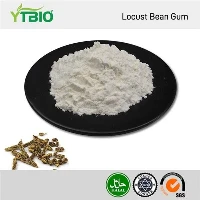
In the world of food making today, natural hydrocolloids are an important part of clean-label products. The carob tree seeds that are used to make Locust Bean Gum make it a flexible thickening and stabilizing agent. This gives food makers a plant-based option that meets customer demand for ingredients that are easy to recognize. This naturally occurring polysaccharide, which is mostly made up of galactose and mannose units, works very well in dairy, bakery, beverage, and frozen treat uses. It also helps with weight control and managing blood sugar. Your product development plan can change if you know about its unique qualities and where to get it.
Understanding Locust Bean Gum: Composition, Production & Food Applications
Locust Bean Gum, which is also called carob gum or E410, comes from the interior of carob tree seeds that develop in the Mediterranean. Cautious steps are taken amid the extraction handle to keep its utilitarian keenness whereas getting freed of debasements that seem influence execution and clarity.
Botanical Origin and Chemical Structure
Ceratonia siliqua, the carob tree, makes pods that hold seeds. The seeds have an important inner part called galactomannan polysaccharides. The ingredient's unique ability to thicken comes from its chemical structure, which is made up of a mannose backbone and galactose side chains. This high-molecular-weight polymer has a molecular weight of almost 300,000 daltons. It causes viscosity at very low concentrations, which makes it a cost-effective choice for makers looking for effective formulation solutions.
Production Process and Quality Standards
First, the carob units are dried in the sun. At that point, they are generally smashed and sieved to partitioned the seeds from the external husks. The fabric is cleaned with solvents, washed, and dried beneath controlled conditions so that it can be finely pulverized and peeled, which isolates the unadulterated endosperm. The final step of screening makes commercial-grade powder that is not totally clear, based on how complex the handling was. More steps are taken to clean refined grades, which makes arrangements that are exceptionally clear and can be utilized in drinks and clear items. To meet remote guidelines for nourishment security, great makers keep certifications like FSSC22000, ISO22000, HALAL, Legitimate, and FDA approvals.
Functional Properties in Food Systems
This hydrocolloid appears one of a kind warm behavior that impacts preparing. Full hydration of standard grades requires warming to around 85°C for almost ten minutes, after which thickness crests amid cooling. Ideal thickness improvement happens close 60°C, giving producers adaptable preparing alternatives. It remains steady over a wide pH run from 3 to 11, making it reasonable for acidic and impartial nourishment frameworks such as natural product and dairy items. It too endures solidifying conditions well, which benefits solidified sweets, in spite of the fact that thickness may incidentally drop underneath solidifying temperatures some time recently recuperation upon thawing.
Key Applications Across Food Categories
Its solid water-binding capacity makes it profitable over numerous nourishment frameworks. Dairy items such as yogurt, ice cream, and cheese utilize it to move forward surface and avoid syneresis. In pastry kitchen applications, particularly gluten-free definitions, it makes a difference supplant lost auxiliary proteins and hold dampness. Plant-based meat choices and protein bars depend on it for official and surface soundness. Refreshment producers incline toward refined, clear grades for smoothies and dinner drinks due to great scattering. In solidified pastries, it guarantees smooth surface and diminishes ice precious stone arrangement amid capacity and distribution.
Comparing Locust Bean Gum with Other Food Thickeners & Hydrocolloids
When buying teams know how this ingredient compares to other options, they can make choices that balance cost, usefulness, and how customers see the product.
Viscosity Behavior and Shear Properties
This carob-derived gum, Locust Bean Gum, shows pseudoplastic, non-Newtonian stream behavior, meaning thickness diminishes beneath shear push and recuperates a while later. This progresses pumping and handling productivity whereas keeping up last surface. At 2% concentration, consistency can reach tall levels, in spite of the fact that normal utilize ranges from 0.3% to 1.0%. Compared with guar gum, it gives superior warm steadiness but marginally lower consistency. Xanthan gum performs way better in cold scattering and suspension, but needs the same synergistic surface when combined with other hydrocolloids.
Synergistic Gelling Effects
Significant usefulness develops when combined with other hydrocolloids. With carrageenan, it improves versatility and changes fragile gels into adaptable surfaces appropriate for sweets. With agar, it moves forward gel quality and diminishes breakage, valuable in prepared nourishments. When matched with xanthan gum, thickness increments past person impacts, empowering diminished utilization levels. These synergies permit producers to optimize surface whereas bringing down add up to hydrocolloid substance, making strides fetched effectiveness and supporting cleaner name definitions in present day nourishment products.
Cost-Effectiveness and Supply Considerations
Pricing varies by grade, with refined transparent forms costing more than standard viscosity types. It is often more cost-effective than carrageenan while delivering similar stabilizing performance. Guar gum may be cheaper but often requires higher usage levels. Procurement decisions should focus on total cost-in-use, including performance and dosage efficiency. Supply is relatively stable due to Mediterranean and Asian sourcing, though seasonal harvest fluctuations may temporarily affect availability and pricing consistency.
Regulatory and Allergen Profiles
This ingredient is widely approved by global authorities including FDA and EFSA and is generally permitted in food applications. Its plant origin makes it suitable for vegan and clean-label formulations, offering an advantage over animal-derived gelatin. It is considered low-allergen, although rare sensitivities to carob proteins have been reported. Proper labeling is recommended for sensitive populations. Certifications such as Halal and Kosher further expand market accessibility across diverse consumer groups and dietary requirements.
Benefits, Safety, and Risk Considerations of Locust Bean Gum
In addition to its useful properties, this nutrient has health benefits and is safe, which are in line with modern health concerns.
Texture Enhancement and Shelf-Life Extension
Its water-binding ability helps maintain product quality by reducing moisture migration during storage. In baked goods, it preserves softness and freshness. In frozen products, it prevents ice crystal formation and protects texture during temperature fluctuations. It stabilizes sauces and dressings, reducing phase separation. Its film-forming properties also help slow oxidation and microbial growth, extending shelf life while reducing the need for synthetic preservatives, supporting clean-label product positioning.
Dietary Benefits and Nutritional Considerations
As a soluble dietary fiber, it supports digestive health and increases satiety. It may help regulate weight by slowing gastric emptying and nutrient absorption. Studies indicate potential benefits in post-meal blood glucose control and cholesterol reduction, including LDL lowering effects without adverse reactions at moderate intake levels. These functional health properties enhance its value beyond texture improvement, allowing manufacturers to support nutritional claims in functional food and wellness-oriented product development.
Safety Profile and FDA Approval
The ingredient is classified as GRAS (Generally Recognized As Safe) under FDA regulations, supported by extensive toxicological data. Normal dietary exposure shows no significant adverse effects in healthy populations. Because it is largely indigestible, it passes through the gastrointestinal system without metabolic disruption. Manufacturers ensure safety through Certificates of Analysis verifying absence of contaminants such as microbes, heavy metals, and residual solvents, ensuring compliance with strict food safety regulations.
Allergen Considerations and Best Practices
Although generally safe, rare allergic or respiratory sensitivities have been reported for locust bean gum. Proper labeling is required where regulations mandate disclosure of carob-derived ingredients. Special caution is needed in infant formulations, where improper use has caused adverse reactions, leading to strict regulatory guidelines. Correct dosage, hydration control, and formulation standards minimize risks. Proper storage in cool, dry, sealed conditions preserves quality and stability for up to 24 months under recommended conditions.
Sourcing Locust Bean Gum: Procurement Guide for B2B Buyers
To find your way around the supply chain, you need to know about grade requirements, supplier skills, and quality control procedures that keep your manufacturing processes safe.
Grade Selection and Specifications
Different viscosity grades serve different applications. Low-viscosity grades are suitable for beverages and light soups, while medium grades fit sauces and dairy products. High-viscosity grades are ideal for frozen desserts and confectionery requiring strong texture stability. Refined transparent grades are preferred for clear beverages and gels. Higher purity increases cost but improves clarity and performance, making grade selection dependent on product positioning and functional requirements.
Supplier Evaluation Criteria
Supplier selection requires evaluation beyond pricing. Key certifications include ISO9001, ISO22000, FSSC22000, Halal, and Kosher standards. Certificates of Analysis should confirm microbiological safety, heavy metal limits, and moisture content. FDA-registered and EU organic-certified suppliers demonstrate stronger regulatory compliance. Customer references provide insight into reliability, technical support, and production consistency. These factors ensure stable supply quality and reduce operational risk in long-term procurement strategies.
Minimum Order Quantities and Logistics
MOQs vary widely, from small R&D samples to bulk orders of 25 kg or more. Larger packaging offers cost efficiency but requires higher inventory planning. Lead times depend on supplier location; domestic stock can ship within days, while international shipments may take several weeks. Proper logistics planning ensures supply continuity. Although temperature control is not required, moisture protection during transport is essential for maintaining product stability.
Sample Testing and Quality Verification
Pre-purchase sampling is essential for performance validation. Hydration tests confirm solubility and viscosity behavior under real processing conditions. Compatibility testing ensures stability with existing formulations. Accelerated stability studies evaluate long-term texture and appearance changes. Third-party laboratory testing provides independent verification of safety and compliance, especially when switching suppliers or optimizing cost structures. These steps reduce formulation risk and ensure consistent product performance at scale.
Making the Right Choice: How to Decide on Locust Bean Gum for Your Food Manufacturing Needs?
To make strategic choices about ingredients like Locust Bean Gum, you have to match their functional properties with the goals of the product and think about how to keep the supply chain sustainable in the long run.
Defining Product Performance Goals
Clear design goals help with successful integration. Find the viscosity ranges you want by trying different concentration levels in small amounts. Figure out if your product needs a viscosity that doesn't change when heated or one that does when cold, which could mean using different mixes of ingredients. The needs for gel strength in sweets are very different from the needs for moisture retention in baked goods. Nutritional messaging affects grade choice. For example, brands that are advertising fiber content may stress that this ingredient contributes to dietary fiber claims. Clean-label message works well with customers who care about being honest because it uses a simple botanical origin story.
Matching Functional Properties to Applications
When compared to regular dairy goods, plant-based dairy options often don't have the same mouthfeel. This natural filler fills in texture gaps by imitating the body and softness that customers want. It works especially well when mixed with other stabilizers to create effects that work better together. Along with protein ingredients, sports nutrition products use fiber for its ability to control blood sugar. Its ability to make pleasing thickness without grittiness is good for meal replacement drinks. Manufacturers of frozen desserts depend on its ability to control ice crystals to keep the texture smooth and easy to scoop throughout the product's life. Knowing these benefits that are specific to the application helps you match grades to your formulation problems.
Long-Term Procurement Strategies
To have sustainable sourcing ties, you need to go beyond just buying things and start building smart partnerships. Not only should you look at sellers who sell goods, but also those who give expert help during formulation improvement. Contracts that last more than one year and include number agreements can help you get better prices and make sure that you always have a supply, even if the price of raw materials changes. Suppliers with global delivery networks make it possible for factories to work in a number of different areas. Quality consistency methods, such as testing from batch to batch and specification promises, help keep your brand's good name. By working with makers who have all the necessary certifications, you can avoid having to make expensive changes to your recipes when you go into new markets with different rules.
Conclusion
This natural hydrocolloid, locust bean gum, is very useful in modern food making because it combines good functionality with a clean label look that appeals to health-conscious customers. It is essential for plant-based formulations, frozen desserts, dairy products, and specialized nutrition uses because of its unique rheological qualities, ability to gel in a synergistic way, and nutritional benefits. To successfully apply, you need to know the grade standards, processing needs, and how it compares to other thickeners that can be used in the same situations. Strategic partnerships with authorized suppliers help you keep your factory operations and brand promises while ensuring uniform quality, regulatory compliance, and supply security.
FAQ
1. What exactly is locust bean gum and where does it come from?
This natural thickener comes from carob tree seeds, especially the part called endosperm that has galactomannan polysaccharides in it. Most industrial material used to come from the Mediterranean, but now it is grown in other places with better weather as well. During the extraction process, the material is separated and cleaned mechanically to make a food-grade powder that can be used in a variety of industrial processes.
2. How does it compare functionally to xanthan gum and guar gum?
Each hydrocolloid has its own benefits. This ingredient comes from carob and needs to be heated to work, but when mixed with carrageenan or agar, it makes better gels that work well together. Xanthan gum dissolves easily in cold water and makes a great solution, but it doesn't form a stretchy gel like agar does. Guar gum has a higher viscosity and costs less than other gums. However, it is less stable in heat and doesn't work well with other gums.
3. Can this ingredient support clean-label and dietary health claims?
Of course. Its plant-based origin and easy processing make it a great choice for clean-label placement. As soluble dietary fiber, it helps affirm fiber content claims and supports weight loss and glycemic response regulation according to clinical studies. It doesn't need to be changed to meet the needs of vegans, vegetarians, Muslims, or Jews because it is made from plants.
Partner with YTBIO: Your Trusted Locust Bean Gum Supplier
Finding ingredients is easier when you work with a well-known company that is dedicated to providing excellent quality and service. YTBIO specializes in providing natural ingredients that are safe for food. One example is Locust Bean Gum, which comes in different thickness grades (800, 3000, and 6000), as well as improved versions that can be used in a wide range of situations, from drinks to frozen desserts. Our wide range of certifications includes FDA, FSSC22000, HALAL, KOSHER, ISO9001, ISO22000, and HALAL approvals. This makes sure that your products meet all global legal requirements. We support both R&D projects and full-scale production needs because we have stock that can be shipped in one to three days and adjustable MOQs that start at just one kilogram. Our expert team has decades of experience using hydrocolloids and can help you with formulation, which speeds up the time it takes to make your product. You can email our sales team at sales@sxytbio.com to ask for samples, look over the specs, or talk about how our Locust Bean Gum products can help your manufacturing.
References
1. Anderson, D.M. & Weiping, W. (2019). Handbook of Hydrocolloids: Locust Bean Gum Production and Food Applications. Woodhead Publishing Series in Food Science, Technology and Nutrition.
2. Brennan, M.A. & Tudorica, C.M. (2021). Functional Properties of Galactomannans in Food Systems: A Comparative Analysis. Journal of Food Science and Technology, 58(4), 1245-1259.
3. European Food Safety Authority Panel on Food Additives. (2020). Re-evaluation of Locust Bean Gum (E 410) as a Food Additive. EFSA Journal, 18(3), e06045.
4. Petkowicz, C.L., et al. (2017). Structural and Rheological Properties of Locust Bean Gum: Impact on Food Manufacturing. Carbohydrate Polymers, 175, 440-450.
5. Slavin, J.L. & Lloyd, B. (2018). Health Benefits of Soluble Dietary Fibers in Functional Food Applications. Nutrition Reviews, 76(5), 320-333.
6. Williams, P.A. & Phillips, G.O. (2022). Gums and Stabilizers for the Food Industry: Volume 21. Royal Society of Chemistry Special Publication on Hydrocolloid Applications.