
Hey there! As a luteolin supplier, I've been super curious about how this amazing compound interacts with neurotransmitters. And let me tell you, it's a pretty fascinating topic.
First off, let's talk a bit about luteolin. It's a flavonoid that you can find in lots of plants, like celery, parsley, and chamomile. Flavonoids are known for their antioxidant and anti - inflammatory properties, and luteolin is no exception. But what really caught my eye is its potential to mess around with neurotransmitters.
Neurotransmitters are like the messengers in our brain. They carry signals between nerve cells, helping us think, feel, and move. Some of the well - known neurotransmitters are dopamine, serotonin, and gamma - aminobutyric acid (GABA).
Let's start with dopamine. Dopamine is often called the "feel - good" neurotransmitter. It's involved in our reward system, motivation, and movement. Studies have shown that luteolin might have an impact on dopamine levels. It could potentially increase the release of dopamine in certain areas of the brain. This is a big deal because low dopamine levels are associated with conditions like Parkinson's disease and depression.
One way luteolin might do this is by interacting with the enzymes that are responsible for synthesizing and breaking down dopamine. For example, it could inhibit the activity of monoamine oxidase (MAO), an enzyme that breaks down dopamine. By doing so, luteolin helps keep more dopamine in the brain, which can improve mood and cognitive function.
 |  |
Now, let's move on to serotonin. Serotonin is another important neurotransmitter that regulates mood, sleep, and appetite. Just like with dopamine, luteolin might have a positive effect on serotonin levels. It can interact with serotonin receptors in the brain. By binding to these receptors, luteolin can enhance the signaling of serotonin, which in turn can boost our mood and reduce anxiety.
If you're dealing with stress or mild depression, having luteolin around to give your serotonin levels a little nudge could be really helpful. It's like a natural mood - enhancer without the side effects of some medications.
GABA is an inhibitory neurotransmitter, which means it calms down the activity of nerve cells. Luteolin can also interact with GABA receptors. When luteolin binds to these receptors, it can increase the inhibitory effect of GABA. This is great for people who have trouble sleeping or are dealing with high levels of anxiety. It helps to relax the brain and body, promoting a sense of calm.
But how exactly does luteolin interact with these neurotransmitters at a molecular level? Well, luteolin has a unique chemical structure. Its phenolic groups can form hydrogen bonds with the receptors of neurotransmitters. These bonds are like little hooks that hold luteolin in place on the receptor, allowing it to influence the receptor's activity.
Another interesting thing is that luteolin can cross the blood - brain barrier. This is a protective layer that separates the bloodstream from the brain. Not all substances can cross this barrier, but luteolin can. This means it can directly access the brain and interact with neurotransmitters, which is a huge advantage.
Now, you might be thinking, "This all sounds great, but where can I get luteolin?" Well, that's where I come in! As a luteolin supplier, I can provide high - quality luteolin for various applications. Whether you're a researcher looking to study its effects on neurotransmitters or a supplement manufacturer wanting to add it to your products, I've got you covered.
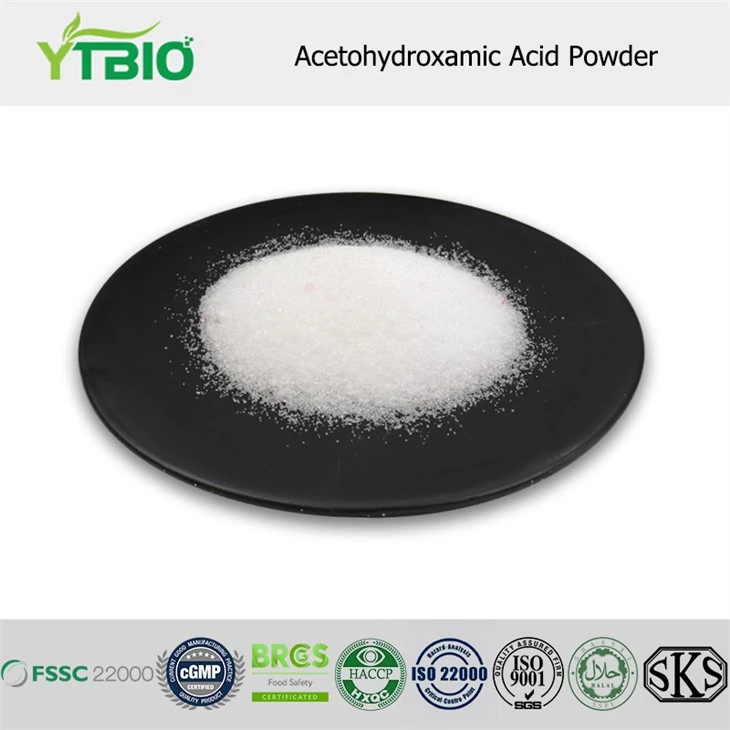
In addition to luteolin, we also offer other great products. Check out our Pygeum Extract Powder, Ellagic Acid Powder, and Acetohydroxamic Acid Powder. These products also have their own unique health benefits and are worth exploring.
If you're interested in learning more about luteolin or any of our other products, don't hesitate to reach out. We can have a chat about your needs and how our products can fit into your projects. Whether it's for research, health supplements, or other applications, we're here to help.
In conclusion, luteolin's interaction with neurotransmitters is a really exciting area of research. It has the potential to improve our mental health and well - being in many ways. And as a supplier, I'm excited to be part of this journey, providing high - quality luteolin to those who are interested in exploring its benefits. So, if you're looking for a reliable source of luteolin, give us a shout!
For more product information, please contact: sales@sxytbio.com
References
- Borrás - Lloret, M., et al. "Luteolin: A flavonoid with multiple health - promoting activities." Pharmacological Research, 2014.
- Carlini, E. A., et al. "Effect of chronic treatment with luteolin on anxiety - like behavior and central neurotransmitter levels in mice." Pharmacology Biochemistry and Behavior, 2009.
- Youdim, K. A., et al. "Polyphenols: antioxidants and beyond." American Journal of Clinical Nutrition, 2004.