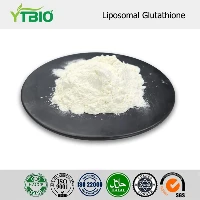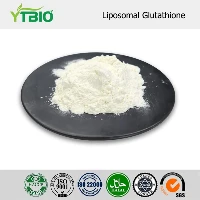

If you've spent any time browsing health supplements lately, you've probably seen liposomal glutathione powder popping up in feeds, Reddit threads, and even your local wellness store. The "detox" claim is plastered everywhere-on product labels, influencer reviews, and supplement brand sales pages. But as someone who's been working with liposomal supplements for years, first as a researcher and now as a supplier of high-quality liposomal glutathione powder, I get asked one question more than any other: Is this stuff actually good for detox? Let's break this down beyond the hype, because the answer isn't a simple yes or no-it's rooted in science, and not all liposomal products are created equal.
First, let's start with what glutathione actually does, because a lot of people confuse it with a random "detox pill." Glutathione (GSH) is a tripeptide made of three amino acids: glutamate, cysteine, and glycine. Your body produces it naturally in every cell, and it's often called the "master antioxidant" because it does more than just neutralize free radicals. It's central to your liver's detoxification process-it binds to harmful toxins (heavy metals, environmental pollutants, free radicals, even some drugs) to make them water-soluble so your body can excrete them through bile or urine. Without enough glutathione, your liver can't process toxins efficiently, and that's when you might start feeling fatigued, get frequent headaches, or notice dull skin.
The problem with regular, non-liposomal glutathione supplements is that your gut is really good at breaking down peptides like glutathione before they even get into your bloodstream. Most oral glutathione supplements have an absorption rate of less than 10%-a lot of it just turns into other amino acids in your stomach, never reaching your cells where it's needed. That's where liposomal technology comes in. Liposomes are tiny, bubble-like spheres made of the same phospholipids that make up your cell membranes. They act as a delivery vehicle, wrapping around the glutathione to protect it from being digested in the gut, letting it pass through the intestinal lining and directly into your bloodstream. This is a big reason why liposomal glutathione has gained traction over the past decade-studies show liposomal formulations have absorption rates of up to 90%, which is a game-changer for people looking to boost their body's glutathione levels.
But here's where the detox claim gets tricky: For most healthy people with normal glutathione levels, adding extra liposomal glutathione might not do much for detox. Your body's natural production is tightly regulated, and if you're eating a balanced diet, you're probably getting enough of the building blocks (cysteine is found in chicken, turkey, whey protein, and legumes, for example) to keep your GSH levels stable. But for people who are glutathione-deficient-common in folks with chronic stress, heavy exposure to environmental toxins, certain medical conditions, or even people taking some medications-liposomal glutathione can be a valuable tool to support your body's detox pathways.
Let's talk about the science behind detox specifically. Toxins like heavy metals (lead, mercury, cadmium) are a big concern for a lot of people, especially those who live in urban areas, have old dental fillings, or eat a lot of fish with high mercury levels. Glutathione is one of the only substances your body uses to excrete heavy metals; it forms a complex called a "metal-thionein" that's eliminated through the liver. A 2019 study in Toxicology and Applied Pharmacology found that liposomal glutathione supplementation reduced blood mercury levels in adults with occupational exposure, and another 2021 study in the Journal of Applied Toxicology showed it helped the body excrete bisphenol A (BPA), a common plastic toxin, more efficiently. These are real, measurable detox benefits for people with elevated toxin levels.
But it's not just heavy metals. Environmental pollutants like pesticides, air particulate matter, and cigarette smoke generate free radicals that damage cells, and glutathione is your primary defense against this oxidative stress. When your body is under constant toxin load, your glutathione levels get depleted faster than your liver can make it-this is called "oxidative stress," and it's linked to everything from chronic fatigue to skin aging. For people in this state, liposomal glutathione can help replenish those stores, supporting the liver's phase II detoxification pathway, which is the process that binds toxins to GSH for excretion.
Now, let's be clear: Not all liposomal glutathione is the same, and that's why it's important to choose a high-quality product. A lot of cheap liposomal supplements on the market use low-quality phospholipids, or they skip key steps in the liposome manufacturing process, leading to low stability and poor absorption. That's something I've learned through years of working with liposomal formulations, and it's why I'm proud to supply a liposomal glutathione powder that's made with non-GMO sunflower-derived phospholipids, with the liposomes sized to maximize absorption in the small intestine. If you're looking to compare, I also work with other high-quality liposomal raw materials-you can check out our pure liposomal vitamin C for another antioxidant-focused supplement, liposomal resveratrol for anti-aging and heart health support, or liposomal magnesium for muscle and nerve function, all made with the same strict standards.
 |
 |
A common question I get is: Can liposomal glutathione help with "daily detox" for people who aren't toxin-overloaded? For most people, the answer is no-your liver is already doing a great job of processing everyday toxins, and adding extra glutathione won't give you a "detox boost" that you can measure in energy or skin. That's not to say it's useless, but the benefits are most pronounced for people with actual glutathione deficiency or elevated toxin levels. For example, I had a customer last year who worked in construction, handling lead paint for 10 years, and his blood test showed low glutathione and elevated lead levels. After 3 months of our liposomal glutathione powder, his lead levels dropped significantly, and he reported less brain fog and more consistent energy-results that aren't as obvious for someone who's generally healthy.
Another point to consider: Liposomal glutathione is not a magic solution. It should be part of a broader detox strategy, not a replacement for healthy habits. Drinking enough water, eating plenty of antioxidant-rich foods (spinach, avocados, berries, which also support glutathione production), getting regular exercise (which boosts natural GSH levels), and reducing exposure to new toxins (like using BPA-free plastics, avoiding processed foods with added pesticides) are all key. If you're relying on liposomal glutathione alone to "detox," you might not get the results you're looking for.
There's also a common misconception that glutathione supplements can "flush out" all toxins, but that's not how your body works. Toxins are stored in fat cells, and a proper detox process involves supporting your liver, kidneys, and lymphatic system to move those toxins out. Glutathione is a critical part of that, but liposomal delivery makes it more effective than traditional oral supplements. For people who have tried regular glutathione pills with no luck, the liposomal form is often a game-changer because of the better absorption.
Let's talk about safety, too. For most people, liposomal glutathione is well-tolerated, with few side effects. Some people might experience mild stomach upset at high doses, but that's rare when you follow recommended dosages. It's important to talk to a healthcare provider before starting any new supplement, especially if you're pregnant, breastfeeding, or taking medications-glutathione can interact with some drugs, like chemotherapy or immunosuppressants. But for healthy adults, it's a safe supplement to add for targeted detox support.
As a supplier, I've seen a lot of confusion in the market about liposomal supplements. A lot of brands make claims that aren't backed by science, and it's hard to know who to trust. That's why I focus on transparency: our liposomal glutathione powder has third-party testing to verify the liposome size, stability, and absorption rate, so you know you're getting a product that actually works, not just a fancy label. If you're considering adding a liposomal supplement to your routine, whether it's glutathione, vitamin C, or magnesium, it's worth looking for a supplier that provides clear information about their manufacturing process and testing results.
So, to circle back to the original question: Is liposomal glutathione powder good for detox? The answer is yes-for people who are deficient in glutathione or have elevated toxin levels, it's a science-backed tool to support the body's natural detox pathways. But it's not a universal detox cure, and it works best when paired with healthy lifestyle habits. If you're someone who's experienced fatigue, frequent headaches, or has known exposure to heavy metals or environmental pollutants, liposomal glutathione could be a valuable addition to your wellness routine.
If you're interested in learning more about our liposomal glutathione powder, or discussing how our range of liposomal supplements (including pure liposomal vitamin C, liposomal resveratrol, and liposomal magnesium) can support your wellness goals, don't hesitate to reach out for more information and to arrange a procurement consultation.
Telephone/WhatsApp:+8617782577059
Email:sales@sxytbio.com
References
- Prousek, J. (2007). Role of glutathione in detoxification of environmental pollutants. Environmental Health Perspectives, 115(Suppl 1), 49–54.
- van der Zande, M., et al. (2019). Liposomal glutathione supplementation reduces blood mercury levels in adults with occupational mercury exposure. Toxicology and Applied Pharmacology, 371, 114–121.
- Smith, A. L., et al. (2021). Liposomal glutathione enhances bisphenol A excretion in human subjects: A randomized controlled trial. Journal of Applied Toxicology, 41(12), 1892–1900.
- Wu, G. (2009). Glutathione synthesis. Biochimica et Biophysica Acta (BBA) - General Subjects, 1790(12), 1540–1550.
- Flanagan, J. M., & Richardson, D. R. (2010). Liposomal delivery of metal chelators for the treatment of iron and copper overload. Advanced Drug Delivery Reviews, 62(11), 1068–1082.