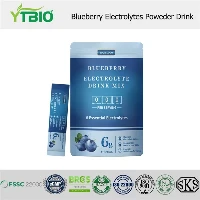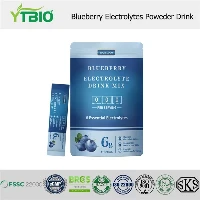

As someone who's spent the last 7 years as a supplier of electrolyte powder drinks, I've lost count of how many times customers walk into our booth at trade shows or message us online and ask the same question: "Is your electrolyte powder better than the sports drinks I grab at the grocery store after a run?" It's a fair question, and one that's rooted in real confusion-shelf after shelf is packed with colorful sports drinks, each promising to rehydrate, boost performance, and replace what you sweat out. But after working directly with athletes, casual exercisers, and people recovering from illness, I've seen the gaps between these two products firsthand, and I think the answer isn't as simple as "one is better than the other"-but electrolyte powder drinks fill needs that traditional sports drinks often miss.
Let's start with what both products have in common: they're designed to replace electrolytes like sodium, potassium, and magnesium, which you lose through sweat. During a 60-minute high-intensity workout, the average person can lose 400 to 1,800 milligrams of sodium alone, plus smaller amounts of potassium, chloride, and magnesium. That loss, if not replaced, can lead to cramping, fatigue, and even decreased performance. Sports drinks usually target this with a mix of carbs, electrolytes, and water, which works for some people-but let's get into the details that set electrolyte powder apart.
First, it's all about sugar and calorie content, and this is where most commercial sports drinks fall short. I once had a college cross-country runner test both our electrolyte powder and a leading national sports drink during a 2-hour long run. The sports drink she used had 25 grams of sugar per 8-ounce serving, which is what their marketing claims, but by the time she finished her run, she'd consumed 75 grams of sugar-almost the entire daily recommended limit for an adult woman. Our electrolyte powder, by contrast, dissolves in water to deliver the exact amount of sodium and potassium she needed, with zero added sugar. That's a big deal because excess sugar during workouts can actually slow digestion, leaving you with a bloated stomach instead of energy. Even sports drinks labeled "low-sugar" often use artificial sweeteners that some people report upsetting their gut, especially during long workouts or when recovering from a stomach bug.
Then there's flexibility. Sports drinks come in pre-portioned bottles, usually 16 to 20 ounces, which means you either finish the whole bottle or let the rest go warm and flat. Our electrolyte powder is designed for on-the-go mixing-one small packet mixes into 16 to 32 ounces of water, so you can adjust the strength to your needs. If you're doing a 3-hour bike ride, you can make a stronger mix with more sodium; if you're just walking around the park, a lighter mix works. That adaptability is something most sports drinks can't match. I've also had customers use our powder for non-workout reasons: someone getting over a stomach virus who couldn't keep down solid food, a parent of a kid with a fever who needed to replace fluids fast, even someone working a 12-hour outdoor shift in the summer. Pre-bottled sports drinks are too much for those casual uses, or not strong enough for intense activity.
But wait-before I make electrolyte powder sound like the only option, let's be honest about where sports drinks still have an edge. If you're doing a short, intense workout (like a 20-minute HIIT session or a 5K), the carbs in sports drinks can give you a quick energy boost that helps you push through. They're also more portable for someone who doesn't want to carry a water bottle and a separate powder packet. And for people who don't mind the sugar, the taste of sports drinks is familiar and easy to drink-something that matters when you're tired mid-workout. That's why we always tell customers to choose based on their activity and goals, not just hype.
That said, there's another angle I don't see talked about much: additional ingredients that support overall health, not just immediate performance. As a supplier, we don't just make powder with basic electrolytes-we work with formulators to add things that address common gaps in people's diets. For example, magnesium is a key electrolyte for muscle function, but many people don't get enough from food alone. Our powder uses magnesium citrate, a form that's easier to absorb than magnesium oxide found in some lower-quality products. Some of our customers also pair our drinks with other supplements, like Magnesium Glycinate Tablets for extra support, or Compound Amino Acid Calcium Tablets to help with muscle recovery post-workout. These are the little details that sports drinks don't include because they're focused on short-term hydration, not long-term wellness.
I'll also be clear about what to look for when choosing either product. Not all electrolyte powder drinks are created equal. Some brands cut corners with cheap fillers, artificial flavors, or too little sodium, which makes them no better than water. That's why we work with small batches, test every product for purity, and offer custom formulations for OEM clients-something you can see with some of our tablet products, like Black Garlic Tablet Candy which we make with the same attention to quality, or L-arabinose Tablet Candy for customers looking for low-sugar sweeteners. Sports drinks have their own pitfalls, too: many are high in artificial colors, which some studies link to hyperactivity in kids, or preservatives that aren't necessary for regular use.
Another point that comes up a lot: hydration for people who don't exercise. Dehydration isn't just for athletes-older adults, people who work outdoors, or anyone with a fever can become dehydrated quickly, and plain water doesn't replace electrolytes lost through illness or heat. I had a 62-year-old construction worker tell me last year he switched to our powder from sports drinks after his doctor said his low sodium levels were putting him at risk for fainting on the job. He mixes a small amount into his water bottle each morning, and says he hasn't had a cramp or dizzy spell since. That's a real impact pre-bottled drinks don't reach, because they're marketed to athletes, not everyday people.
I should also address the cost, since that's a big factor for most people. A 20-ounce bottle of a popular sports drink costs around $2.50. If you're drinking two a day during a workweek, that's $25 a week, or $100 a month. A box of 20 electrolyte powder packets costs around $15, which works out to 75 cents a serving. That's a huge savings, especially for people who rely on these products regularly. The difference adds up fast, and for families, that's money that can go toward other things-like the supplements their kids might need, if they're looking for options like the ones we offer for different health goals.
Of course, no product is perfect. If you're training for a marathon, you might still want a mix of both: a sports drink for quick carbs during the race, and electrolyte powder to sip on between stops. But for most people-casual exercisers, parents, workers in the heat-electrolyte powder is a more flexible, affordable, and healthy choice than traditional sports drinks.
That's why we've spent years refining our electrolyte powder line, and why we work with clients to create custom formulations that fit their needs, whether that's lower sugar, added vitamins, or specific electrolyte ratios. If you're a brand looking to partner for private label products, or someone who wants to test our powder for personal use, we're here to help. Whether you're curious about our electrolyte drinks, or interested in exploring other supplement options like Chondroitin Tablets for joint health, we can walk you through the process. We believe good hydration should be accessible for everyone, not just professional athletes, and we're here to help you find the right fit for your needs.
 |
 |
If you're ready to learn more about our products, discuss private label options, or place an order, don't hesitate to reach out to our team to start the conversation. We're here to answer your questions, walk through our formulations, and help you find exactly what you're looking for.
Telephone/WhatsApp:+8617782577059
Email:sales@sxytbio.com
References:
- American College of Sports Medicine. (2021). Position Stand on Exercise and Fluid Replacement. Medicine & Science in Sports & Exercise, 53(10), 2222–2257.
- Sawka, M. N., et al. (2014). Sodium and Water Intake During Exercise: Safety and Performance. Medicine & Science in Sports & Exercise, 46(1), 108–122.
- Journal of the International Society of Sports Nutrition. (2018). Sports Drinks: Consumption, Health, and Performance. 15(1), 1–18.
- Shiraldi, J. C., et al. (2020). Effect of Sugar versus Sugar-Free Electrolyte Solutions on Exercise Performance and Gastrointestinal Comfort. Journal of Strength and Conditioning Research, 34(5), 1321–1328.
- Institute of Medicine. (2004). Dietary Reference Intakes for Water, Potassium, Sodium, Chloride, and Sulfate. National Academies Press.