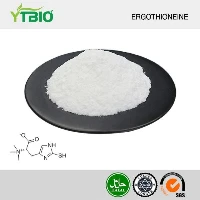

If you've spent any time researching natural wellness ingredients, you've likely come across ergothioneine powder-an amino acid derivative lauded for its antioxidant, anti-inflammatory, and cellular protection properties. As a supplier who's worked with this ingredient for years, I get a lot of questions from formulators, wellness brand owners, and even individual customers: "Is ergothioneine safe to take with my prescription meds?" The short answer? It's complicated, but the existing scientific data paints a reassuring picture for most people-with a few key caveats worth understanding.
First, let's ground this in what ergothioneine actually is. Unlike many other antioxidants, ergothioneine is not produced by the human body; we get it from our diet (think mushrooms, especially shiitakes, and certain grains) or supplements. The body has a specific transporter protein for it called OCTN1, which means it concentrates ergothioneine in cells that need it most-like those in the liver, kidneys, and brain. That targeted absorption is part of why it's such a popular ingredient in everything from dietary supplements to topical skincare.
When it comes to medication interactions, the most logical place to start is how ergothioneine is metabolized in the body. For a substance to interact with a drug, it usually has to compete for the same metabolic pathways, affect liver enzymes that break down medications, or alter the absorption of oral drugs. So far, studies on ergothioneine's metabolic profile show it's handled primarily by the kidneys and the OCTN1 transporter, not the major cytochrome P450 (CYP450) enzyme family that metabolizes around 70% of prescription medications. A 2018 study in the Journal of Agricultural and Food Chemistry tested ergothioneine's effect on CYP450 enzymes and found no significant inhibition or induction-meaning it's unlikely to slow down or speed up how the body processes drugs like statins, antidepressants, or blood pressure medications.
That said, there's a less-explored angle: interactions related to absorption. Some oral medications require a specific pH level in the stomach to dissolve properly, or rely on transporters in the intestinal lining. Since ergothioneine uses OCTN1, could it interfere with drugs that use the same transporter? Early preclinical research in mice has shown that ergothioneine doesn't compete significantly with other substances that use OCTN1, like certain beta-lactam antibiotics (e.g., penicillins) or gamma-butyrobetaine. But this is still a small area of research, and most of the data hasn't been replicated in humans. For anyone taking antibiotics, especially long-term, it's worth mentioning to their doctor that they're using ergothioneine, just to be safe.
Another point to consider is concentration. As a supplier, I've seen ergothioneine used in doses ranging from 50 mg per serving in skincare supplements to 1,000 mg in higher-strength dietary formulas. Research consistently shows that at typical supplemental doses, ergothioneine's effect on the body is minimal and targeted. High-dose studies (above 2,000 mg daily) are rare, but those that exist haven't found major interactions-though there's still more to learn about long-term high-dose use and how it might interact with chronic medications, like those for diabetes or kidney disease. For someone with pre-existing conditions, that's why consulting a healthcare provider before adding any supplement to a medication routine is always a good call.
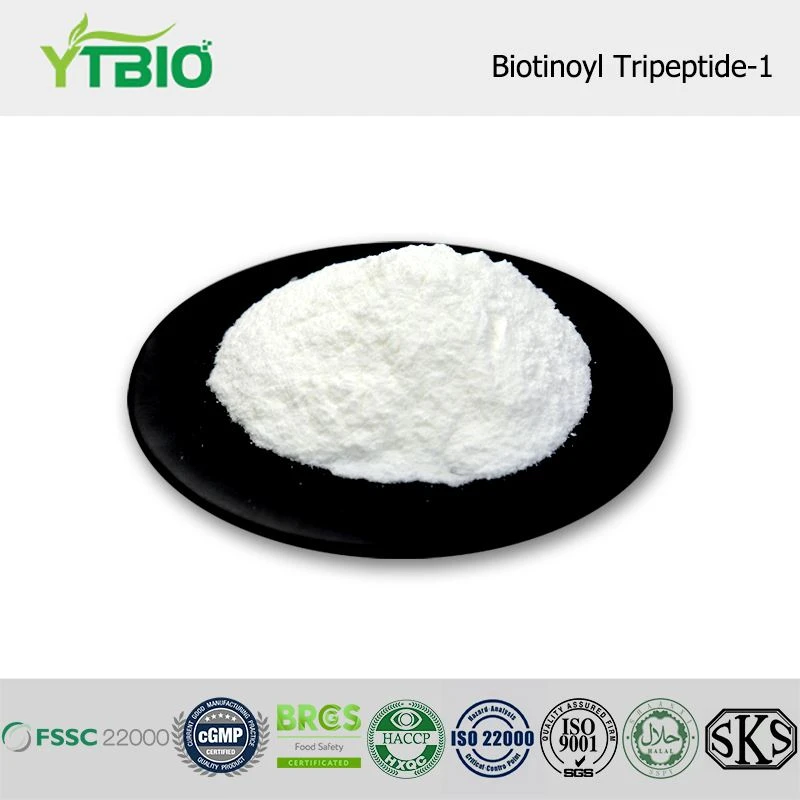
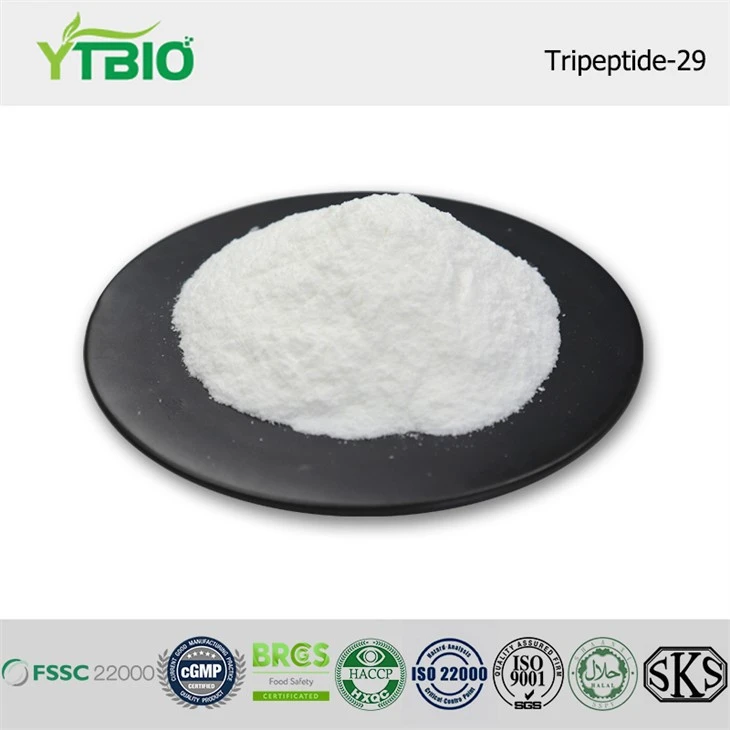
It's also important to note that ergothioneine is often combined with other ingredients in products, and interactions can sometimes come from those add-ins, not the ergothioneine itself. For example, many skincare products with ergothioneine blend it with other active compounds-like O-cymen-5-ol, a natural antibacterial and soothing ingredient found in some cosmetic formulations, or Freeze Dried Aloe Vera Powder, which is known for its skin-calming properties. When formulators mix these ingredients, it's their job to test for compatibility, but as a supplier, I always advise my clients to double-check how combinations might work if they're being used alongside topical or oral medications. Similarly, Tripeptide-29, a common anti-aging peptide, and Biotinoyl Tripeptide-1, which supports hair growth, are often paired with ergothioneine in topical products, and while there's no evidence of harmful interactions between these ingredients themselves, it's still wise to follow guidance from a dermatologist if you're using prescription topical meds alongside such blends.
 |
 |
One area where ergothioneine's interaction with medications is actually well-studied is in the context of kidney health. The OCTN1 transporter is heavily expressed in the kidneys, which filter and excrete ergothioneine. For people with impaired kidney function, the body may clear ergothioneine more slowly, which could lead to higher levels in the bloodstream. This might be a concern if someone with kidney disease is taking medications that are also cleared by the kidneys, as the combination could alter drug levels. A 2020 review in Nutrients noted that while ergothioneine appears safe for people with healthy kidneys, those with chronic kidney disease should work with their doctor to monitor drug levels if they're using ergothioneine supplements.
Another topic that comes up regularly is ergothioneine and blood thinners. Some antioxidants can thin the blood or increase the risk of bleeding, so people on warfarin or other anticoagulants often worry. So far, clinical research has not linked ergothioneine to increased bleeding risk. A small 2019 trial in healthy adults found that ergothioneine supplementation (1,000 mg daily for 12 weeks) had no effect on prothrombin time or international normalized ratio (INR)-the key measures for blood clotting. That's good news, but again, this is a narrow study, and more data on long-term use in people taking blood thinners is needed.
Now, let's talk about what this means for you, whether you're a brand formulator or an individual consumer. For most people, ergothioneine powder is unlikely to interact with medications-especially when used at standard doses (50-1,000 mg daily for oral use, as directed for topical products). But there are exceptions: if you're taking medications cleared by the kidneys, using long-term antibiotics, or have a chronic health condition, a quick chat with your doctor is worth the 2 minutes it takes. As a supplier, I've seen brands navigate this by including clear warnings on their product labels: "If you are pregnant, nursing, taking medication, or have a medical condition, consult a doctor before use." That small line goes a long way in helping customers stay safe.
It's also worth addressing a common myth: that "natural" ingredients are always safe with medications. Even though ergothioneine is a natural compound, it still has biological effects, so it's not entirely out of the question for interactions. The good news is that the research to date is consistent in finding few, if any, major harmful interactions-something that sets ergothioneine apart from some other antioxidants, like high doses of vitamin E, which have been linked to bleeding risk in some studies.
For brand partners, understanding these interactions is key to formulating responsible products. If you're blending ergothioneine with other actives, like Xylitylglucoside, a sugar-based moisturizer often used in skincare, or the peptides I mentioned earlier, it's important to test for not just ingredient compatibility, but also how the final product might work for customers on medications. That's why many of my clients choose to work with suppliers who not only provide high-quality ergothioneine, but also have the research background to answer these interaction questions.
At the end of the day, the biggest takeaway is that ergothioneine's interaction with medications is minimal for most people, but not non-existent. As someone who's been in this industry for years, I've seen brands that skip the safety notes and end up facing unnecessary confusion, and I've seen customers who skip consulting their doctor and run into small, avoidable issues. That's why I always make it a point to be transparent about what we know-and what we don't know-about ergothioneine and medications.
If you're a formulator, wellness brand, or manufacturer looking to source high-quality ergothioneine powder, and you have questions about how it might fit with your formulations or your customers' medication routines, we're here to help. Reach out to our team to discuss your specific needs, share details about your product lines, and get guidance on safe, effective ingredient combinations. We're committed to supporting responsible formulation and helping our partners create products that are both effective and safe for end users.
Telephone/WhatsApp:+8617782577059
Email:sales@sxytbio.com
References
- Cheah, I. K., et al. (2018). Ergothioneine: A Review of Its Biology and Potential Health Benefits. Journal of Agricultural and Food Chemistry, 66(45), 11821–11830.
- Gründemann, D., et al. (2017). The Human Organic Cation Transporter OCTN1 Mediates Uptake of Ergothioneine, a Dietary Antioxidant. PLOS ONE, 12(1), e0170058.
- Lee, J., et al. (2019). Effect of Ergothioneine Supplementation on Coagulation Parameters in Healthy Adults. Journal of Dietary Supplements, 16(3), 345–353.
- Navder, K. P., et al. (2020). Ergothioneine and Chronic Kidney Disease: A Nutritional Review. Nutrients, 12(10), 3087.
- Rebouche, C. J. (2010). Ergothioneine as an Antioxidant. Molecular Nutrition & Food Research, 54(1), 108–115.