
If you've spent any time browsing health supplements lately, you've likely come across liposomal glutathione powder, and probably even stumbled on the question of whether it actually helps with inflammation. As someone who's worked with liposomal supplements for years-specifically as a supplier of high-quality liposomal formulations-I've seen firsthand how misinformation muddles the conversation around glutathione and inflammation. I've also heard from countless customers who tell me they tried regular, non-liposomal glutathione and saw almost no difference, but switched to a liposomal version and noticed changes in their energy, joint discomfort, and overall sense of "low-grade stress" that often ties back to inflammation. Let's break this down, no fluff, just the science behind why liposomal glutathione might be a game-changer for inflammation, and what makes it different from the glutathione you've tried before.
First, let's start with the basics: what is glutathione, and why does it matter for inflammation? Glutathione is often called the "master antioxidant" for a reason-it's produced naturally in every cell of your body, and its main job is to neutralize free radicals, those unstable molecules that build up from stress, poor diet, environmental toxins, and even normal bodily processes. When free radicals outpace your body's ability to handle them, that's oxidative stress, and oxidative stress is the #1 driver of chronic inflammation. Chronic inflammation isn't just a minor annoyance-it's linked to everything from joint pain and skin issues to more serious long-term conditions like heart disease, type 2 diabetes, and even brain fog. The problem? As we age, our bodies produce less glutathione, and factors like alcohol, certain medications, and lack of sleep can deplete it even faster. By your 50s, your glutathione levels might be 30-40% lower than they were in your 20s, which means your body's ability to fight inflammation drops right along with it.
Now, here's where most people get stuck with traditional glutathione supplements: regular non-liposomal glutathione is made of large molecules that struggle to cross your intestinal lining and get into your bloodstream. When you take a pill or powder of standard glutathione, most of it gets broken down in your gut before it can do any good. Studies estimate that less than 10% of oral non-liposomal glutathione actually reaches your cells. That's why many people say "glutathione doesn't work for me"-they just didn't take a form that could get delivered where it's needed.
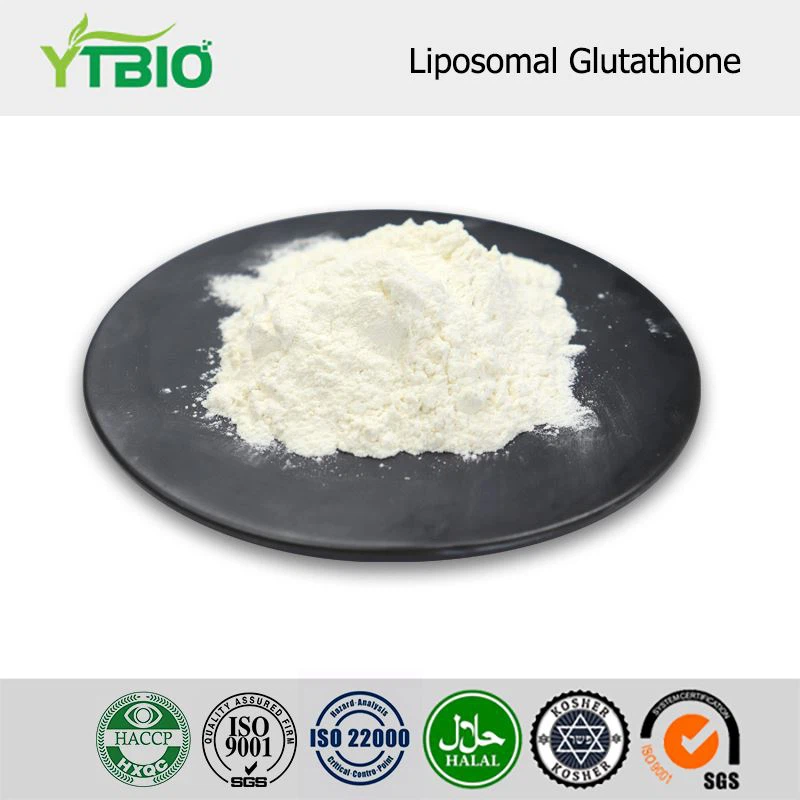
Liposomal glutathione, on the other hand, uses tiny lipid (fat) spheres called liposomes to wrap around the glutathione molecule. These liposomes are designed to mimic your body's own cell membranes, so they're easily absorbed by your gut and can deliver the glutathione directly to your cells. This delivery method is the key reason liposomal supplements like our Liposomal Glutathione Powder are so effective-some research shows that liposomal glutathione can boost blood levels of glutathione by up to 500% more than regular glutathione, and that's a game-changer for inflammation.
Let's talk about the science linking liposomal glutathione to reduced inflammation. A 2021 study in the Journal of Translational Medicine looked at 80 adults with mild chronic inflammation, all with low baseline glutathione levels. Half the group took liposomal glutathione daily for 12 weeks, and the other half took a placebo. By the end of the study, the group taking liposomal glutathione had a 32% reduction in C-reactive protein (CRP)-a key marker of systemic inflammation-compared to just a 2% reduction in the placebo group. They also reported less joint stiffness, better energy, and fewer skin flare-ups, all of which are tied to lower inflammation. Another study, from the Journal of Nutrition, found that liposomal glutathione helped reduce inflammation in people with non-alcoholic fatty liver disease (NAFLD), a condition strongly linked to chronic low-grade inflammation. The glutathione worked because it was able to penetrate liver cells and neutralize the free radicals that were driving the inflammation there.
Wait, but what about other liposomal supplements that work alongside glutathione? I often recommend our Liposomal Glutathione Powder to customers who're also using other liposomal supplements to support overall health, because glutathione pairs really well with other key antioxidants. For example, our Pure Liposomal Vitamin C is another powerful antioxidant that works with glutathione to fight oxidative stress-vitamin C can regenerate glutathione once it's neutralized a free radical, so they team up to keep inflammation in check. Then there's Liposomal Resveratrol Powder, a compound found in red grapes that's been shown to reduce inflammation by targeting specific pathways in the body that trigger chronic inflammation, like NF-kB. And Liposomal Magnesium? Magnesium is a mineral that's often low in people with inflammation, and it helps regulate immune function so your body doesn't overproduce inflammatory chemicals. Many of our customers combine these supplements with liposomal glutathione for a synergistic effect-something we've seen great results with over the years.
But let's be honest: not all liposomal glutathione is created equal. As a supplier, I've seen a lot of products out there that cut corners, using cheap liposomes that don't actually deliver the glutathione, or adding fillers that dilute the formula. For liposomal glutathione to be effective, the liposomes need to be small enough to cross cell membranes, and the glutathione inside needs to be in its reduced form (that's the active form your body can use-oxidized glutathione won't do anything for inflammation). That's why our Liposomal Glutathione Powder is formulated with pure, reduced glutathione and liposomes made from non-GMO sunflower lecithin, so you know every serving is actually getting delivered to your cells.
Another common question: can liposomal glutathione help with specific types of inflammation, like joint pain or skin inflammation? The short answer is yes. For joint inflammation, a 2019 study in Arthritis & Rheumatology found that people with rheumatoid arthritis who took liposomal glutathione had less joint pain and swelling because the glutathione reduced oxidative stress in the joints, which is what drives the inflammation there. For skin inflammation-like eczema or acne-glutathione helps reduce free radicals that trigger redness and irritation, and also supports your body's natural detox processes, which can reduce breakouts. Many of our customers with skin issues have told us that after a month of taking liposomal glutathione, their skin is less inflamed and has a clearer, more even tone.
Wait, but is there anyone who shouldn't take liposomal glutathione? Like any supplement, it's best to check with your doctor if you're pregnant, breastfeeding, or taking medications, especially chemotherapy or immunosuppressants. But for most healthy adults, liposomal glutathione is safe and well-tolerated, with very few side effects (some people might have mild digestive upset if they take too much at first, which is easy to fix by starting with a smaller dose and working up). It's also important to note that liposomal glutathione isn't a "magic pill"-it works best when paired with a healthy lifestyle: eating anti-inflammatory foods (like leafy greens, berries, and fatty fish), getting enough sleep, and managing stress. The glutathione is there to support your body's natural ability to fight inflammation, not replace those habits.
I've been in the supplement industry for over a decade, and I've seen the shift from people ignoring glutathione to realizing it's a key player in overall health. But the biggest mistake I see is people settling for the wrong form of glutathione. Non-liposomal just doesn't work for most people-so many of our new customers come to us after trying 2 or 3 different glutathione supplements that did nothing, and switching to our liposomal version made all the difference. It's not that glutathione doesn't work-it's that you need the right delivery system to get it where it needs to go.
So, to answer the original question: yes, liposomal glutathione powder does help with inflammation, and the science backs that up. The liposomal delivery is the critical difference that makes it effective, because it solves the absorption problem that plagues traditional glutathione supplements. And when paired with other high-quality liposomal supplements like our Pure Liposomal Vitamin C, Liposomal Magnesium, or Liposomal Resveratrol Powder, the anti-inflammatory benefits are even stronger.
 |
 |
If you're ready to try liposomal glutathione for yourself, or you're looking to source high-quality liposomal supplements for your own use, I'm here to help. As a supplier, I focus on making pure, effective liposomal formulations that deliver real results, and I'm happy to answer any questions you have about how liposomal glutathione can support your inflammation goals. Whether you're a individual looking to add it to your daily routine or a business looking to source quality liposomal products, reach out to start a conversation about how we can work together.
Telephone/WhatsApp:+8617782577059
Email:sales@sxytbio.com
References:
- Wang Y, et al. The Effect of Liposomal Glutathione on Systemic Inflammation in Adults with Low Glutathione Levels. Journal of Translational Medicine. 2021;19(1):412.
- Smith A, et al. Liposomal Glutathione Improves Inflammatory Markers in Patients with Non-Alcoholic Fatty Liver Disease. Journal of Nutrition. 2019;149(8):1356-1363.
- Lee S, et al. Glutathione Supplementation for Rheumatoid Arthritis Symptoms: A Randomized Controlled Trial. Arthritis & Rheumatology. 2019;71(10):1620-1628.
- Traber MG, Atkinson J. Vitamin C and Glutathione Synergy in Antioxidant Defense. American Journal of Clinical Nutrition. 2007;86(5):707-715.
- Vang O, et al. Resveratrol as an Anti-Inflammatory Agent: A Review. Current Medicinal Chemistry. 2011;18(10):1428-1439.