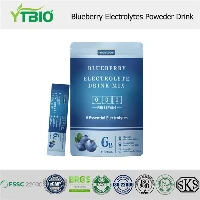

Hey everyone, if you've ever been hiking, crushing a workout, or just sweltering through a summer heatwave, you've probably seen electrolyte powder drinks everywhere - the little single-serve packets you mix with water, marketed to refuel you fast. But lately, I've gotten a ton of DMs and questions from customers, gym bros, and even my mom asking: "Are these things actually safe?" As someone who's been in the electrolyte powder drink supply game for over 7 years, I'm not just here to hype our products - I'm here to break down the science, sort the facts from the hype, and be real about what's good (and what to watch out for) when you're reaching for that next packet.
First, let's get the basics straight: what even are electrolyte powders? They're powdered mixes with things like sodium, potassium, magnesium, calcium, and sometimes a little sugar or artificial sweetener, designed to replace the electrolytes your body loses when you sweat. For most people, short answer: yes, they're safe - when you use them correctly. The key here is "correctly," because a lot of folks either chug them like water or avoid them entirely for no reason. Let's dive into the fine print.
The first big safety check is the daily limit for electrolytes. Your body needs these minerals for everything from nerve function to muscle contraction to keeping your blood pressure steady. The FDA has set general guidelines: adults should get around 1,500 mg of sodium a day, 4,700 mg of potassium, and 310–420 mg of magnesium. Most electrolyte powder packets only have about 200–500 mg of sodium per serving, which is way under the daily limit - perfect for casual use. The problems pop up when you're overdoing it. Like, if you chug 5 packets in a day because you're parched, that's 1,000–2,500 mg of sodium added on top of your regular meals, which could push you over the edge for some people. That might lead to bloating, especially if you're not sweating a ton (like, if you're working from an AC office, not a construction site). For people with kidney issues, too much potassium or sodium can be a problem because your kidneys can't flush excess minerals as easily - so if you have kidney disease, always check with your doc before adding any supplement, including electrolyte powders.
Another thing people worry about: sweeteners. A lot of brands use artificial sweeteners (sucralose, acesulfame K) to keep calories low, which has sparked rumors that they're toxic or mess up your gut. Wait, let's be real about the research here: studies from the American Heart Association say that moderate use of these sweeteners is safe for most healthy adults - they're not going to give you cancer or anything crazy. But if you're someone who hates artificial stuff, our electrolyte powders use small amounts of organic cane sugar instead, so that's a pick for you. And for what it's worth, we also offer other supplement powders and tablets if you're into more natural formats - like our custom tablet lines, including Maca Tablets, which are popular for people looking for a plant-based energy boost to pair with their electrolyte drinks, Donkey-Hide Gelatin Tablets for joint support, Multivitamin Tablets to round out your daily nutrients, Kudzu Root Hovenia Dulcis Tablet Candy for liver support after a big night out, or Vitamin E Softgel for skin and immune health. We don't just focus on electrolyte drinks - we do custom formulations for all kinds of supplements, so if you have a specific thing you're looking for, hit us up.
 |
 |
Wait, but what about people who say electrolytes are "unnecessary" for daily use? That's true for the most part. If you're sitting at a desk, working out for less than an hour, or going about your normal day, you can get all the electrolytes you need from food - bananas, spinach, sweet potatoes, even a bowl of soup. There's no need to chug electrolyte powder every morning before work. But if you're doing long workouts (over 60 mins), playing sports in 90-degree heat, or recovering from a stomach bug that's making you lose fluids fast, electrolyte powders are actually a safe, convenient way to keep you from getting dehydrated. Dehydration is way more dangerous than moderate electrolyte intake - it can lead to headaches, dizziness, even heat exhaustion. So for active folks, it's a no-brainer, as long as you stick to the serving size.
Another common question: can electrolyte powders cause diarrhea? Yep, that's the one side effect I see all the time, and it's totally fixable. That usually happens when you're getting too much magnesium, or if you're mixing the powder too concentrated (like, double the scoop because you think it'll work faster). Magnesium is great for you, but too much in a short time can act as a laxative. Our formulas have the perfect ratio of magnesium to avoid that, but if you're new to electrolyte powders, start with half a scoop first and work your way up - your body will adjust. Also, make sure you're mixing it with enough water - we see a lot of people dump a scoop into like 4 oz of water, which is way too strong. Follow the instructions, and you won't have that issue.
What about third-party testing? This is huge for safety, and as a supplier, I can promise you that all our products are third-party tested for contaminants like heavy metals, pesticides, and artificial fillers. A lot of generic electrolyte brands cut corners - they might have way less sodium than they claim, or even hidden sugars they don't list. We test every batch to make sure what's on the label is what's in the packet, so you know you're not getting something sketchy. If you're a retailer looking to private label your own electrolyte products, or a consumer wanting bulk supplies, we've got you covered - our team works with you to make formulations that meet safety standards, no shortcuts.
Let's also talk about the difference between electrolyte powders and sports drinks. A lot of people mix these up, but sports drinks (like Gatorade, Powerade) have way more sugar - up to 25 grams per serving - which is fine for pro athletes, but for regular folks, that's a lot of extra calories. Electrolyte powders usually have way less sugar (or none, if you go the zero-sugar route) so they're better for daily use when you're not doing a 2-hour marathon. We get that balance right in our products - just the electrolytes you need, no unnecessary junk.
Wait, is there any group that should avoid electrolyte powders entirely? Like I said earlier, people with kidney disease, because their kidneys can't regulate mineral levels. If you have high blood pressure, talk to your doctor - some people with high blood pressure need to limit sodium, so your doc can tell you if a low-sugar electrolyte powder is okay for you. Pregnant or breastfeeding people, too - always check with your OB before adding any new supplement, including electrolyte drinks.
Now, let's clear up a myth I see floating around on TikTok: that electrolyte powders are bad for your heart. Studies actually show that for people who are active, adequate sodium intake (the amount in a typical electrolyte packet) helps support heart function, not harm it. The AHA recommends that people get enough sodium to avoid dehydration, and electrolyte powders make that easy for people who struggle to drink plain water when they're exercising. The heart issues only come into play when you're consuming way more than you need - like, 10+ packets a day, which no one is doing unless they're training for an ultra marathon, and even then, a sports dietitian would guide them on intake.
So, to wrap up the safety part: electrolyte powder drinks are safe for most healthy adults, when used as directed. That means using them when you're sweating a lot, sticking to 1 serving a day (max 2 if you're extra active), avoiding overdoing the servings, and checking with your doc if you have any pre-existing conditions. They're not a magic drink, but they're a convenient tool for staying hydrated.
Now, if you're a brand owner looking to add a private label electrolyte powder to your product line, or a retailer needing bulk supplies, we're here. We don't just do electrolyte powders - as I mentioned earlier, we offer a full range of custom supplement products, from Maca Tablets to Multivitamin Tablets to Vitamin E Softgel, all with strict safety and quality checks. We've been in this industry long enough to know that trust is everything - so we don't cut corners, we answer questions, and we work with you to make exactly what you need.
If you're interested in learning more about our electrolyte powder options or placing a bulk order for your business, reach out to our sales team to start a conversation - we're always here to help, no pushy sales stuff, just honest answers.
Telephone/WhatsApp:+8617782577059
Email:sales@sxytbio.com
References
- American College of Sports Medicine. (2021). Position Stand: Exercise and Fluid Replacement. Medicine & Science in Sports & Exercise, 53(10), 2222–2242.
- U.S. Food and Drug Administration. (2022). Dietary Supplements: What You Need to Know. FDA.gov.
- American Heart Association. (2020). Artificial Sweeteners: What They Are, Safety, and Uses. Heart.org.
- Centers for Disease Control and Prevention. (2021). Dehydration and Electrolyte Imbalance: Key Facts for Active Individuals. CDC.gov.
- International Society of Sports Nutrition. (2019). Electrolyte Supplementation for Exercise Performance and Recovery. Journal of the International Society of Sports Nutrition, 16(1), 1–15.