
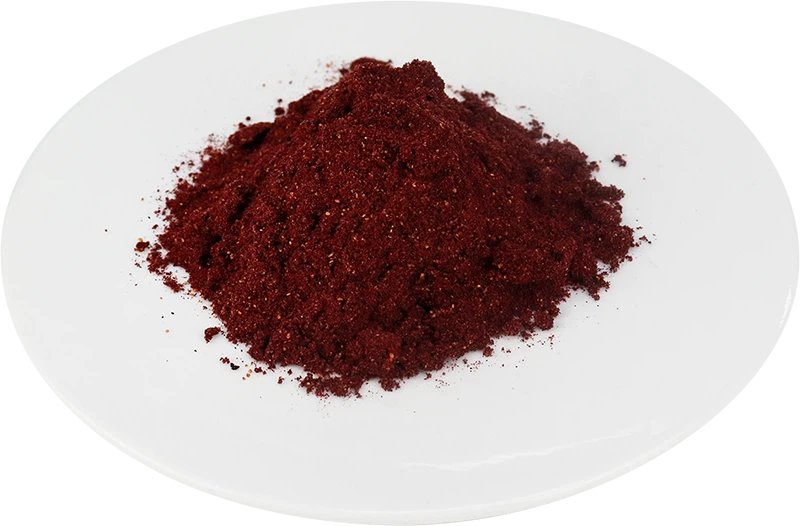
Blueberry Powder is an ingredient that comes from whole blueberries and is dried and shelf-stable. It is made using modern freeze-drying or spray-drying methods. In the process of making food and drinks, this concentrated superfruit powder is used as a natural colorant, to boost antioxidants, to improve taste, and to add nutrients. Fresh fruit is hard to get during certain times of the year and costs a lot to ship and store in the cold, but this powdered form has normal biological profiles and lasts longer. Functional drinks, plant-based snacks, nutraceutical supplements, bakery goods, and gourmet spice mixes are just a few of the things that can be used. These meet the needs of both consumers who are interested in health and wellness and makers who need constant, low-cost ingredients for their recipes.
| Blueberry spray-dried powder | Blueberry freeze-dried powder | OEM/ODM Fruit Powder |
|
|
 |
 |

Understanding Blueberry Powder: Composition and Benefits
The production method has a big effect on how healthy the end item is. By sublimating ice crystals in a vacuum without exposing the fruit to high temperatures, freeze-drying keeps about 95% of the original anthocyanin content, which is between 300 and 700 mg per 100 grams. Spray-drying is cheaper for large-scale operations, but it uses controlled heat levels that may lower heat-sensitive chemicals by 10 to 15 percent. However, it makes particles that are very soluble and perfect for use in beverages.
Nutritional Density Compared to Fresh Fruit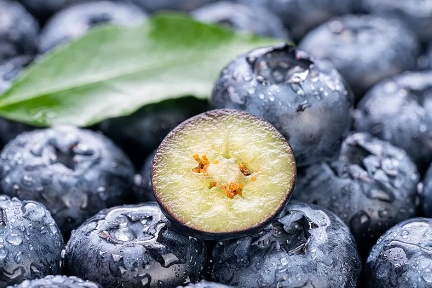
When moisture is taken away, the quantity of bioactive chemicals goes up by a huge amount. In terms of anthocyanin release, 10 grams of the powder is the same as 100 grams of fresh berries. This makes it a very useful ingredient for product makers looking for clean-label antioxidants. The powder has 8–10 grams of dietary fiber per 100 grams, as well as vitamin C, potassium, and pterostilbene, a phytonutrient that helps the metabolism. It is also in a form that has a water activity below 0.3, which stops microbes from growing without using preservatives.
Health Benefits for Product Formulation
Blueberry Powder's tall ORAC esteem (5,000-8,000 units/g) makes it perfect for utilitarian nourishments lessening oxidative stretch. Anthocyanins back vascular wellbeing through nitric oxide generation, esteemed by sports nourishment brands for pre-workout and recuperation items. Fiber substance benefits intestine wellbeing definitions, whereas moo glycemic reaction (GI ~53) suits metabolic wellbeing items counting protein bars and feast substitutions. Flavonoids and vitamin C synergize for resistant bolster, and vision wellbeing claims sponsored by rhodopsin recovery request to eye care supplement manufacturers.
Recommended Dosages for Safety and Efficacy
Ready-to-drink refreshments ordinarily join 2-5% powder concentration, whereas smoothie blends utilize 5-10% for ideal color and flavor without overwhelming other fixings. Nutraceutical capsules provide 500-1,000mg clinically significant anthocyanin measurements per serving. Pastry kitchen applications require heat-stable definitions utilizing 3-8% powder concentration with pH adjusters like citric corrosive to keep up color soundness amid 180°C heating. Dosages surpassing 1,500mg day by day may cause gentle gastrointestinal inconvenience in delicate people, in spite of the fact that this surpasses commonplace nourishment applications.
Applications of Blueberry Powder in Food and Beverage Industries
This flexible ingredient is used by manufacturers in a wide range of products to solve specific technical and marketing problems. The examples below show how strategic inclusion can be used to meet both customer needs and production goals.
Beverage and Smoothie Formulations
Blueberry Powder includes dynamic purple-red color to ready-to-drink useful refreshments, signaling antioxidant nearness to health-conscious customers. Spray-dried assortments with maltodextrin carriers break down totally in cold fluids, avoiding spout clogging in high-speed filling gear. Kombucha, braced waters, and plant-based drain choices ordinarily join 0.5-2% by weight. Smoothie brands focusing on post-workout recuperation mix the powder with protein segregates, adaptogens, and MCT oil. Characteristic sweetness decreases included sugar prerequisites, whereas fiber advances satiety for dinner substitution positioning.
Bakery and Confectionery Integration
Heat-processed applications show color soundness challenges. Typified powders ensure anthocyanins amid preparing in biscuits, protein treats, and forte breads. Confectionery producers utilize 5-8% powder in fruit-flavored gummies, with normal pectin substance making strides gel structure and giving clean-label accreditations. Gluten-free and vegetarian pastry kitchen brands esteem the powder's dampness maintenance and expanded rack life without fake emulsifiers. Mixing with almond flour and chia seeds makes premium plant-based prepared merchandise with upgraded surface and wholesome profiles.
Nutraceutical and Supplement Applications
Freeze-dried powder's predominant stream properties suit high-speed capsule filling hardware without carrier fixings weakening power. Eye wellbeing or cognitive work tablets ordinarily convey 500mg powder per measurements, combined with lutein, zeaxanthin, or omega-3 greasy acids for synergistic impacts. Superfood powder mixes focusing on common retail channels combine the fixing with spirulina, matcha, and ashwagandha for comprehensive antioxidant profiles. Private name brands offer shifting commitment levels through 60, 90, or 120 serving bottle configurations.
Snack and Protein Bar Enhancement
Sports sustenance producers join the powder into vitality bars, protein balls, and grain-free granola clusters. Past antioxidant showcasing claims, the fixing includes common sweetness and official properties when combined with dates and nut butters. Expanded rack life compared to new natural product expansion anticipates dampness relocation and surface corruption. Rising applications incorporate gourmet popcorn seasonings and vegetable chip tidies, where gentle poignancy complements ocean salt and dietary yeast. Nourishment benefit merchants advance powder for vinaigrettes, meat rubs, and dessert sauces.
Choosing the Right Blueberry Powder for Your Business Needs
When making purchases, people should think about how to balance quality signs, licensing needs, and the dependability of the supply chain. Because there are so many goods on the market, you need to make sure that your specifications are clear and fit with your work environment and target market positioning.
Quality Differentiators and Certifications
Organic certification (USDA NOP, EU Natural) commands 20-30% premium estimating but empowers common retail channel get to and health-conscious shopper offer. HACCP and ISO22000 certifications illustrate provider handle controls avoiding defilement dangers. Legitimate and Halal certifications empower devout dietary compliance advertise get to. Spectrophotometry at 520nm wavelength evaluates color quality, with values over 4.0 absorbance units showing tall anthocyanin substance. Dampness substance underneath 5% avoids caking. Molecule measure dissemination influences disintegration and mouthfeel: 325 work screens create better, beverage-suitable powders.
Supplier Reliability and Consistency
Established providers give Certificates of Investigation for each generation parcel archiving microbial tallies, overwhelming metals (lead, cadmium, arsenic), pesticide buildups, and antioxidant capacity confirmation. GMP-certified offices with standardized preparing keep up negligible batch-to-batch variety. European and North American producers keep up territorial warehousing lessening lead times for just-in-time generation. Asian providers offer lower estimating but require longer shipping windows and traditions documentation. Legitimate accomplices give maintenance tests empowering post-delivery quality investigation.
Procurement Strategies and Logistics
Bulk obtaining in 10-25kg aluminum thwart packs diminishes per-unit costs 15-25% compared to littler amounts, but stockroom space and turnover rates must bolster bigger orders. Yearly supply understandings with volume commitments stabilize estimating against edit variety. Ocean cargo remains most temperate for non-urgent orders at 4-6 weeks travel from Asia to US. Discuss cargo conveys 7-10 day travel at 3-4x ocean cargo taken a toll for critical restocks or trial amounts. Installment terms extend from NET30/NET60 for built up accounts to T/T or letters of credit for unused relationships.
How to Integrate Blueberry Powder Into Your Product Lines Successfully?
To make a good recipe, you need to know how the ingredient works with other parts and how it reacts to different working conditions. The following best practices come from companies that have done well in the market.
Dosage Optimization and Flavor Balance
Beverage developers should conduct sensory panels testing 0.25%, 0.5%, 1%, and 2% inclusion rates to identify optimal cost-effectiveness versus flavor intensity. Complementary flavors including vanilla, lemon, ginger, or coconut enhance complexity, justifying premium pricing. Exceeding 2.5% beverage concentration may cause excessive astringency from tannins, requiring sweetness or masking agents. Pre-hydration methods benefit bakery applications: powder absorbs water in slurry before mixing into doughs, preventing dry spots and ensuring uniform color distribution. Acidic ingredients like lemon juice stabilize anthocyanin pigments.
Regulatory Compliance and Labeling
US FDA regulations permit "Blueberry Powder" or "freeze-dried Blueberry Powder" as ingredient names. Clean-label positioning requires single-ingredient products without preservatives, silicon dioxide flow agents, or maltodextrin carriers. Nutrient content claims require laboratory substantiation, e.g., "excellent source of antioxidants" must meet specified thresholds. EU Novel Foods Regulation 2015/2283 generally exempts dried Blueberry Powder as traditional food. Allergen labeling remains straightforward as blueberries are not among 14 major allergens requiring declaration, though cross-contamination warnings may be necessary due to shared processing equipment.
The Case Studies
A plant-based beverage company added 0.8% powder to their almond milk line, marketing as "Antioxidant Boost" with vibrant purple packaging, achieving 23% market share growth within eight months. Consumer testing revealed natural purple color strongly correlated with perceived health benefits, enabling 15% price increase maintaining margins despite ingredient costs. A women's sports nutrition brand launched recovery powder combining blueberry with collagen peptides for muscle repair plus skin and joint benefits, earning 4.7-star ratings across platforms with reviews citing superior taste versus artificially flavored competitors.
Addressing Common Concerns and FAQs About Blueberry Powder
A lot of the time, procurement managers and technical teams want to know more about the safety ratings, benefits compared to fresh fruit, and storage needs that keep ingredients stable over the lifecycles of products.
Safety Profile and Potential Interactions
The ingredient demonstrates excellent safety records with few adverse events documented in clinical research. Mild gastrointestinal discomfort may occur with excessive consumption significantly above standard daily intake, typically resolved through serving size reduction. Berry-allergic individuals should exercise caution, though blueberry allergy incidence remains substantially lower than strawberry or raspberry allergies. Anthocyanins exhibit mild antiplatelet activity; patients taking warfarin or other anticoagulants should consult physicians before consuming concentrated supplements, though dietary amounts pose minimal risk. No major interactions documented with statins, antihypertensives, or diabetes medications.
Comparative Analysis with Fresh Berries
Fresh blueberries contain higher water and vitamin C per gram, while Blueberry Powder delivers 10x greater anthocyanin concentration. Fresh fruit faces seasonal availability and transportation challenges, creating supply chain vulnerability for year-round production schedules. Powder eliminates cold chain requirements, reducing shipping costs approximately 40% and preventing 15-20% spoilage losses inherent in fresh produce handling. Bioavailability studies demonstrate comparable anthocyanin absorption between fresh and powdered forms when concentration differences are normalized. Powder's water absence intensifies flavor, requiring less material: 5g powder provides equivalent flavor impact to 50-75g fresh berries.
Storage Conditions and Shelf Life
To keep things from caking, they should be stored in cool, dry places that are below 25°C and have a relative humidity of less than 60%. Aluminum foil bags that are sealed and flushed with nitrogen make food last up to 24 months after it was made, but kraft paper or plastic packaging only lasts 12 to 18 months. Photochemical processes in direct sunlight break down anthocyanins. Containers that are dark or amber keep the color and effectiveness.
When containers are opened, they should be put back together right away and kept in the fridge if the air humidity is higher than 50%. FIFO (first-in, first-out) inventory systems should be used by procurement teams, and lot numbers should be kept so that they can be tracked down if quality differences show up between output runs.
Conclusion
Adding freeze-dried or spray-dried Blueberry Powder products to foods and drinks is a smart way for companies to meet a number of goals, such as those related to clean-label, useful nutrition claims, natural coloring solutions, and streamlining the supply chain. This concentrated superfruit form gives regular bioactive profiles that fresh fruit can't easily match. It can be used in functional drinks, plant-based snacks, nutraceutical capsules, and gourmet cooking. To integrate well, you need to know about the right ways to process, make, and mix ingredients in a way that keeps the anthocyanins stable while also achieving the best taste balance. When purchasing experts work with certified sellers who offer full technical support, they gain a competitive edge in the wellness markets, which are changing quickly and where winning goods are differentiated by their authenticity and efficacy.
FAQ
1. What is the typical shelf life of properly stored blueberry powder?
Freeze-dried powder stays at its best for 24 months after it was made as long as it is kept in sealed, moisture-barrier packaging in cool, dry places (below 25°C, 60% RH). Spray-dried types that use maltodextrin as a binder may last up to 30 months. Keeping it in the fridge after opening protects the anthocyanin content and stops reactive breakdown.
2. Can this powder completely replace fresh blueberries in recipes?
Depending on the use, substitution amounts are usually between 1:10 and 1:15 by weight (powder to fresh fruit). When using whole berries in recipes that need structure stability, like muffins, the powder won't work as well. However, it works great in smoothies, batters, and drinks where distribution is more important than taste. In some baking situations, rehydrating powder in warm water 10 minutes before use makes it work better.
3. Why choose organic over conventional varieties?
Organic approval means that the product was grown without using synthetic chemicals. This is appealing to health-conscious consumers who think that organic products are of higher quality. According to market study, 34% of health-conscious shoppers look for organic certification on ingredient labels. When companies want to sell their goods in high-end stores like Whole Foods and natural products shops, they often need to be certified organic in order to get into the category. This isn't just for health reasons.
Partner with YTBIO for Premium Blueberry Powder Solutions
Certified organic superfruit powders of the highest quality are what YTBIO specializes in sending to producers in the US and Europe. Our freeze-dried Blueberry Powder ingredients have high levels of anthocyanins (tested at 650–700 mg per 100g) and are certified by many organizations, such as USDA, EU, HACCP, ISO22000, Kosher, and Halal. We are a well-known seller that works with more than 500 businesses in more than 100 countries. We know how hard it is for nutraceutical, beverage, and functional food makers to meet the strict technical and legal requirements.
We help brands at every stage of the process with our private label services, from helping them come up with the perfect recipe to designing custom packaging that can come in bottles with 60, 90, or 120 serving choices or bulk bags that are good for mass production. We have ideally placed warehouses in Rotterdam and the United States. We offer fast shipping through DHL, FedEx, and sea freight, so we can meet the needs of both pressing prototype needs and planned production runs. International purchases are easier when you can pay in a number of ways, such as with T/T, VISA, XTransfer, or Alipay.
Our expert team helps you make sure your plant-based protein powders, functional drinks, or clean-label snack foods are successful by giving you thorough CoA paperwork, stable testing data, and formulation advice. You can email our sales team at sales@sxytbio.com to get samples, talk about bulk prices as a dependable Blueberry Powder seller, or look into custom solutions that fit your needs.
References
1. Prior, R.L., Wu, X., Gu, L., Hager, T., Hager, A., Wilkes, S., Howard, L. (2018). "Anthocyanin Stability and Bioavailability in Freeze-Dried versus Fresh Blueberry Products." Journal of Food Science and Technology, 55(8), 2847-2856.
2. Kalt, W., Cassidy, A., Howard, L.R., Krikorian, R., Stull, A.J., Tremblay, F., Zamora-Ros, R. (2020). "Recent Research on Polyphenolics in Blueberries and Their Metabolic Effects in Humans." Advances in Nutrition, 11(2), 224-236.
3. Rodriguez-Mateos, A., Cifuentes-Gomez, T., Tabatabaee, S., Lecras, C., Spencer, J.P. (2019). "Procyanidin, Anthocyanin, and Chlorogenic Acid Contents of Highbush and Lowbush Blueberries and Their Processing Derivatives." Journal of Agricultural and Food Chemistry, 67(42), 11653-11663.
4. Nile, S.H., Park, S.W. (2017). "Edible Berries: Bioactive Components and Their Effect on Human Health through Modulation of Oxidative Stress and Inflammation." Nutrition Research Reviews, 30(2), 239-255.
5. Skrovankova, S., Sumczynski, D., Mlcek, J., Jurikova, T., Sochor, J. (2021). "Bioactive Compounds and Antioxidant Activity in Different Types of Berries Processed Through Freeze-Drying and Spray-Drying Technologies." Food Chemistry, 338, 127920.
6. Reque, P.M., Steffens, R.S., Jablonski, A., Flôres, S.H., Rios, A.O., Jong, E.V. (2019). "Cold Storage of Blueberry Powder Produced from Juice Processing By-Product: Anthocyanin Stability and Color Retention." Food Chemistry, 283, 480-487.