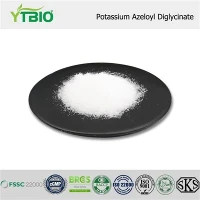
Azelaic acid is a new and important skin care agent. It helps fight germs, lowers inflammation, and stops melanin from being made, so it works well to treat acne, rosacea, and discoloration. Grains like barley and wheat naturally contain this dicarboxylic acid. It's good for your face and can be found in a lot of skin care products. It works slowly and doesn't hurt the top layer of skin like stronger options do. For this reason, it's great for companies that want to use safe products that really work.
Understanding Azelaic Acid: Definition and Mechanism of Action
Another name for azelaic acid is nonanedioic acid (C9H16O4). This is a strong dicarboxylic acid with an aliphatic chain made up of seven carbon atoms. This white powder has a CAS number of 123-99-9 and a molecular weight of 188.22. It comes from wheat, barley, and rye. It is not the same as glycolic or salicylic acid, which are also used to get rid of dead skin, because of how their molecules are made.
Natural Origin and Chemical Structure
There are two ways that the element's unique shape can help heal at the same time. Alpha-hydroxy acids mostly get rid of dead skin cells. This dicarboxylic acid, on the other hand, treats skin problems where they start, in the hair shafts. When everything is fine, the mix can make both alpha and beta crystals. Because of this, the people who made it can use it in many ways for formulations.
Multi-Targeted Mechanism of Action
This part of the recipe works in three main ways. Cutibacterium acnes (formerly Propionibacterium acnes) can't grow because it kills germs. This helps keep acne under control for a long time. To reduce swelling, it changes a protein known as peroxisome proliferator-activated receptor gamma (PPARγ). These shield the body from chemicals that make inflammation happen, which can be brought on by UVB rays in the air. The third way stops tyrosinase from doing its job, which lowers the production of melanin right away. This is why it works so well to treat melasma and swelling from inflammation.
Keratolytic Properties Without Barrier Damage
This ingredient, Azelaic Acid, is unique because it breaks down skin cells in a gentle way. This helps cells change in a healthy way that doesn't harm the skin's defenses and restores keratinization. It really stops 5α-reductase from doing its job, which is to change testosterone into DHT, according to research. This decides how much grease is made at the molecular level. This method is great for skin care companies that need to treat more than one route at the same time because it has a lot of steps.
Azelaic Acid in Clinical and Cosmetic Applications
Scientists have proven that the ingredient does what it says it will do, so businesses can be sure of what they say in their ads. It is suggested as the first treatment for papulopustular rosacea and inflamed acne by dermatologists all over the world. It's in the same group as other well-known medicines, but it's simple to use.
Acne Treatment: Clinical Efficacy
Amounts of 15 to 20 percent work at an expert level to treat acne. Amounts between 5 and 10 percent are good for daily skin care. It helps acne in several ways: it gets rid of comedones by breaking down sebum and keratin plugs, it stops new breakouts by restoring normal follicular keratinization, it lowers inflammation by changing PPARγ, and it keeps sebaceous glands from becoming unstable. There have been tests that show it works just as well as benzoyl peroxide. It also doesn't bleach, dry out, or make skin sensitive to light, which is great for consumer satisfaction.
Rosacea and Sensitive Skin Solutions
For people with rosacea, this chemical is especially helpful because it lowers swelling. More than metronidazole or sulfur-based drugs, it helps the barrier work better. It also helps with both the heat and inflammation of the papules and the background erythema. You can use this if you have sensitive skin that can't handle retinoids or strong hydroxy acids. It won't hurt your skin too much. The use of this ingredient is safe for companies that want to make products for the growing market for rosacea products. It helps treat rosacea without making skin more sensitive.
Hyperpigmentation and Skin Tone Correction
There was a test between this drug and 4% hydroquinone to see how well it helps melasma. It works as well as or better than hydroquinone, but it doesn't come with any risks. Tyrosinase, an enzyme that slows down melanogenesis, is inhibited by this ingredient. This is what makes the process work. Because of this, it's great for evening out skin tone, getting rid of sun spots, and making acne scars lighter. It can fade existing color and stop the production of new melanin. Because of this, it is a safe and good choice for skin-brightening products that are made for a wide range of people.
Best Practices: How to Use Azelaic Acid Products Effectively?
You should know how to use and make something good if you want to make it. Making things needs to find a balance between how well the things work and how easy it is for people to use and buy them again.
Concentration Guidelines for Different Applications
Most formulations that can be used in medicine have between 15 and 20 percent active ingredient and need to be overseen by a professional. Over-the-counter skin care solutions, on the other hand, only use 5–10%. This form dissolves in 60% water, so the right amount can be used in lotions and serums that are made with water. Their most flexible form is the 98% pure powder, which can be used to make dry or oil-based recipes. Manufacturers should find out what the rules are in the country where they want to sell their goods before they choose the concentration level. Some regions classify higher concentrations as drugs.
Formulation Synergies and Combinations
It's clear because Azelaic Acid works well with other ingredients. It works better to reduce inflammation and speed up mending when mixed with niacinamide. It also lowers the risk of irritation. Adding retinol to it can help with both acne and anti-aging, but the company that makes it should teach users how to add new ingredients slowly. Different types of probiotics, such as Lactobacillus types, work together to keep the skin's microbiome in check and keep it from becoming sensitive. These tactics can be used together to help brands make goods that stand out and are a better deal.
Safety Profile and Consumer Considerations
It is safer than many other ingredients that work. It's safe for pregnant or nursing women to use because it doesn't change DNA or carry teratogenic risks. The market will benefit from this. Hydroquinone is bad for your health in the long run, and retinoids make your skin sensitive to light. This means you can use it all year without needing extra sun protection. It might sting, burn, or feel a little dry the first time you use it. In two weeks, these effects should go away as the skin acclimates. There should be clear directions on how to use the products, and users should be encouraged to do patch tests and gradually increase use frequency.
Market Comparisons and Procurement Insights
Before you buy something, you should learn a lot about the supply chain and the different markets. It's clear that this ingredient is better than others, which is why high-end goods use it.
Comparative Analysis with Alternative Actives
To make skin smoother, this ingredient works in a softer way than glycolic acid. It doesn't damage the barrier, so it can be used in skin care products for sensitive skin. It's better than salicylic acid's beta-hydroxy process because it reduces inflammation and stops melanin production, which do more than just clean out pores. Hydroquinone and this acid work pretty much the same way for pigmentation, but this ingredient doesn't harm cells or cause discoloration to happen again. This multifunctional profile helps when formulating and is skin-friendly in many ways. The cost of research and the number of products needed go down.
Product Form Selection for Manufacturing
It's important that the things bought fit the recipes and things that can be made. When mixed with high-tech tools that can micronize and steady solutions, high-purity powder (98% assay) can work well for businesses. To use this form, you need to know a lot about controlling particle size and getting particles to spread out. It lets you make the formula in the most ways. The 60% water-soluble variant makes it easy to mix things that are mostly water. This makes serums, toners, and light creams come out faster. When manufacturers choose the types of raw materials, they should think about the tools they have, the styles they want to make, and their own technical skills.
Sourcing Strategy and Quality Assurance
Reliable suppliers should have HACCP, ISO9001, ISO22000, HALAL, KOSHER, and FDA approval in order to sell their goods in other countries. With HPLC purity analysis, you can be sure that each batch is consistent. This makes sure that the product always works well and meets the rules. Tests of the particle size distribution show that the particles are spread out evenly. It is made up of particles that are about 671 nm in size on average for optimal skin penetration and sensory properties. Procurement managers should work with sellers who can help them, give clear certificates of analysis, and send their goods on time-usually within 1 to 3 days for materials that are in stock.
Strategic Recommendations for B2B Procurement
When companies make Azelaic Acid products, they should think about how well it fits with current market trends. People who are vegan, plant-based, or interested in nutrition increasingly want products that are easy to understand and backed by science. Because Azelaic Acid is well established in dermatological research and can be derived from natural sources such as grains, it aligns with the clean beauty trend. In addition, scientific studies support its effectiveness, which strengthens consumer trust and market acceptance.
Investment Rationale and Market Positioning
There are more and more chemicals in skin care that can do more than one thing on the world market. These things make it easy to follow recipes and get measurable results. There is only one active ingredient in this product that helps with acne, rosacea, and uneven skin tone. This cuts down on the cost of research and development and makes it easy to simplify formulations. People who don't get enough help with acne can use it because it's safe for pregnant women and works on sensitive skin. When brands put this ingredient in their professional skin care lines, it gives them a big edge over their competitors.
Minimum Order Quantities and Supply Chain Planning
Small to medium-sized makers can use the usual minimum order amount of 25kg in barrel packing. This amount gives them some freedom in how they keep track of their stock. You can make a good amount of things at this level, given how fresh the elements are. If a bigger company buys more than one barrel at a time, they might get a better deal. Stock is always on hand, and shipping is fast (1-3 days), so costs are low and output stays steady. You should keep a certain amount of safety stock depending on how often recipes are used and lead times.
Regulatory Compliance Across Markets
The EU and the FDA both agree that Azelaic Acid is used in beauty products. This means you don't have to jump through a lot of legal hoops to sell in other countries. In specialty areas where religious rules are important, you can sell your goods as long as they are HALAL and KOSHER. Brands that want to sell in Korea can get help from providers who have worked with the KFDA before. Manufacturers should make sure that the certifications of their suppliers cover the markets they want to sell to. They should also make sure that the suppliers' compliance is tracked on a regular basis.
Conclusion
Azelaic Acid is essential for companies that make skincare and makeup because it helps inhibit melanin production, has antimicrobial effects, and reduces inflammation all at the same time. Clinical validation shows that it can help with problems like acne, rosacea, and dark spots. It is safer than hydroquinone and strong exfoliants, making it strategically valuable for brands targeting efficacy-conscious consumers. Procurement professionals should focus on suppliers with comprehensive certifications, consistent quality, and technical help to ensure formulations work well and follow the rules. Because it can do more than one thing, this ingredient helps beauty products stand out while reducing development costs.
FAQ
1. Can Azelaic Acid Be Combined with Retinol or Vitamin C?
When added slowly, the ingredient works well with retinol. This lets formulators make full treatments for acne and aging. More antioxidants and brightening effects are added when vitamin C is included, though manufacturers should consider pH optimization to maintain stability. Pairing with niacinamide offers synergistic anti-inflammatory benefits while buffering potential irritation from higher concentrations.
2. What Concentration Range Is Effective for Acne and Pigmentation?
Amounts between 10 and 20 percent are generally enough for acne and pigmentation. Pharmaceutical formulations work well enough at 15-20% to be used as medicine. On the other hand, cosmetic products work well enough at 5-10% for daily maintenance and protection. Procurement teams should make sure that the choices they make are in line with how they want to place the product and the rules of the markets they want to reach.
3. Is Bulk Sourcing Available for Private Label Manufacturing?
Bulk sourcing is available with minimum order quantities of 25kg, packaged in barrels to maintain material integrity. This accommodates private label manufacturers and contract production facilities needing a steady supply for multi-product lines. Suppliers who have stock and can deliver quickly (within 1 to 3 days) can help with keeping track of inventory and changing the production schedule for seasonal or campaign-based launches.
Partner with YTBlO for Premium Azelaic Acid Supply
Pharmaceutical-grade raw materials such as Azelaic Acid are sold by Shaanxi Yuantai Biological Technology Co., Ltd (YTBlO). Companies all over the world that make health foods, vitamins, and other goods need and want these materials. Our high-purity offerings come in two types, including 98% and 60% water-soluble variants. The FDA, HACCP, HALAL, KOSHER, ISO9001, and ISO22000 groups have all approved them, so they can be used anywhere in the world. We can help you get your things quickly so they don't get in the way of your business plans. We have offices in the US and Europe that can ship and store things in transit. Beauty, vitamin, and beverage companies come to us for help choosing the best ingredients for their recipes, whether they are making clean-label sports nutrition products, plant-based food ingredients, or advanced skin care actives. We've been in business for a long time, so we know the procurement challenges facing OEM manufacturers and ingredient distributors. We always have competitive pricing, consistent quality, and responsive service for customers. Email our sales team at sales@sxytbio.com to talk about the materials you need and how YTBlO's work with over 500 industries in over 100 countries can help your product creation and supply chain.
References
1. Draelos ZD, Carter E, Maloney JM, et al. Two randomized studies demonstrate the efficacy and safety of dapsone gel, 5% for the treatment of acne vulgaris. Journal of the American Academy of Dermatology. 2007;56(3):439.e1-439.e10.
2. Fitton A, Goa KL. Azelaic acid: A review of its pharmacological properties and therapeutic efficacy in acne and hyperpigmentary skin disorders. Drugs. 1991;41(5):780-798.
3. Breathnach AS. Melanin hyperpigmentation of skin: melasma, topical treatment with azelaic acid, and other therapies. Cutis. 1996;57(1 Suppl):36-45.
4. Thiboutot D, Gollnick H, Bettoli V, et al. New insights into the management of acne: an update from the Global Alliance to Improve Outcomes in Acne group. Journal of the American Academy of Dermatology. 2009;60(5 Suppl):S1-S50.
5. Verallo-Rowell VM, Dillague KM, Syah-Tjundawan BS. Novel antibacterial and emollient effects of coconut and virgin olive oils in adult atopic dermatitis. Dermatitis. 2008;19(6):308-315.
6. Schaller M, Almeida LM, Bewley A, et al. Recommendations for rosacea diagnosis, classification and management: update from the global ROSacea COnsensus 2019 panel. British Journal of Dermatology. 2020;182(5):1269-1276.