
Introduction:
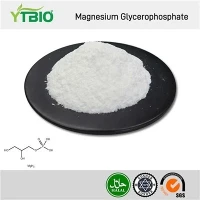
Magnesium is a rich element in the human body, mainly in skeletal muscle and cells, 60% of magnesium in the blood is free, with physiological activity, 30% of magnesium and protein, the remaining 10% with phosphate, citrate and other substances, combined with magnesium can not play physiological activity. The main function of magnesium is to participate in the regulation of the activity of various enzymes, affect the transmission of nerve impulse and maintain muscle irritability. The concentration of magnesium decreases, and the neuromuscular excitability increases. The excessive concentration of magnesium may cause poisoning symptoms. Magnesium glycerophosphate can be an extremely important dietary and nutritional supplement. Magnesium doesn’t naturally exist by itself. Rather it is attached to some type of organic or inorganic acid. Minerals attached to acids are called mineral salts. All forms of magnesium used in dietary supplements provide one or more magnesium salts. In the case of magnesium glycerophosphate, magnesium is attached to glycerol and phosphoric acid (i.e. phosphate). Once the glycerophosphate is cleaved off of the magnesium in the body, not only is the magnesium available for use, but so is the phosphate and the glycerol. Phosphate is the most abundant element in the human body, and phosphate, glycerol and magnesium can be used to help generate ATP. In fact, one molecule of glycerophosphate can be used to produce 19 molecules of ATP after passing through the Krebs cycle.3 Of course this is only meaningful if magnesium glycerophosphate is well absorbed.
Function:
Supply Magnesium
Magnesium glycerophosphate is a mixture, in variable proportions, of magnesium (RS)-2,3- dihydroxypropyl phosphate, and of magnesium dietary supplement taken by those with low levels of the mineral magnesium.
Strengthen Bones and Relieve Nerve
Healthy levels of this mineral help proper digestion and are essential for good nutrition, strong bones and nerve function.
Good for Sleep and Ease Anxiety
Magnesium glycinate/glycerophosphate - best for sleep and anxiety. Magnesium glycerophosphate is ideal for stress relief and sleep. Glycerophosphate has the lowest rate of diarrhea, as compared to other forms of magnesium.
Increase Energy and Recover Muscles
Athletes and professional weightlifters can take magnesium glycerophosphate tablets to increase energy and stamina, while reducing the recovery time of their muscles. Magnesium glycerophosphate can help with weightlifting, running both long and short distances, and many other physical exercises.
Dosage Recommend
Any amount of magnesium that totals 350 mg or less per day is a safe amount for a normal, healthy adult to take. The total amount of magnesium glycerophosphate to take generally depends on the reason it is being taken.
However, migraine sufferers will take a different amount of magnesium than someone looking to increase their overall levels of magnesium.
Application:
Dietary supplement
As an oral magnesium supplement.
In cosmetic products
The main role of magnesium glycerophosphate is in cosmetics and skin care products as a skin conditioner. The risk factor is relatively safe, can be used with confidence, and generally has no effect on pregnant women. Magnesium glycerophosphate does not cause acne.

Comparison of several forms of magnesium
Magnesium must be delivered in a bioavailable form that’s easy for the body to absorb. Certain forms of magnesium are best suited for sleep and anxiety, while others are more helpful for headaches or constipation. The main forms of magnesium are outlined below.
Magnesium glycinate/glycerophosphate - best for sleep and anxiety. Magnesium glycerophosphate is ideal for stress relief and sleep. Glycerophosphate has the lowest rate of diarrhea, as compared to other forms of magnesium. Magnesium citrate/ sulfate - helpful for constipation, and is commonly administered as a saline laxative before surgery. Magnesium malate - highly absorbable form; helpful with headaches, heartburn, depression, and upset stomach.
Research:
Oral magnesium glycerophosphate is a form of magnesium that can be swallowed as a liquid or pills (these are known as oral medicines). By making more magnesium available for absorption, supplementation aims to increase the amount of magnesium taken up by the body. In addition, it can be used for the treatment of patients with chronic magnesium loss or hypomagnesaemia as diagnosed by a doctor. Magnesium glycerophosphate is also indicated for adult patients with hypomagnesaemia due to the concomitant administration of loop and thiazide diuretics or other drugs which cause hypomagnesaemia.However,it is not currently licensed in the UK for use in any condition. Therefore using oral magnesium glycerophosphate in the UK to prevent hypomagnesaemia from coming back in people who have previously been treated for this condition with a magnesium drip is described as 'unlicensed'. Other forms of oral magnesium are available in the UK, but none of them is licensed to be used for preventing people who have had hypomagnesaemia from developing the condition again.
1.Developing a novel magnesium glycerophosphate/silicate-based organic-inorganic composite cement for bone repair
Considering that the phospholipids and glycerophosphoric acid are the basic materials throughout the metabolism of the whole life period and the bone is composed of organic polymer collagen and inorganic mineral apatite, a novel self-setting composite of magnesium glycerophosphate (MG) and di-calcium silicate(C2S)/tri-calcium silicate(C3S) was developed as bio-cement for bone repair, reconstruction and regeneration. Meanwhile, the bone was composed of organic polymer collagen and inorganic mineral apatite, the organic-inorganic composite cements might have more advantages compared to the single component inorganic or organic cements From this point of view, a novel self-setting composite of magnesium glycerophosphate (MG) and di-calcium silicate(C2S)/tri-calcium silicate(C3S) was developed as bio-cement for bone repair, reconstruction and regeneration. Magnesium glycerophosphate was chosen as the organic part of the cement based on the fact that the magnesium was an important element of human tissue and it was helpful for bone mineral metabolism, bone formation, and crystallization processes, and the glycerophosphoric acid was the basic materials throughout the metabolism of the whole life period.
2.Magnesium Glycerophosphate and Cardiovascular Health
Premature ventricular contractions (PVCs) are extra heartbeats that begin in one of a heart's two lower pumping chambers (ventricles). These extra beats disrupt regular heart rhythm, sometimes causing feelings of fluttering or skipped heartbeat in your chest. A randomized, double-blind crossover study9 was conducted using magnesium glycerophosphate in 11 patients with PVCs. Each patient took either magnesium glycerophosphate (Givomag, Seppic), followed by a matching placebo, or the same in the inverse order. Patients were reviewed at two weekly intervals throughout the study so that two sets of data were obtained during each treatment period. The results were that treatment with magnesium glycerophosphate was associated with a significant decrease in ventricular ectopy (i.e. irregular heart rhythm). When compared with the baseline, the mean number of VPBs fell from 982 to 416/24 hour during magnesium therapy (P < 0.02). The results of this study suggest that treatment with magnesium glycerophosphate is associated a decrease in PVCs.
If you would like to learn more, please contact sales@sxytbio.com,Click here to contact us online