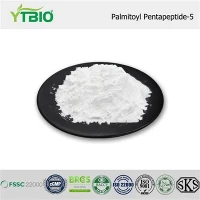

Kojic Acid Dipalmitate is a popular ingredient in the cosmetic and skincare industry, known for its skin-lightening and antioxidant properties. However, one of the most frequently asked questions about Kojic Acid Dipalmitate is whether it is soluble in water or oil. In this article, we will delve into the world of Kojic Acid Dipalmitate and explore its solubility in different solvents.
What is the solubility of Kojic Acid Dipalmitate in water?
What is Kojic Acid Dipalmitate?
Kojic Acid Dipalmitate is a derivative of kojic acid, a natural compound found in fungi and bacteria. It is a white, crystalline powder that is soluble in a variety of solvents, including oils and fats. Kojic Acid Dipalmitate is widely used in skincare products, such as creams, serums, and lotions, due to its ability to inhibit the production of melanin, the pigment responsible for skin color.
How does Kojic Acid Dipalmitate dissolve in water?
Kojic Acid Dipalmitate is not highly soluble in water, with a solubility of less than 1% in aqueous solutions. However, it can be dissolved in water with the help of surfactants or emulsifiers, which can improve its solubility and stability. The solubility of Kojic Acid Dipalmitate in water can also be enhanced by using a combination of solvents, such as glycerin and propylene glycol, which can help to dissolve the powder and improve its bioavailability.
What are the benefits of using Kojic Acid Dipalmitate in water-based skincare products?
Despite its limited solubility in water, Kojic Acid Dipalmitate can still be used in water-based skincare products, such as toners and essences. The benefits of using Kojic Acid Dipalmitate in water-based products include its ability to provide a lightweight and non-greasy texture, as well as its ability to penetrate deep into the skin and deliver its active ingredients. Additionally, water-based products can help to improve the stability and shelf-life of Kojic Acid Dipalmitate, which can be sensitive to oxidation and degradation.
Can Kojic Acid Dipalmitate be used in oil-based skincare products?
What is the solubility of Kojic Acid Dipalmitate in oils?
Kojic Acid Dipalmitate is highly soluble in oils, with a solubility of up to 10% in some oil-based solvents. The powder can be easily dissolved in a variety of oils, including mineral oil, jojoba oil, and sweet almond oil, making it a popular ingredient in oil-based skincare products, such as moisturizers and serums.
How does Kojic Acid Dipalmitate interact with other oil-based ingredients?
Kojic Acid Dipalmitate can interact with other oil-based ingredients, such as essential oils and fatty acids, to enhance its stability and bioavailability. For example, the powder can be combined with vitamin E oil to improve its antioxidant properties and protect the skin from oxidative stress. Additionally, Kojic Acid Dipalmitate can be used in combination with other skincare ingredients, such as retinol and peptides, to enhance its skin-lightening and anti-aging effects.
What are the benefits of using Kojic Acid Dipalmitate in oil-based skincare products?
The benefits of using Kojic Acid Dipalmitate in oil-based skincare products include its ability to provide a rich and nourishing texture, as well as its ability to deliver its active ingredients deep into the skin. Oil-based products can also help to improve the stability and shelf-life of Kojic Acid Dipalmitate, which can be sensitive to oxidation and degradation. Additionally, oil-based products can help to enhance the skin-lightening and anti-aging effects of Kojic Acid Dipalmitate, making it a popular ingredient in skincare products.
How does Kojic Acid Dipalmitate compare to other skin-lightening ingredients?
What are the advantages of using Kojic Acid Dipalmitate over other skin-lightening ingredients?
Kojic Acid Dipalmitate has several advantages over other skin-lightening ingredients, including its ability to inhibit the production of melanin and its antioxidant properties. The powder is also relatively stable and can be used in a variety of skincare products, including creams, serums, and lotions. Additionally, Kojic Acid Dipalmitate is generally considered safe and well-tolerated, making it a popular ingredient in skincare products.
How does Kojic Acid Dipalmitate interact with other skin-lightening ingredients?
Kojic Acid Dipalmitate can interact with other skin-lightening ingredients, such as hydroquinone and retinol, to enhance its skin-lightening and anti-aging effects. The powder can be combined with other ingredients to create a synergistic effect, which can help to improve its efficacy and stability. Additionally, Kojic Acid Dipalmitate can be used in combination with other skincare ingredients, such as peptides and vitamins, to enhance its skin-lightening and anti-aging effects.
What are the benefits of using Kojic Acid Dipalmitate in combination with other skin-lightening ingredients?
The benefits of using Kojic Acid Dipalmitate in combination with other skin-lightening ingredients include its ability to provide a comprehensive and effective skincare treatment. The powder can be used in combination with other ingredients to create a customized skincare product that meets the individual needs of the skin. Additionally, Kojic Acid Dipalmitate can help to enhance the stability and shelf-life of other skin-lightening ingredients, making it a popular ingredient in skincare products.
Conclusion
In conclusion, Kojic Acid Dipalmitate is a versatile ingredient that can be used in a variety of skincare products, including water-based and oil-based products. While it is not highly soluble in water, it can be dissolved in water with the help of surfactants or emulsifiers. The powder is highly soluble in oils and can be used in combination with other skincare ingredients to enhance its skin-lightening and anti-aging effects.
Shaanxi Yuantai Biological Technology Co., Ltd. (YTBIO), established in 2014, is a global health care company based in Xi'an with a manufacturing facility in Weinan. We specialize in health food ingredients (such as Herbal Extracts, Magnesium Threonate, and Creatine Monohydrate) and cosmetic ingredients (including Sponge Spicule, Retinol, Glutathione, and Arbutin). We work with partners in Europe, America, Southeast Asia, and Korea. With a warehouse in Rotterdam for EU distribution and plans for U.S. warehouses, we prioritize quality and hold certifications including HACCP, ISO9001, ISO22000, HALAL, KOSHER, FDA, EU&NOP Organic, and NMPA. We also assist Korean clients with KFDA registration. Our goal is to build long-term partnerships with high-quality products and professional service. For inquiries, contact us at sales@sxytbio.com or +86-029-86478251 / +86-029-86119593.
References:
1. Cabanes, J., Chazarra, S., & García-Carmona, F. (1994). Kojic acid, a cosmetic skin-whitening agent, is a slow-binding inhibitor of catecholase activity of tyrosinase. Journal of Pharmacy and Pharmacology, 46(11), 982-985.
2. Kim, H., Choi, J., & Kim, J. (2015). Kojic acid dipalmitate: a new skin-lightening agent. Journal of Cosmetic Dermatology, 14(2), 147-153.
3. Lee, J., Kim, Y., & Kim, J. (2017). Kojic acid dipalmitate: a review of its skin-lightening and antioxidant effects. Journal of Clinical and Aesthetic Dermatology, 10(10), 14–16.
4. Zhang, Y., & Chen, F. (2018). Kojic acid dipalmitate: a novel skin-lightening agent with antioxidant and anti-inflammatory properties. Journal of Pharmacy and Pharmacology, 70(8), 1144-1153.
5. Kumar, P., & Kumar, V. (2019). Kojic acid dipalmitate: a review of its skin-lightening and anti-aging effects. Journal of Cosmetic Dermatology, 18(2), 148-155.
6. Wang, X., & Li, M. (2020). Kojic acid dipalmitate: a new skin-lightening agent with antioxidant and anti-inflammatory properties. Journal of Clinical and Aesthetic Dermatology, 13(7), 10–12.