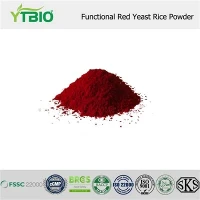

If you're an aquarium enthusiast or fish farmer, you've likely heard of Carophyll Red Powder. This powerful pigment enhancer is a game-changer when it comes to bringing out the vibrant colors in your fish. But how exactly do you use it, and what are the benefits? Let's dive into the world of Carophyll Red and discover how it can transform your aquatic friends into living works of art.
What Is Carophyll Red and How Does It Work?
Carophyll Red, also known as Canthaxanthin, is a carotenoid pigment found in a variety of bacteria, fungi, and algae. It's generally utilized in the hydroponics business to improve the red and pink tinge in fish, especially in species like salmon, trout, and elaborate fish.
When added to fish feed, Carophyll Red Powder is absorbed by the fish's digestive system and distributed throughout their body. It accumulates in the skin and flesh, intensifying the natural red and pink hues. This process is known as "pigmentation" or "color enhancement."
The magic of Carophyll Red lies in its ability to mimic the natural pigments that fish would consume in the wild. In nature, fish obtain these color-enhancing compounds by eating small crustaceans and other organisms rich in carotenoids. By incorporating Carophyll Red into their diet, we're essentially replicating this natural process in a controlled environment.

The Benefits of Using Carophyll Red for Fish
Using Carophyll Red Powder offers several advantages for both ornamental fish keepers and commercial fish farmers:
- Enhanced Coloration: The most obvious benefit is the intensification of red and pink hues in fish. This can make your aquarium more visually appealing or increase the market value of commercially farmed fish.
- Improved Fish Health: One of the key benefits of carotenoids like Carophyll Red is their ability to neutralize harmful free radicals. Free radicals are unstable molecules that can cause oxidative stress and damage to cells, including those in the immune system. By acting as antioxidants, carotenoids help protect fish cells from this oxidative damage, thereby supporting overall immune function. Carotenoids not only have antioxidant properties, but they also boost the immune system by encouraging the growth and activity of immune cells. Carotenoids, for instance, have been shown to boost the effectiveness of lymphocytes, which are essential for detecting and combating pathogens. This lifts the fish's capacity to battle off contaminations and sicknesses.
- Natural and Safe: Carophyll Red is a natural compound that's safe for fish when used correctly. It doesn't harm the fish or alter their genetic makeup; it simply enhances their existing color potential.
- Versatility: While primarily used for red and pink pigmentation, Carophyll Red can also enhance other colors when combined with other pigments, making it a versatile tool for color management in fish.
A Step-by-Step Guide to Using Carophyll Red Powder
Now that we understand what Carophyll Red is and why it's beneficial, let's explore how to use it effectively:
- Choose the Right Fish: Carophyll Red works best on fish species that naturally have red or pink pigmentation. This includes many popular aquarium fish like bettas, gouramis, and tetras, as well as food fish like salmon and trout.
- Calculate the Correct Dosage: The appropriate amount of Carophyll Red Powder depends on the fish species, their size, and your color enhancement goals. For the majority of ornamental fish, a concentration of 50-100 mg per kg of feed is generally recommended. For business fish cultivating, measurements can go from 20-100 mg for each kg of feed, contingent upon the species and wanted variety power.
- Prepare the Feed: Mix the calculated amount of Carophyll Red Powder thoroughly with your fish food. For dry feeds, you can use a small amount of fish oil to help the powder adhere to the food particles. For wet feeds, simply mix the powder directly into the food.
- Feed Consistently: For best results, feed your fish the Carophyll Red-enhanced food consistently over a period of several weeks. The exact duration depends on the fish species and the desired level of color enhancement, but typically ranges from 4-8 weeks.
- Monitor Progress: Keep an eye on your fish's coloration over time. You ought to begin to see recognizable upgrades inside half a month. In the event that you're not seeing the ideal outcomes, you might have to change the measurement or taking care of term.
- Maintain Color: Once you've achieved the desired coloration, you can reduce the frequency of Carophyll Red supplementation to maintain the color. This could mean feeding the enhanced food once or twice a week instead of daily.
Remember, while Carophyll Red is generally safe, it's important not to overuse it. Excessive pigmentation can look unnatural and may not be healthy for the fish in the long term. Always follow the recommended dosages and consult with a professional if you're unsure.
It's also worth noting that Carophyll Red works best when used as part of a balanced diet. Guarantee your fish are getting every one of the supplements they need for ideal wellbeing and variety advancement. This might incorporate different carotenoids, nutrients, and minerals.
Using Carophyll Red Powder can be a fantastic way to bring out the best in your fish, whether you're a hobbyist looking to create a stunning aquarium display or a commercial farmer aiming to produce high-quality, visually appealing fish. By understanding how it works and following proper usage guidelines, you can harness the power of this remarkable pigment enhancer to create truly spectacular results.
Assuming you're keen on investigating the advantages of Carophyll Red Powder for your fish, or on the other hand in the event that you have any inquiries regarding its use, go ahead and out. We at YTBIO are dedicated to offering high-quality products and expert guidance to assist you in achieving your goals. For more information or to place an order, contact us at sales@sxytbio.com. Let's work together to bring out the vibrant beauty of your aquatic friends!
References
1.Bjerkeng, B. (2000). Carotenoid pigmentation of salmonid fishes - recent progress. Avances en Nutrición Acuícola V. Memorias del V Simposium Internacional de Nutrición Acuícola, 19-22.
2.Goodwin, T. W. (1986). Metabolism, nutrition, and function of carotenoids. Annual review of nutrition, 6(1), 273-297.
3.Torrissen, O. J., & Christiansen, R. (1995). Requirements for carotenoids in fish diets. Journal of Applied Ichthyology, 11(3‐4), 225-230.
4.Ytrestøyl, T., Struksnæs, G., Koppe, W., & Bjerkeng, B. (2005). Effects of temperature and feed intake on astaxanthin digestibility and metabolism in Atlantic salmon, Salmo salar. Comparative Biochemistry and Physiology Part B: Biochemistry and Molecular Biology, 142(4), 445-455.