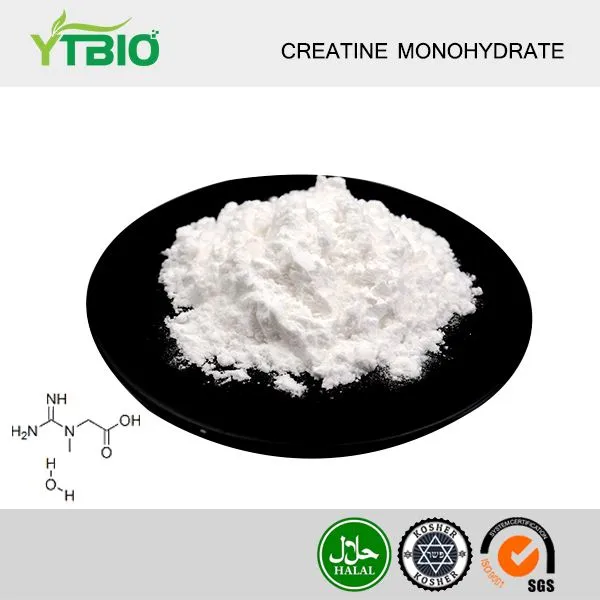

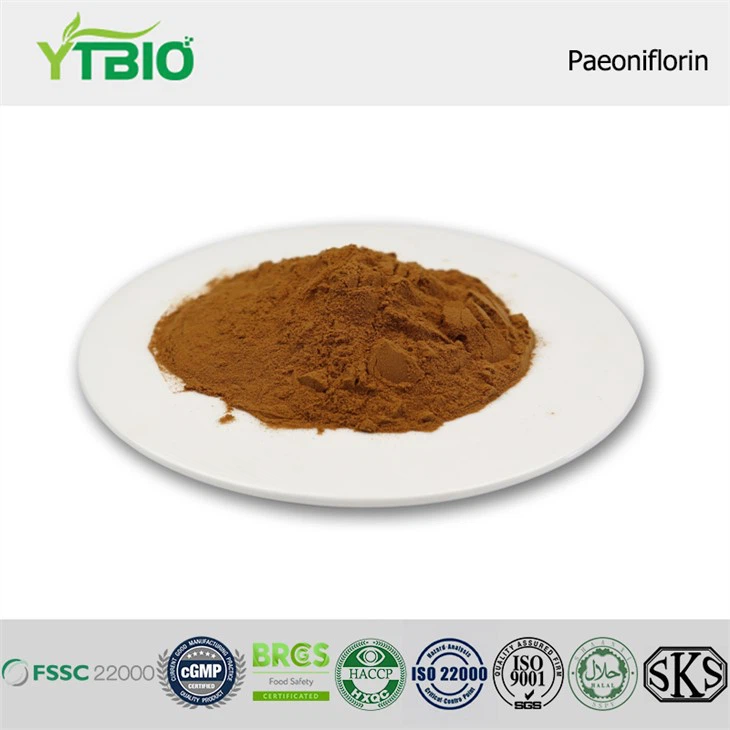
Shaanxi Yuantai Biological Technology Co., Ltd. is one of the most reliable manufacturers and suppliers of paeoniflorin in China. With abundant experience, we warmly welcome you to wholesale bulk paeoniflorin for sale here from our factory. Quality products and reasonable price are available.
Product Description
Peony root, the dried root of the perennial herbaceous plant *Paeonia lactiflora*, belonging to the Paeoniaceae family, is bitter, sour, and slightly cold in nature. It enters the liver and spleen meridians and has the functions of calming the liver and relieving pain, nourishing blood and regulating menstruation, and astringing yin and stopping sweating. It is used for headaches, dizziness, rib pain, abdominal pain, limb cramps, blood deficiency and chlorosis, irregular menstruation, spontaneous sweating, and night sweats.
Paeoniflorin is the main active ingredient in peony root, an important physiologically active substance with anti-inflammatory, immune system-enhancing, hepatoprotective, and analgesic effects.
What are the benefits?
1. Anti-inflammatory effect:
Inhibits the production and release of inflammatory mediators (such as interleukin-6, tumor necrosis factor-α, cyclooxygenase-2, etc.), reducing tissue redness, swelling, heat, and pain, and improving conditions such as arthritis, enteritis, and skin inflammation.
2. Analgesic effect:
Regulates pain signal transmission in the central and peripheral nervous systems, relieving neuropathic pain, postoperative pain, and dysmenorrhea by affecting opioid receptor activity, inhibiting bradykinin release, or reducing prostaglandin E2 production.
3. Hepatoprotective effect:
Reduces alanine aminotransferase (ALT) and aspartate aminotransferase (AST) levels, inhibits hepatic stellate cell activation, reduces collagen deposition, and alleviates chemical liver injury, liver fibrosis, and ischemia-reperfusion injury.
4. Neuroprotective effect:
Scavenges oxygen free radicals, reduces cerebral ischemia-reperfusion injury, inhibits β-amyloid protein deposition and tau protein hyperphosphorylation, and has potential interventional effects on neurodegenerative diseases such as Alzheimer's disease and Parkinson's disease.
5. Cardiovascular Protective Effects:
Dilates blood vessels, increases coronary blood flow, improves myocardial nutrition and blood flow, prevents thrombosis, inhibits platelet aggregation, and lowers blood lipids, offering preventative and therapeutic effects against coronary heart disease, myocardial infarction, and atherosclerosis.
6. Immunomodulatory Effects:
Regulates the proportion of T lymphocyte subsets, inhibits excessive immune responses, and enhances macrophage phagocytic function, playing a bidirectional regulatory role in autoimmune diseases (such as rheumatoid arthritis and systemic lupus erythematosus) and immunodeficiency states.
7. Antioxidant Effects:
Scavenges reactive oxygen species (ROS) and reactive nitrogen species (RNS), activates the glutathione system and nuclear factor E2-related factor 2 (NRF2) pathway, enhances cellular antioxidant defense capabilities, and delays cellular aging.
8. Antispasmodic Effects:
Relieves smooth muscle spasms, alleviating gastrointestinal spasms, biliary colic, and uterine spasms.
Application directions
Paeoniflorin, a natural compound with diverse pharmacological activities, is primarily used in the following areas:
1. Treatment of Nervous System Diseases
- Neurodegenerative Diseases: It has potential therapeutic effects on Alzheimer's disease, Parkinson's disease, etc., improving cognitive function and reducing nerve cell damage through mechanisms such as antioxidation, inhibition of neuronal apoptosis, and regulation of neurotransmitters.
- Stroke and Brain Injury: It can reduce cerebral ischemia-reperfusion injury, promote neurological function recovery, reduce the area of cerebral infarction, and improve motor and cognitive functions.
- Neurogenic Pain: It can alleviate neuropathic pain, such as pain symptoms in a chronic sciatic nerve compression injury model, by inhibiting inflammatory responses and regulating nerve signal transmission.
2. Prevention and Treatment of Cardiovascular Diseases
- Myocardial Protection: It can reduce myocardial hypertrophy and myocardial ischemia-reperfusion injury, improve cardiomyocyte function, reduce cardiomyocyte apoptosis rate, and has a certain adjuvant therapeutic effect on coronary heart disease and angina pectoris.
- Vascular Protection: It inhibits oxidative damage to vascular endothelial cells, promotes angiogenesis, improves vascular function, and helps prevent vascular diseases such as atherosclerosis.
3. Treatment of Liver Diseases
- Liver Damage Repair: Protects against chemically induced liver injury, ischemia-reperfusion injury, and liver fibrosis. Through mechanisms such as antioxidation, inhibition of inflammatory responses, and regulation of apoptosis, it reduces hepatocellular damage and promotes liver function recovery.
- Cholestatic Liver Disease: Improves cholestasis, promotes bile excretion, and reduces liver inflammation and damage.
4. Prevention and Treatment of Diabetes and its Complications
- Diabetic Neuropathy: Improves diabetic peripheral neuropathy, relieves symptoms such as nerve pain and paresthesia. Protects nerve cells through mechanisms such as antioxidation and regulation of nerve cell metabolism.
- Diabetic Nephropathy: Inhibits renal inflammation and oxidative stress, reduces glomerular damage, and slows the progression of diabetic nephropathy.
5. Treatment of Skin Diseases
- Inflammatory Skin Diseases: Therapeutic for atopic dermatitis, psoriasis, and chronic urticaria. Reduces symptoms such as skin inflammation, itching, and erythema through mechanisms such as anti-inflammatory, immunomodulatory, and antioxidant effects.
- Vitiligo: May promote melanocyte function recovery by activating the melanocyte antioxidant pathway, thus serving as an adjunct treatment for vitiligo.
6. Immune Regulation
- Immune regulation: Regulates the function of immune cells, inhibits excessive immune responses, and has a certain adjunctive therapeutic effect on autoimmune diseases such as systemic lupus erythematosus.
Company introduction and certificates obtained
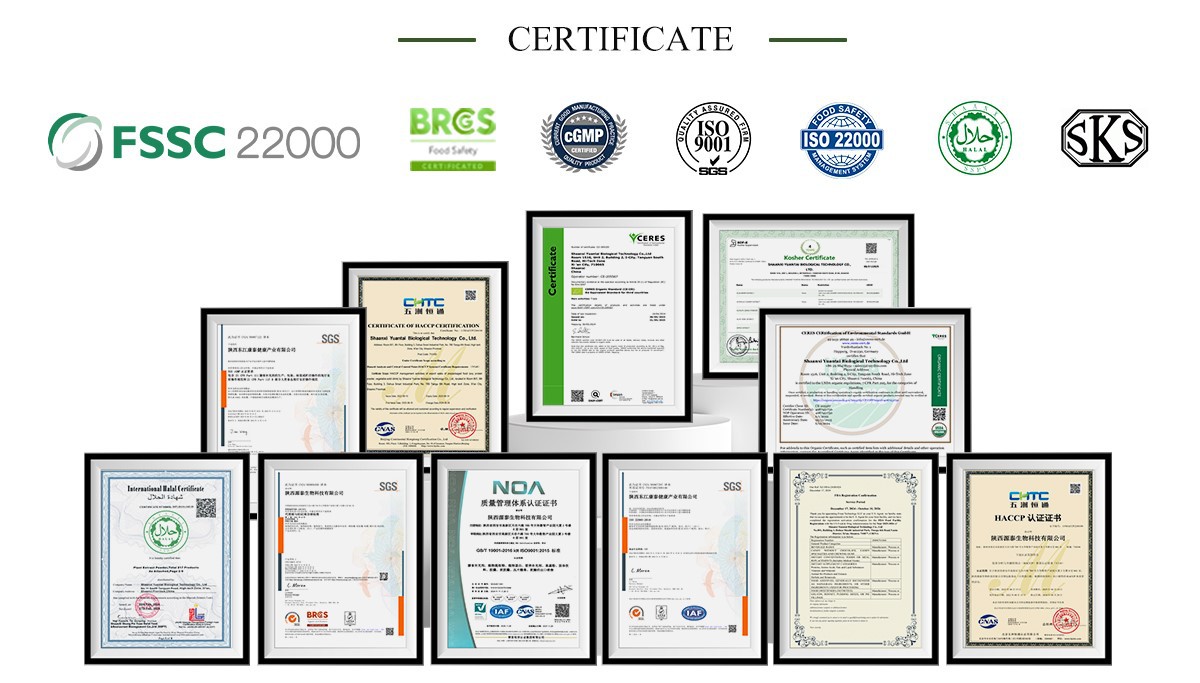
Shaanxi Yuantai Biotechnology Co., Ltd. was established in 2014, mainly supplying herbal extracts, functional cosmetic raw materials, organic products, etc. We have our own factories, R&D and quality inspection teams, and have the conditions for development, production, and quality assurance. At present, we have obtained ISO9001, ISO22000, HALAL, KOSHER, HACCP, FDA and other certificates. Therefore, the quality of our products is guaranteed, and it is our original intention to bring high-quality products to customers.
Our packaging
1KG/Aluminium bags , 25kg/barrel
Storage: Store in a cool, dry, clean place away from moisture and direct light.
We also have special packaging for special products, such as: retinal - cold chain transportation; deoxyarbutin - vacuum transportation

Our team
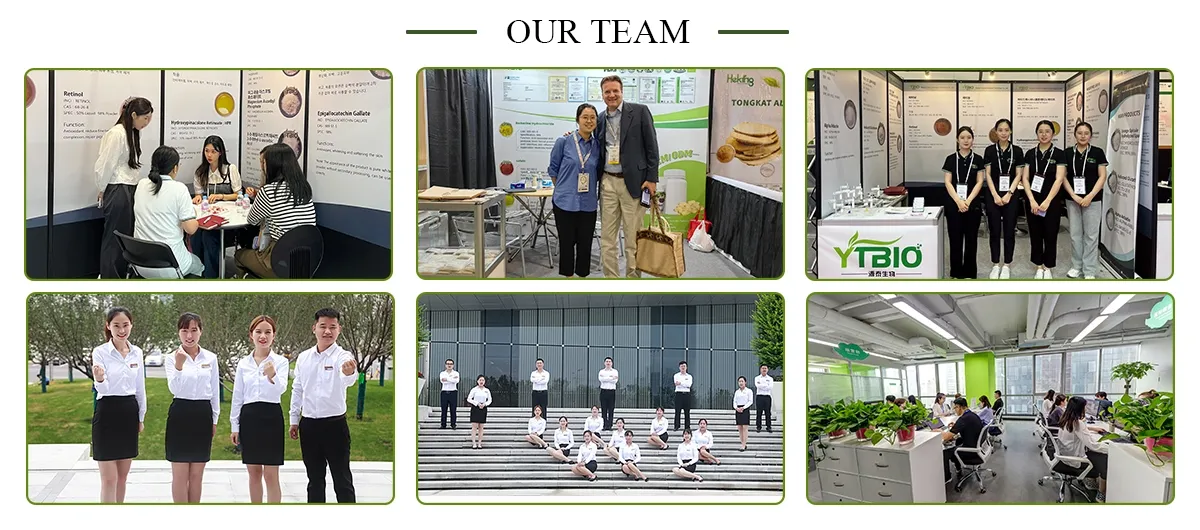
We have a professional R&D team and sales team, which not only ensure product quality, but also ensure a good cooperation experience for customers in the pre-sale, in-sale and after-sale processes. Our sales team has been trained in professional product knowledge, and can respond and solve every problem in cooperation in a timely manner

The payment methods we support are: T/T, VISA, XTransfer, Master Card, Western Union, Alibaba Payment, e-Checking, Online Bank Payment
We support shipping by sea, air, DHL, FedEx, TNT, UPS, EMS, SF

Hot Tags: paeoniflorin, China paeoniflorin manufacturers, suppliers, factory