Naringin is a flavanone glycoside with a wide range of biological activities, including antioxidant, anti - inflammatory, and lipid - lowering properties. As a naringin supplier, I am often asked about the plants that contain high levels of this valuable compound. In this blog, I will explore the various plant sources of naringin and discuss their potential applications.
Citrus Fruits
 Citrus fruits are perhaps the most well - known sources of naringin. Among them, grapefruit (Citrus paradisi) stands out as a particularly rich source. Grapefruit contains significant amounts of naringin, especially in its peel and albedo (the white, spongy layer between the peel and the fruit segments). The high naringin content in grapefruit is one of the reasons for its slightly bitter taste.
Research has shown that the naringin content in grapefruit can vary depending on factors such as the variety, growing conditions, and ripeness of the fruit. For example, some varieties of grapefruit may have higher naringin levels than others. The extraction of naringin from grapefruit peel is a common practice in the industry. The peel can be processed through methods such as solvent extraction to obtain naringin in a concentrated form.
Another citrus fruit that contains naringin is the bitter orange (Citrus aurantium). Bitter orange is often used in traditional medicine and is also a source of naringin. Similar to grapefruit, the peel of bitter orange is rich in naringin. In addition to its medicinal uses, bitter orange extract containing naringin is sometimes used in the food and beverage industry for its flavor and potential health benefits.
Other Plants
Apart from citrus fruits, there are other plants that contain naringin. For instance, some species of citrus relatives in the Rutaceae family also have naringin in their tissues. These plants may not be as well - known as grapefruit or bitter orange, but they can still serve as alternative sources of naringin.
Some traditional Chinese medicinal plants have been found to contain naringin. For example, the tangerine peel (Citrus reticulata) is a well - known traditional Chinese medicine. It contains naringin along with other bioactive compounds. Tangerine peel extract, which is rich in naringin, has been used in traditional Chinese medicine for its digestive and anti - inflammatory properties. You can learn more about Tangerine Peel Extract.
Applications of Naringin
Naringin has a wide range of applications in different industries. In the pharmaceutical industry, its antioxidant and anti - inflammatory properties make it a potential candidate for the development of drugs to treat various diseases such as cardiovascular diseases, diabetes, and cancer. Naringin can help reduce oxidative stress and inflammation in the body, which are associated with the development of these diseases.
In the food and beverage industry, naringin can be used as a natural flavoring agent. Its slightly bitter taste can add a unique flavor to products such as juices, teas, and functional foods. Moreover, due to its health - promoting properties, naringin - rich ingredients can be incorporated into food products to enhance their nutritional value.
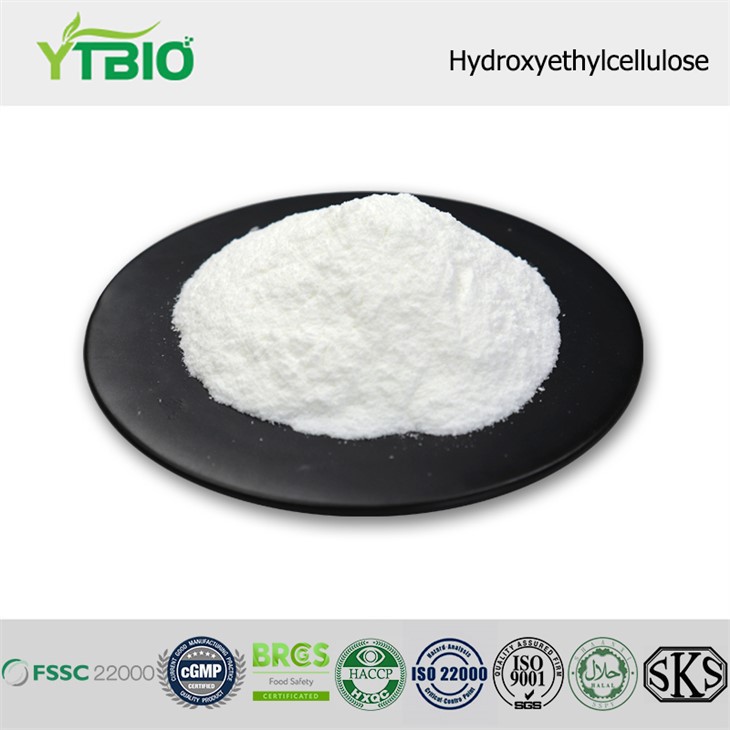
In the cosmetic industry, naringin also has potential applications. It can be used in skincare products for its antioxidant and anti - aging effects. Naringin can help protect the skin from damage caused by free radicals and improve the overall appearance of the skin. There are also other cosmetic raw materials that can work in combination with naringin. For example, GHK - Cu is a copper peptide powder that has anti - aging and wound - healing properties. Stearyl Glycyrrhetinate is another raw material that has anti - inflammatory and soothing effects on the skin. Undecylenoyl Phenylalanine is a powder that can be used for its anti - acne properties. And Hydroxyethyl Cellulose is often used as a thickening and stabilizing agent in cosmetic formulations.
|
|
|

Quality and Supply of Naringin
As a naringin supplier, I understand the importance of providing high - quality naringin products. The quality of naringin depends on several factors, including the source of the plant, the extraction method, and the purification process. We ensure that our naringin is extracted from high - quality plant materials using advanced extraction techniques. Our purification process is designed to remove impurities and ensure the high purity of the naringin.
We also have a stable supply of naringin. We work closely with our suppliers to ensure a continuous and reliable source of plant materials. Our production facilities are equipped with state - of - the - art equipment to ensure efficient production and maintain product quality. Whether you need a small amount of naringin for research purposes or a large quantity for industrial applications, we can meet your requirements.
Why Choose Our Naringin
There are several reasons why you should choose our naringin. Firstly, our naringin is of high quality. We have strict quality control measures in place to ensure that our products meet the highest standards. Secondly, we offer competitive prices. We understand the importance of cost - effectiveness in the market, and we strive to provide our customers with the best value for their money. Thirdly, we have excellent customer service. Our team is always ready to answer your questions and provide you with the support you need.
If you are interested in purchasing naringin for your business, whether it is for pharmaceutical, food, or cosmetic applications, we encourage you to contact us for a detailed discussion. We can provide you with samples, product specifications, and pricing information. We look forward to establishing a long - term partnership with you.
For more information about naringin or other products, please contact:
Email: sales@sxytbio.com
Tel/WhatsApp: +86 177 8257 7059
References
- Horowitz RM, Gentili B. Flavonoids of the citrus genus. Phytochemistry. 1977;16(9):1505 - 1518.
- Manthey JA, Grohmann K. Analysis of flavanone glycosides in citrus juices by high - performance liquid chromatography. Journal of Agricultural and Food Chemistry. 1996;44(12):3875 - 3879.
- Zhang Y, Wang Y, Ma Y, et al. Naringin: A review of its pharmacology, pharmacokinetics, and safety. Chinese Medicine. 2014;9(1):22.