
If you've ever reached for an electrolyte powder after a long run, a sweltering workday, or even a post-binge recovery, you've probably wondered: what exactly is in that shaker full of powder I'm mixing with water? As a electrolyte powder drink supplier, I get questions like this every single day-from athletes testing our product, parents looking for healthy alternatives to sugary sports drinks, and even people just trying to wrap their head around why electrolytes matter in the first place. It's not just random salts and sweeteners; every ingredient serves a specific, science-backed purpose, and cutting corners here is how many budget brands end up with products that don't actually hydrate, or worse, leave you feeling jittery or bloated. Let's break down the key components of electrolyte powder, why they're non-negotiable, and what you should look for when choosing (or manufacturing) a high-quality formula.
First, let's start with the basics: electrolytes are minerals that carry an electric charge when dissolved in water, and they're critical for everything from nerve function to muscle contraction to maintaining the right balance of fluid in your body. When you sweat, you lose not just water, but electrolytes like sodium, potassium, and magnesium-replace those, and you avoid cramping, fatigue, and that sluggish drained feeling after a hard workout or a day outside in heat. The problem with many pre-made sports drinks is that they're loaded with added sugars and artificial flavors, so powder concentrates have exploded in popularity because they're portable, customizable, and let you control what goes in. But not all powder mixes are created equal, so let's go through the core ingredients and why each one matters.
Sodium is the backbone of any good electrolyte powder, and for good reason. Sodium is the primary electrolyte lost in sweat-depending on how much you sweat, you can lose anywhere from 400 to 2,000 milligrams of sodium per hour during intense activity. Its main job is to help your body absorb water and other electrolytes in the intestines, and it also helps maintain blood volume, which is key for keeping your circulatory system working properly. A lot of people think sodium is bad, but when you're replacing what you lose, it's essential-skimp on sodium, and even if you drink a lot of water, your body won't retain it, leaving you still dehydrated. The sweet spot for most active people is 300 to 500 milligrams of sodium per serving; anything less and you're not getting the hydration boost you need, anything more and you're adding unnecessary bulk that can leave a salty aftertaste. That's why we source unrefined sea salt and Himalayan pink salt for our formulas-they offer pure sodium without added anti-caking agents or artificial fillers, unlike some cheap powders that use table salt which can taste harsh.
Next up: potassium. Often overshadowed by sodium, potassium is another major electrolyte lost in sweat, and it's just as important for muscle function and heart health. It works hand in hand with sodium to regulate fluid balance inside and outside your cells, and it helps prevent muscle cramps-something every runner and gym-goer knows too well. Unlike sodium, most people don't get enough potassium in their regular diet; the USDA recommends 4,700 milligrams a day for adults, but the average person only eats around 2,500. That makes electrolyte powder a convenient way to bridge that gap, especially for people who are active or work in physically demanding jobs. We aim for 100 to 200 milligrams of potassium per serving-enough to make a difference without overwhelming the taste, which can turn bitter if you add too much. We avoid potassium chloride as a primary source because it has a metallic aftertaste, so we use milder forms like potassium citrate or natural potassium from fruit extracts to keep the flavor smooth.
Magnesium is the unsung hero of electrolyte powders, and it's one that far too many budget brands skimp on. Magnesium is involved in over 300 enzymatic reactions in the body, including muscle relaxation, energy production, and even sleep quality. For athletes, it's key for reducing muscle soreness and preventing cramps that don't respond to sodium alone-studies have shown that magnesium deficiency is common in active people, especially those who sweat heavily. There are different forms of magnesium used in supplements and powders, and not all are equal: magnesium oxide is cheap but poorly absorbed, while magnesium citrate, magnesium malate, and glycinate forms have much higher bioavailability. That's why we prioritize highly absorbable magnesium sources in our powders, because if your body can't actually use the magnesium you're ingesting, it's useless. For clients looking for standalone magnesium supplements, we also work with Magnesium Glycinate Tablets for those wanting a concentrated, easy-to-take option outside of their daily hydration routine.
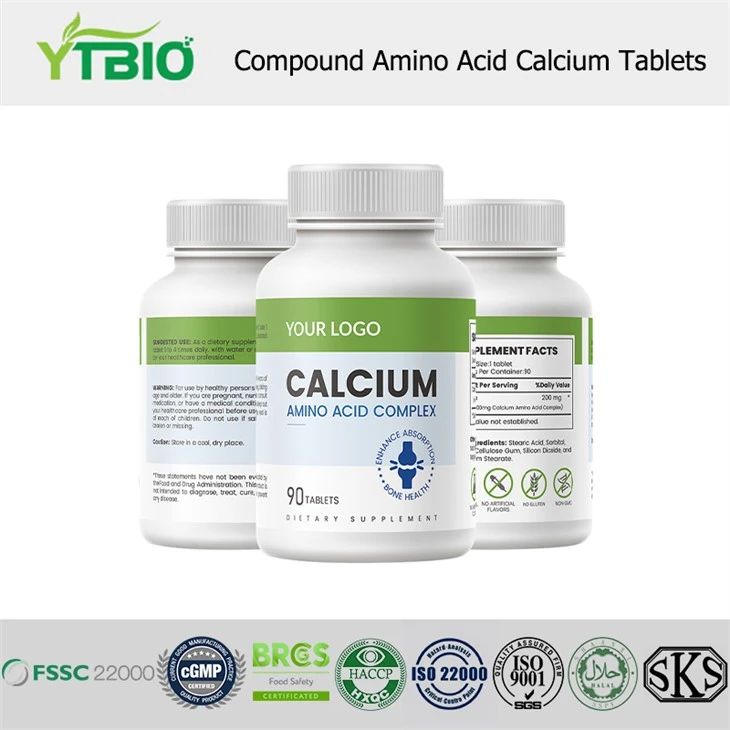
Calcium is another electrolyte that's critical, though often overlooked in powder formulas. Most people associate calcium with bone health, but it's also essential for muscle contraction, nerve signaling, and blood clotting. During intense exercise, small amounts of calcium are lost in sweat, and adequate calcium intake helps prevent muscle fatigue and cramping, especially in the legs and core. The right amount of calcium in an electrolyte powder is around 50 to 100 milligrams per serving-enough to support those functions without interfering with the absorption of other key electrolytes like magnesium. For clients who prefer a pill form for calcium, we offer Compound Amino Acid Calcium Tablets which combine calcium with amino acids for better absorption, a great option for people who struggle to hit their calcium goals from food alone.
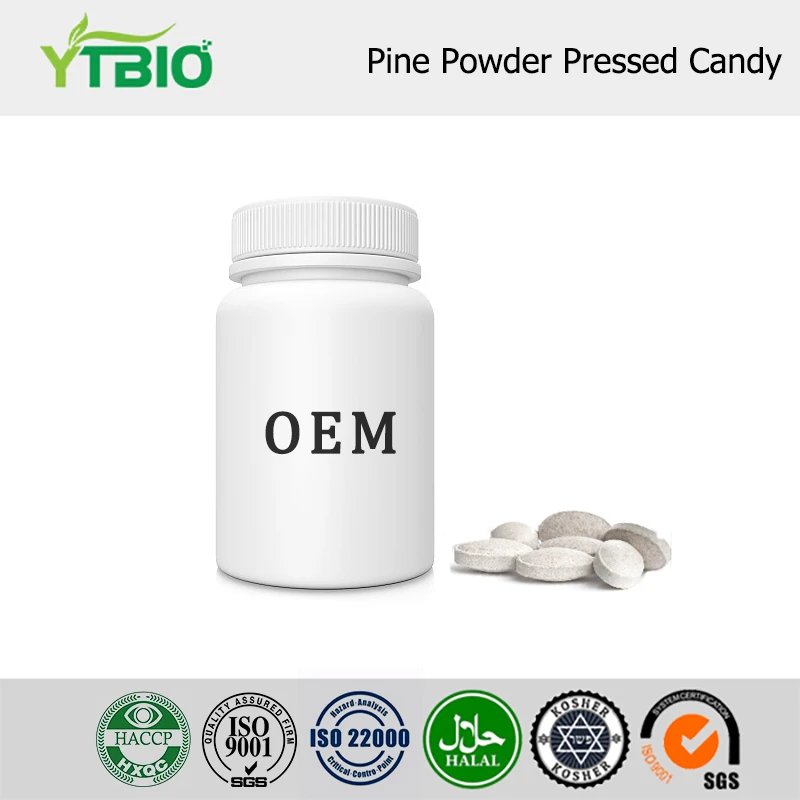
Now, beyond the core electrolytes, there are other ingredients that can add real value, depending on the powder's intended use. For example, some people use electrolyte powders for recovery after a night out or a long stressful day, not just exercise. That's where adaptogens and herbal ingredients come in, and these should be natural, science-backed, not just trend-driven fillers. Kudzu root and hovenia dulcis are two ingredients that have been used in traditional medicine for centuries to support liver function and reduce the symptoms of overindulgence, and they're a popular addition to recovery-focused electrolyte mixes. We use high-grade extracts of these ingredients to add a functional boost, so you're not just replacing electrolytes but supporting your body's natural recovery processes. For brands looking to add these types of ingredients to their line, we offer Kudzu Root Hovenia Dulcis Tablet Candy as an alternative format if tablets work better for their target audience. Pine powder is another ingredient we've seen work well in certain formulas-it adds a subtle, earthy flavor and also has antioxidant properties, making it a nice natural addition for people who prefer non-synthetic flavoring. For brands wanting a light, naturally flavored tablet, our Pine Powder Pressed Candy is a test-friendly option to try out earthy, functional ingredients.
 |
 |
Sweeteners and flavorings are another big part of electrolyte powder, and this is where a lot of brands cut corners. Many cheap powders use artificial sweeteners like sucralose or acesulfame potassium, which can leave a bitter aftertaste and some people report digestive issues with them. Natural sweeteners like stevia, monk fruit, or small amounts of cane sugar are better options, but even those should be used in moderation-no one wants a powder that's just a sugary drink in disguise. We use zero or very low amounts of added sugars in our formulas, sticking to natural sweeteners that don't spike blood sugar, so the powder is hydrating, not a sugar load. Flavorings should also be natural-fruit extracts like lemon, orange, or watermelon are far preferable to artificial flavorings that can taste harsh and leave a chemical aftertaste. A good flavor balance is key because if your powder tastes bad, you're not going to drink it consistently, no matter how many electrolytes it has.
Binders and anti-caking agents are often invisible, but they're important for powder that needs to mix easily and not clump up. Many brands use artificial anti-caking agents like silicon dioxide, but we prefer natural options like rice flour or guar gum, which are gentle and don't have any negative effects. For suppliers looking to formulate their own electrolyte products, it's important to check the fine print here-some cheap brands cut corners on binders, leading to powder that clumps at the bottom of your shaker, which is frustrating at best and means you're not getting the right amount of electrolytes per serving at worst.
Now, let's talk about what to avoid. A lot of budget electrolyte powders on the market have too much sugar (more than 10 grams per serving, which is equivalent to a small soda), too little of the key electrolytes (especially sodium and magnesium), and unnecessary fillers like artificial colors and preservatives. Some even use forms of magnesium that are poorly absorbed, so they're essentially just flavored sugar water with a tiny bit of salt. As a supplier, we test every batch of our powder to make sure the actual amount of electrolytes matches what's listed on the label-this is called third-party testing, and it's non-negotiable for us. If you're an athlete, a parent, or anyone relying on electrolyte powder to stay hydrated, always look for brands that list the exact amounts of sodium, potassium, and magnesium on the nutrition label, not just vague terms like "electrolyte blend." If a brand doesn't list individual amounts, that's a red flag-they're probably hiding how little of the key minerals they're actually using.
Another thing to consider is your individual needs. If you're a long-distance runner training for a marathon, you'll need a higher sodium content than someone who's just walking around a hot park for an hour. If you're someone who gets migraines, you might want a powder with extra magnesium, which studies have shown can reduce migraine frequency. If you're using it for recovery after a night out, a mix with kudzu root and hovenia dulcis can be a game-changer, as those ingredients support your liver as it processes excess alcohol. The best electrolyte powder is customizable, which is why many of our clients choose to work with us for OEM/ODM formulations tailored to their specific audience or use case.
Whether you're an athlete refining your hydration routine, a brand looking to create a high-quality electrolyte product, or just someone curious about what's in that powder you drink, the bottom line is that electrolyte drinks aren't just about water and salt. They're a carefully balanced mix of minerals that work together to keep your body functioning, plus thoughtful additions to support taste and functionality. Cutting corners on ingredients doesn't just lead to a worse product-it can actually mean you're not getting the hydration you need, or even exposing yourself to unnecessary additives.
If you're a brand looking to develop your own electrolyte powder or functional supplement, we have the expertise to help you create a formula that's science-backed, high-quality, and tailored to your market. From custom electrolyte blends to functional add-ins like magnesium glycinate, kudzu root extracts, and natural flavorings, we can walk you through every step of the formulation process. Contact us today to discuss your project and learn how we can help bring your product to life.
Telephone/WhatsApp:+8617782577059
Email:sales@sxytbio.com
References
- American College of Sports Medicine Position Stand: Exercise and Fluid Replacement, Medicine & Science in Sports & Exercise, 2007
- Institute of Medicine. Dietary Reference Intakes for Water, Potassium, Sodium, Chloride, and Sulfate, 2005
- Lugo, M., et al. Magnesium Supplementation for Exercise-Induced Muscle Cramps: A Systematic Review, Journal of the International Society of Sports Nutrition, 2018
- Kim, D. H., et al. Hepato-protective Effects of Pueraria lobata Root Extract on Alcohol-Induced Liver Injury, Journal of Ethnopharmacology, 2010
- Petrie, H. J., et al. The Effect of Electrolyte Replenishment on Physical Performance in the Heat: A Meta-Analysis, Sports Medicine, 2018