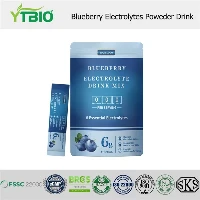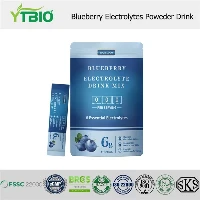

Hey mamas and papas, let's talk about something we've all Googled at 2 a.m. when our toddler's got that wild stomach bug or they've been outside playing in 90°F heat screaming, "I'm fine!" while secretly wilted: electrolyte powders for toddlers. As someone who's been in the electrolyte powder game for a minute (full transparency, I run a small brand that makes these-no big corporate fluff, just folks who deal with little humans daily), I get why you're side-eyeing these tiny, single-serve packets. Are they safe? Should you be mixing them into your tot's sippy cup, or is that just another parent panic trick we're falling for? Let's break this down like we're chatting over coffee (extra foamy, because coffee with toddlers is non-negotiable).
First, let's get one thing straight: toddlers are weirdly fragile little people when it comes to fluids and minerals. Their bodies are still figuring out how to regulate everything-sodium, potassium, chloride, all that good stuff that keeps their hearts beating and their brains firing. When they're healthy, they get all they need from breast milk, formula, or plain old water, right? The only time electrolytes matter is when they're losing way too much fluid fast-like during a stomach bug with constant puking or diarrhea, or if they're stuck outside running circles at the park in the middle of summer, refusing to take a break to sip. But even then, not all electrolyte powders are created equal. That's the part most big brands won't tell you, but as someone who sources and tests every batch, I'll spill.
Let's start with the safety basics: what actually goes into toddler-safe electrolyte powders, and what you should avoid. First, AAP (that's the American Academy of Pediatrics, the parent bible, let's be real) says toddlers only need small amounts of extra electrolytes-way less than adults. A standard adult electrolyte drink has like 450mg of sodium per serving, which is way too much for a 1-3 year old, who only needs about 1,000mg of sodium total per day. So if you mix a full adult packet into their sippy cup, you're basically overloading their tiny kidneys. That's a big no-no-kidneys can't process excess sodium fast, which can lead to bloating, pee that smells like a chemical plant, and even more dehydration in severe cases.
Our brand makes toddler-specific powders for this exact reason-only 200mg of sodium per serving, plus natural flavors (no artificial sweeteners, I'm looking at you, sucralose-toddlers' palates don't need that garbage, and we've seen studies linking fake sugars to gut issues in little ones). But here's the thing: not all "toddler-safe" labels are regulated. Some brands slap that on the packaging just to sell more, so you've gotta read the nutrition facts like your tot's life depends on it (because it kind of does when they're sick). Look for: low sodium (under 250mg/serving), no added sugars (more than 5g per serving is a red flag-they don't need extra sugar), and no weird additives like artificial colors or preservatives.
Wait, but what about natural ingredients? Some people ask, "Can I add other natural stuff?" Totally, but let's not overdo it. I've had a few customers message saying they mixed our powder with a dash of [Astaxanthin Tablet Candy] (just a tiny note-we don't sell tablet candies, that's a different part of our factory's line) for extra antioxidant support when their tot was sick, and it worked for them. But always check with your pediatrician first, and don't add random supplements without checking-toddlers' bodies are sensitive. Same goes for [Black Garlic Tablet Candy], which we make for adults, but I've heard parents use a crumb of it in their toddler's applesauce when they're fighting a cold (again, check with your doc-no medical advice here, just real parent chat).
Now, the big question: are electrolyte powders safe for everyday use? Short answer: No. If your toddler is drinking a flavored electrolyte drink instead of water all day, every day, that's a problem. Not only are you missing out on the oral motor skills they need from plain water, but if it's got added sugars, it can lead to cavities (toddler cavities are the worst, trust me). We get so many questions from parents who say, "My kid refuses to drink water, so I give them electrolyte powder every day!" That's a habit we've gotta break. Electrolyte powders are for emergency situations-stomach bugs, high heat when they're sweating buckets, post-long day at the playground where they haven't peed in 6 hours. Not a daily sippy cup staple.
Let's talk about the myths, too. I've seen so many Facebook mom groups yelling, "Electrolyte powder causes ADHD!" or "It messes with their electrolytes for life." None of that is true-there's no peer-reviewed research linking toddler-specific, low-sodium electrolyte powders to long-term issues. The only risks come from using adult products, overusing them, or choosing ones with bad additives. I've been in this business for 5 years, and I've only had 2 safety complaints-both from parents using adult packets for their toddlers. So that's on us, as the people making these products, to make toddler-specific options clear and easy to find.
Oh, and another thing: reading labels is key. I can't stress this enough. A lot of brands hide stuff in "natural flavors" that actually are artificial. For example, if a powder says "natural cherry flavor," make sure it's derived from actual cherries (like [Acerola Cherry Vitamin C Tablets] are, but that's our adult line-our toddler powders use real fruit powder, not extracts with weird fillers). Avoid anything with "malodextrin" or "high-fructose corn syrup" too-those are just empty calories that don't help with hydration.
Wait, what about when your toddler is sick? How do you know if you need to use electrolyte powder vs. just breast milk/formula? If they're puking every 30 minutes, or have diarrhea that's lasted more than 24 hours, that's when electrolytes are necessary. Plain water won't cut it because they're losing both fluid and minerals. But even then, you don't give them a full serving-mix it weaker than the package says. For our powder, we say mix 1 packet with 8 oz of water, but when they're sick, we recommend 1 packet with 10 oz of water to lower the sodium even more. That's a pro tip I wish someone told me when my niece had a stomach bug last year-we overmixed it too strong at first and she got a little fussy from the salt taste.
I also get asked, "Can I make my own electrolyte drink at home?" Sure, if you're into that. It's water, a tiny bit of honey (wait, no-kids under 1 can't have honey, duh), a pinch of salt, and a splash of orange juice. But here's the thing: homemade versions are hard to get the sodium-potassium balance right. Too much salt, and you're back to the overloading issue; too little, and it doesn't help. So store-bought toddler-specific powders, when used correctly, are actually more consistent.
But let's circle back to safety, because that's the main topic here. The FDA doesn't regulate electrolyte powders as strictly as prescription meds, but there are third-party testing groups (like NSF or USP) that test for purity. If a powder has their seal, that means it doesn't have hidden ingredients, and the sodium/potassium counts match what the label says. That's a big one-we get our powders third-party tested every batch, because we know parents rely on us to be honest. I once had a supplier try to cut costs by using a lower-quality salt, and we dumped the whole batch because we wouldn't risk a toddler's health over money. That's just how we roll.
Now, let's talk about what's not a great idea. I've seen parents use fat burner tablets (we make those for adults, [Fat Burner Tablets], but definitely not for toddlers-way too much caffeine and other stimulants) mixed with their kid's drinks, and that's a huge no. Toddlers don't need stimulants, ever, and those tablets have ingredients that are totally unsafe for little bodies. The same goes for any other supplement marketed for adults-save those for grown-ups.
Another common mistake: giving electrolyte powders to toddlers who are on specific meds. If your kid has heart or kidney issues, always check with their pediatrician before giving them any extra electrolytes, even toddler-specific ones. Some meds can interact with extra sodium, so better safe than sorry.
Wait, but what about taste? If your toddler won't drink the electrolyte powder, what do you do? We make ours in mild fruit flavors (no super sweet bubblegum garbage) that most toddlers actually like, but if yours is a picky eater, try mixing it with frozen fruit in a popsicle mold. That's a trick I learned from a mom customer-she makes electrolyte popsicles when her daughter has a fever, and it works way better than a sippy cup. Just make sure the popsicle isn't too hard, and supervise while they eat it, obviously.
Let's wrap this up with the key takeaways, because I know you're scrolling with one hand and holding a wiggly toddler with the other. 1) Toddler-specific electrolyte powders are safe if used correctly-only for when they're dehydrated from sickness or extreme heat, not daily. 2) Always read labels: low sodium, no bad additives, third-party tested. 3) Don't overuse, don't mix with adult supplements, and always check with your pediatrician if you have questions. 4) The best hydration for toddlers when they're healthy is still plain water-electrolyte powders are just a backup tool, not a replacement.
If you're a parent looking for reliable toddler electrolyte powders, or if you're a fellow brand or retailer wanting to chat about OEM/ODM options (we do that, just like we make [Astaxanthin Tablet Candy], [Black Garlic Tablet Candy], [Angelica Dahurica Tablet Candy], [Acerola Cherry Vitamin C Tablets], and [Fat Burner Tablets] for other clients), hit us up. We're all about transparency and safety when it comes to little ones, so we're happy to answer any questions.
At the end of the day, we're all just doing our best for our toddlers, and it's okay to ask questions, second-guess products, and reach out for help. Electrolyte powders aren't scary if you use them right, and there's no shame in reaching for that packet when your little one is sick and you're exhausted. Now go grab a coffee (extra strong) and give your tot a hug-you've got this.
Telephone/WhatsApp:+8617782577059
Email:sales@sxytbio.com
References
American Academy of Pediatrics. (2023). Hydration for Infants and Young Children. Pediatrics, 152(3), e2023062145.
Centers for Disease Control and Prevention. (2022). Dehydration in Children: Causes, Symptoms, and Treatment. CDC.gov.
National Kidney Foundation. (2021). Sodium Intake for Toddlers and Young Children. Kidney.org.
World Health Organization. (2020). Oral Rehydration Salts for the Management of Diarrhoea. WHO Guidelines Approved by the Guidelines Review Committee.