
As a reputable supplier of Oryzanol, I understand the importance of proper storage to maintain its quality and efficacy. Oryzanol, a valuable component found in rice bran oil, is known for its numerous health benefits, including antioxidant and anti - inflammatory properties. In this blog, I will delve into the storage requirements for Oryzanol to ensure that it remains in optimal condition from the moment it leaves our facilities until it reaches the end - users.
Chemical Properties and Sensitivity
Before we discuss the storage conditions, it's essential to understand the chemical nature of Oryzanol. Oryzanol is a mixture of ferulic acid esters of triterpene alcohols and sterols. It is sensitive to several environmental factors, such as light, heat, oxygen, and moisture. These sensitivities can lead to chemical degradation, which may affect its bioactivity and stability over time.
Temperature Control
One of the most critical storage factors for Oryzanol is temperature. Oryzanol should be stored at a cool and stable temperature. A temperature range of between 2 - 8°C (35.6 - 46.4°F) is ideal. This refrigerated environment helps slow down the chemical reactions that can cause degradation. Higher temperatures can accelerate oxidation and hydrolysis processes, which may result in a decrease in the quality of Oryzanol.
For instance, if Oryzanol is exposed to temperatures above 25°C (77°F) for an extended period, the rate of oxidation increases significantly. Oxidation can lead to the formation of peroxides and other by - products, which not only reduce the efficacy of Oryzanol but may also produce unpleasant odors and flavors. Therefore, maintaining a consistent, cool temperature is crucial for preserving its integrity.
Protection from Light
Light, especially ultraviolet (UV) light, can have a detrimental effect on Oryzanol. UV light energy can break the chemical bonds in Oryzanol molecules, causing photodegradation. To protect Oryzanol from light, it should be stored in opaque containers. Dark - colored glass or plastic containers are excellent choices as they block out most of the harmful UV rays.
When transporting Oryzanol, it's also important to ensure that it is shielded from light. If possible, use shipping containers that provide light protection or wrap the individual product containers in light - blocking materials. This extra layer of protection can significantly extend the shelf life of Oryzanol.
Oxygen and Air Exposure
Oxygen is another enemy of Oryzanol. Exposure to air can lead to oxidation, which as mentioned earlier, degrades the product. To minimize oxygen exposure, Oryzanol should be stored in air - tight containers. Vacuum - sealed containers are an even better option as they remove most of the air, reducing the amount of oxygen available to react with the Oryzanol.
Before sealing the containers, it's advisable to purge them with an inert gas such as nitrogen. Nitrogen displaces the oxygen in the container, creating a more stable environment for the Oryzanol. This practice can enhance the shelf life of Oryzanol and maintain its quality throughout storage.
Moisture Management
Moisture can cause several problems for Oryzanol. High humidity levels can lead to the absorption of water by Oryzanol, which may trigger hydrolysis reactions. Hydrolysis can break down the esters in Oryzanol, altering its chemical structure and reducing its effectiveness.
Oryzanol should be stored in a dry environment with a relative humidity of less than 60%. Desiccants such as silica gel can be placed inside the storage containers to absorb any moisture that may enter. Additionally, the storage area should be well - ventilated to prevent the buildup of humidity.
Storage in Bulk
For bulk storage of Oryzanol, large, sealed containers made of appropriate materials should be used. These containers should be located in a dedicated storage room that meets the temperature, light, oxygen, and moisture requirements mentioned above. It's important to label the containers clearly with the product name, batch number, and expiration date to ensure proper inventory management.
Regular inspections of the bulk storage containers are necessary to check for any signs of damage or leakage. If any issues are detected, corrective measures should be taken immediately to prevent spoilage of the Oryzanol.
Compatibility with Other Products
When storing Oryzanol, it's important to consider its compatibility with other substances. Oryzanol should be stored separately from products that may emit strong odors or chemicals that could contaminate it. For example, volatile solvents or strong - smelling raw materials should not be stored in close proximity to Oryzanol.
Related Products in Our Catalog
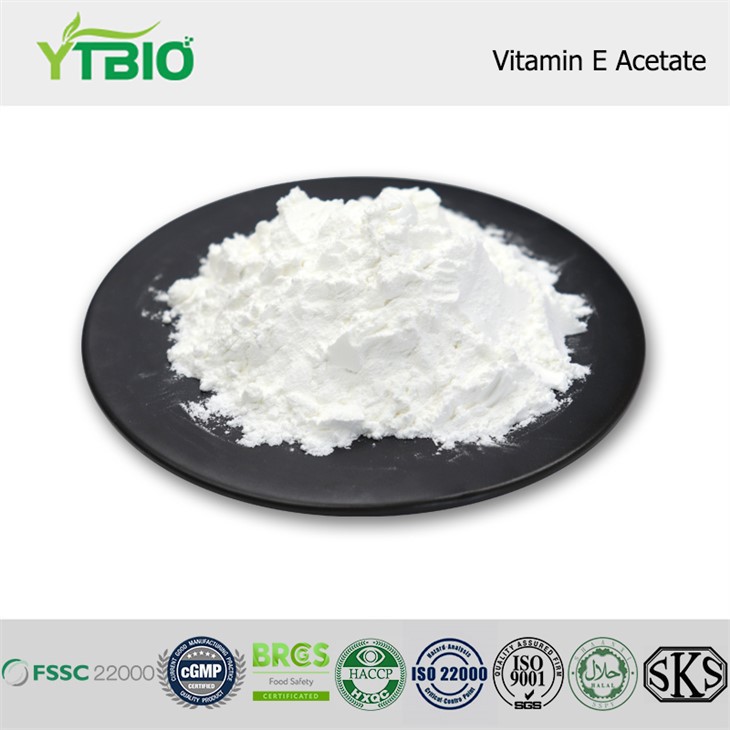
As a leading supplier, we also offer a range of other high - quality health - medical raw materials. Some of our related products include Pure Nicotinic Acid, Ferrous Glycinate, Vitamin E Acetate, Propolis Powder, and Liposomal Iron Powder. These products also have their own specific storage requirements, but they are all held to the same high - standards in our facilities to ensure their quality.
|
|
|

Conclusion
Proper storage of Oryzanol is essential to maintain its chemical stability, bioactivity, and overall quality. By controlling temperature, protecting from light, minimizing oxygen and moisture exposure, and ensuring proper storage conditions for bulk quantities, we can guarantee that the Oryzanol we supply remains in top - notch condition.
If you are interested in purchasing high - quality Oryzanol or any of our other health - medical raw materials, I encourage you to contact us for a procurement discussion. We are committed to providing our customers with the best products and services, and we look forward to working with you to meet your needs.
For more information about Oryzanol or other products, please contact:
Email: sales@sxytbio.com
Tel/WhatsApp: +86 177 8257 7059
References
- Choe, E., & Min, D. B. (2006). Chemistry of deep - fat frying oils. Journal of Food Science, 71(5), R77 - R86.
- Frankel, E. N. (2005). Oxidation of lipids. The Oily Press.
- Shahidi, F., & Zhong, Y. (2010). Stabilization of oils and fats and their applications. Woodhead Publishing.