The adenine dinucleotide (NAD+) is one of the most basic coenzymes that all living things use to make energy and carry out biological processes. Nicotinamide Adenine Dinucleotide is an important part of every living cell; it's the "fuel currency" or "spark plug" that makes energy and other important cellular processes possible. Without enough NAD+, key biochemical processes and the production of energy in cells would stop working properly. This detailed book looks at NAD+ from the point of view of B2B buying. It gives workers in the field the information they need to make smart choices about strategic sourcing and build good relationships with suppliers.
How to Understand NAD+ and Its Part in Cellular Health
The biological Basis of NAD+
Nicotinamide Adenine Dinucleotide is an important biological element that coordinates important redox processes in cellular metabolism. The pyridine nucleotide is an important part of the biological process that makes ATP. This helps cells turn food into energy that they can use. The coenzyme comes in two main forms: oxidized NAD+ and its reduced cousin, NADH. Each of these forms is important for moving energy around in cells in different ways.
It wasn't until 1906 that British biochemists Arthur Harden and William John Young found this important molecule while they were studying how fermentation works. However, Pierre Chambon's groundbreaking work on Poly ADP-ribosylation processes in the 1960s gave us a full understanding of how important NAD+ is. This study showed how critical protein groups like PARPs and sirtuins need NAD+ to work properly.
Making energy in cells and metabolic processes
In addition to its main function in energy metabolism, NAD+ plays a big part in DNA repair processes, mitochondrial production, and other metabolic pathways that affect genetic stability and cellular age. Because NAD+ has a direct effect on cell life and metabolic efficiency, these activities are especially important for businesses that make health-related goods.
Researchers have found a link between falling NAD+ levels and a number of health risks and faster aging. By age sixty, a person's NAD+ levels are less than half of what they were in earlier decades. This means that supplementation methods are becoming more important for product development in the nutrition and functional food industries.
What Quality Control Means for Product Development
Because NAD+ is so important to biological processes, it's important to have strict quality control measures in place when buying things and making things. Companies that use NAD+ ingredients in their products need to make sure that their products work by following strict testing methods and verifying their suppliers. This focus on quality control is especially important when making goods that aim to improve digestive health and cellular energy.
Increasing NAD+ Levels: Natural and Supplemental Ways to Do It
Making NAD+ on your own and getting it from food
Nicotinamide Adenine Dinucleotide production happens naturally in the body in a number of ways. Tryptophan and aspartic acid are used as building blocks in the de novo synthesis pathway, while NAD+ components that have already been made are reused in the rescue pathway. Food sources also help make NAD+ by providing precursors like niacin and other amino acids that are found in healthy foods.
Eating foods that are high in NAD+ precursors and living a busy lifestyle that supports cellular energy production are both natural ways to keep NAD+ levels high. However, these natural methods aren't always enough to get to the therapeutic amounts needed in certain situations. This is why supplementation techniques are so important for getting the health benefits you want.
Approaches for commercial supplementation
There are a lot of different ways to boost NAD+ in the supplement business, and each one has its own benefits for different uses. The main types of supplements that can be made commercially are listed below:
- Oral supplements: These come in pills, tablets, and powder forms that make it easy for people to take their goods.
- Applications on the skin: Patches and creams made for skin absorption provide different ways to give drugs.
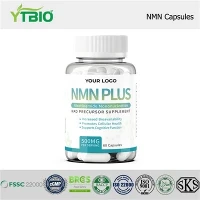
- Before compounds: And Nicotinamide Riboside (NR) and Nicotinamide Mononucleotide (NMN), which change into NAD+ inside cells.
- Direct preparations of NAD+: Offering instant absorption for specific uses that need fast cellular uptake
With these different recipe choices, companies can make tailored products that meet the needs of specific customer groups and tastes, while also making the products more bioavailable and low in cost.
Bioavailability Things to Think About and Safety Rules
When adding NAD+ ingredients to product lines, it is still very important to look at research facts about their effectiveness and possible combinations. Bioavailability rates change depending on the delivery method, so it's important to think carefully about the target population and the intended use. Protocols for quality assurance, such as third-party testing and certification verification, help procurement pros lower risks and make sure that all markets follow the rules.
Comparative Analysis of NAD+ Supplement Solutions for B2B Buyers
Market Overview and Supplier Landscape
When business-to-business buyers look around the Nicotinamide Adenine Dinucleotide ingredient market, they see a lot of different choices. They need to carefully consider absorption, application scenarios, and cost effects. There are well-known companies in the market that sell a range of products, from simple NAD+ crystals to complex precursor chemicals with better stable profiles.
When judging a supplier's trustworthiness, you look at their production skills, quality licenses, and past work in similar businesses. Companies that deal with nutrition materials, for example, often offer full technical support, legal advice, and customization options that help product development teams.
Strategies for Pricing and Cost-Effectiveness
When making decisions about bulk purchases, you have to weigh how much something costs against how well it works and how reliable the delivery is. Different providers have very different pricing systems, which are affected by things like production volume, quality levels, and approval needs. When buying teams understand these changes in price, they can negotiate better terms while still meeting quality standards.
Overall costs are also affected by how well the supply chain works. For example, wholesalers who offer efficient transportation and inventory management services add value above and beyond the price of raw materials. Companies with well-established delivery networks and legal knowledge can often charge higher prices because they can simplify buying and provide better support services.
Standards for quality and technical details
There are different scientific details about each NAD+ version that affects how well it works in certain situations. Purity levels, particle size distribution, and stable traits all have a direct effect on how well a product works and how long it lasts. To get the best products, business-to-business buyers must make sure that the technical needs of the customers are met by the suppliers' skills.
Quality paperwork, such as certificates of analysis and stability studies, is important for following the rules and making sure that quality standards are met. Suppliers who offer detailed technical paperwork and ongoing help make the process of developing new products easier and cut down on the time it takes to get them on the market.
NAD+ Procurement Strategies and Market Insights for B2B Clients
International Sourcing and Supplier Verification
To buy excellent NAD+ ingredients abroad, check supplier credentials and manufacturing standards. To guarantee vendors meet industry and regulatory standards, procurement experts must evaluate certifications, production methods, and client feedback. To ensure supplier quality, facility inspections, quality system audits, and performance monitoring are needed. Partnering with transparent suppliers with strong quality management systems eliminates procurement risks and fosters long-term relationships.
Customization and Private Labeling
Private labeling and OEM collaborations allow corporations to customize NAD+ ingredient compositions for market demands. These agreements let firms build unique goods using supplier NAD+ technology and manufacturing capabilities. Custom formulation services expedite product development with stability testing, regulatory assistance, and packaging options. Comprehensive customisation services from suppliers provide value-added collaborations beyond ingredient supply.
Industry trends and innovation
Innovative NAD+ delivery systems and bioavailability formulations are market trends. Environmentally concerned customers and regulators like new supply chain models that combine sustainability and traceability. Technology developments in encapsulation, sustained-release formulations, and combination products enable product differentiation. Keeping up with these trends helps procurement teams find strategic sourcing possibilities that provide them market benefits.
Conclusion
The molecule Nicotinamide Adenine Dinucleotide (NAD+) is an important part of how cells use energy and has many uses in the vitamin, nutrition, and functional food businesses. B2B workers can make smart buying choices that help product development succeed by learning about NAD+ biology, how markets work, and how to buy things. Companies that are making new health-focused goods can find a lot of possibilities in the growing NAD+ ingredient market, but only if they build relationships with qualified providers who can meet regular quality standards and provide full support.
FAQ
1. What differentiates NAD+ from NADH in supplements?
NAD+ and NADH are two oxidation states of the same coenzyme that perform different biochemical activities in cellular metabolism. NADH donates electrons in reductive reactions and accepts electrons in oxidative reactions. Supplements use NAD+ to boost cellular energy production pathways, whereas NADH affects mitochondrial energy synthesis via various processes.
2. How should procurement managers evaluate NAD+ supplier quality assurance protocols?
Facility certifications, analytical testing, and production standard documents should be included in quality assurance review. Suppliers must offer batch-specific analytical certifications, validated quality management systems, and regulatory compliance. Supply chain quality is maintained via supplier audits and performance monitoring.
3. Large-scale NAD+ integration in product formulations: what to consider?
Comprehensive safety, regulatory compliance, and stability testing under specified storage conditions are needed for large-scale NAD+ use. Procurement teams must consider formulation component interactions, shelf life, and manufacturing process compatibility. Market-specific regulatory compliance criteria need detailed documentation and continuing monitoring of target application safety profiles.
Join YTBlO for Premium NAD+ Solutions
YTBlO offers high-purity powders and customised formulations for worldwide B2B clients using Nicotinamide Adenine Dinucleotide technological expertise. Our strict quality control includes HACCP, ISO9001, ISO22000, HALAL, KOSHER, and FDA certifications, providing trusted supply chain relationships. Our quality management systems use standardized labs and detection facilities to ensure product quality. Quality assurance for each manufacturing batch is provided by expert third-party testing organizations, who give full analytical results to meet regulatory compliance standards.
YTBlO operates important transit warehouses in Europe (Netherlands, Rotterdam) and the US for fast worldwide distribution. Our expert sales staff provides quality and excellent service to clients in over 100 countries and 500 industries. We provide specialized technical assistance, regulatory advice, and scalable solutions to meet changing market needs as a trusted Nicotinamide Adenine Dinucleotide (NAD+) provider. Our customer-centric strategy includes customized pricing and account management for long-term collaboration success.
Businesses seeking reliable NAD+ ingredient sourcing can optimize their procurement strategies through our comprehensive support services and innovation-driven solutions. Contact our expert team at sales@sxytbio.com to explore bulk pricing opportunities and discover how YTBlO's trusted NAD+ solutions can enhance your supply chain stability and product competitiveness in dynamic market environments.
References
- Harden, A., & Young, W. J. (1906). The alcoholic ferment of yeast-juice. Proceedings of the Royal Society of London, 78(526), 369-375.
- Chambon, P., Weill, J. D., & Mandel, P. (1963). Nicotinamide mononucleotide activation of new DNA-dependent polyadenylic acid synthesizing nuclear enzyme. Biochemical and Biophysical Research Communications, 11(1), 39-43.
- Verdin, E. (2015). NAD+ in aging, metabolism, and neurodegeneration. Science, 350(6265), 1208-1213.
- Yoshino, J., Baur, J. A., & Imai, S. I. (2018). NAD+ intermediates: The biology and therapeutic potential of NMN and NR. Cell Metabolism, 27(3), 513-528.
- Cantó, C., Menzies, K. J., & Auwerx, J. (2015). NAD+ metabolism and the control of energy homeostasis: A balancing act between mitochondria and the nucleus. Cell Metabolism, 22(1), 31-53.
- Rajman, L., Chwalek, K., & Sinclair, D. A. (2018). Therapeutic potential of NAD-boosting molecules: The in vivo evidence. Cell Metabolism, 27(3), 529-547.