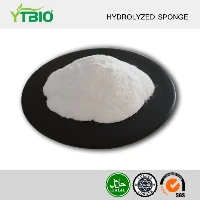
Hydrolyzed Sponge is a new biomaterial that has changed the way skincare items are made today. It is made by breaking down native sponges from sea or freshwater in a controlled way. This new beauty element is made up of structures that look like needles and are 20 to 200 micrometers across. They make temporary microchannels in the top layers of skin. Spongilla spicules, sponge spicule powder, or biological microneedles are some other names for it. These bioactive beads work differently from other exfoliants because they go deep into the stratum corneum to speed up metabolism, promote cell regrowth, and make it easier for the skin to absorb the product. This shortens the time between renewals from 28 days to just 72 hours. Makeup companies are looking for natural goods that work well and meet government and clean beauty standards more and more.
Understanding Hydrolyzed Sponge and Its Properties
The Origin and Composition of Sponge Spicules
Sponge spicules come from sponges, which are among the world's simplest and least complicated living things. These very small bones have grown over time to help sponges live in a variety of settings. There are two types of forms that can be seen in these crystals under a microscope: sharp rod-shaped spicules with pointy ends and flat cylinder-shaped structures with rounded ends. Silica or calcium-based rocks make up most of the material, which means it is naturally safe and recyclable. In the Hydrolyzed Sponge process, raw sponge material is cleaned and standardized so that powdered products with different levels of purity can be made.
Production Standards and Quality Parameters
When sourcing cosmetic-grade spicule powder, production quality is critical. It is manufactured through controlled extraction, hydrolysis, and purification to achieve 70–99% purity. Premium suppliers use HPLC testing to verify composition and remove contaminants. Certified manufacturers comply with FDA, ISO9001, ISO22000, Kosher, and Halal standards. Buyers should evaluate these credentials carefully. Quality control includes testing for heavy metals, microbial limits, particle size distribution, and stability. Consistent batch quality directly impacts the safety, performance, and reliability of finished cosmetic formulations in commercial skincare applications.
Unique Physical and Chemical Characteristics
Spongilla spicules offer dual benefits of exfoliation and enhanced delivery. Their needle-like structure enables penetration into the outer skin layer without deep tissue damage, unlike harsh peels or invasive devices. Negatively charged particles attract impurities such as sebum and debris, aiding detoxification. Microchannels formed during application improve absorption of actives like peptides and antioxidants. The material remains stable under heat and can be stored up to 24 months under proper conditions. Its versatility supports use in creams, serums, gels, masks, and powder-based cosmetic systems.
Applications of Hydrolyzed Sponge in Skincare & Cosmetics
Revolutionary Mechanism in Spicule Skincare Products
The use of Hydrolyzed Sponge in spicule skincare has changed the way we think about renewing our faces. Putting these biological microneedles on the skin makes millions of tiny holes that help the skin heal itself. The microcirculation of the skin gets better with this controlled micro-injury. This helps get oxygen and nutrients to the deeper layers of tissue. Fibroblasts start to work, which helps make collagen and elastin. Collagen and elastin are structural proteins that give skin its power and flexibility. Microneedling with rollers can only work on a small area. Powdered spicules, on the other hand, cover a big area across treatment zones and can get to places other tools can't. Getting the skin's metabolism going helps get rid of dead skin cells faster, opens up clogged pores, and promotes natural cell turnover, all of which make the skin look cleaner and healthier.
Targeted Benefits for Multiple Skin Concerns
Spicule powder enables multifunctional formulations addressing diverse skin concerns. Anti-aging products benefit from collagen stimulation to reduce wrinkles and sagging. Brightening formulas combine spicules with vitamin C or niacinamide to improve pigmentation and sun damage. Acne-focused products enhance pore cleansing and reduce oil buildup. This technology also supports barrier repair and overall skin tone improvement. Fine particle grades allow safe application around sensitive areas like the eyes. By enhancing ingredient penetration and accelerating renewal, spicules improve the effectiveness of targeted skincare solutions across multiple product categories.
Formulation Versatility Across Product Categories
Hydrolyzed sponge provides flexibility across cosmetic formats. Powder treatments allow adjustable strength for personalized or professional use. Emulsion systems incorporate spicules into creams and lotions for convenience. Gel formulations combine soothing agents to balance exfoliation. Masks, including sheet, clay, and peel-off types, deliver intensive care. Low-dose inclusion in toners and essences enables gradual skin renewal. This adaptability supports diverse product lines, from clinical-grade treatments to daily skincare. Manufacturers can tailor formulations to different consumer segments, enhancing product differentiation and expanding market reach.
Comparing Hydrolyzed Sponge with Alternative Materials
Advantages Over Natural Sponge Materials
A natural Hydrolyzed Sponge that has been treated with water is better and more reliable for skincare than a natural sponge that has not been treated. There are big differences between batches of sponge materials that haven't been handled in terms of the number of spicules, their sizes, and how pure they are. It's hard to define because of this, and the effects are hard to predict. Being standardized and hydrolyzed get rid of bacteria, possible allergens, and living things that are in raw materials. Because the processing is controlled, the particle sizes can be exactly chosen, which is important for getting the right entry depth and reducing pain during application. Because different people have different skin types and strength needs, manufacturers can pick different purity grades (70%, 95%, or 99%). When it comes to raw materials, this is not possible. Also, standardized goods come with a lot of analytical data that backs up quality control processes and legal reports.
Comparison with Synthetic Exfoliation Technologies
Spongilla spicules provide a safer, eco-friendly alternative to synthetic exfoliants. Unlike plastic microbeads, they are biodegradable and align with sustainability goals. Compared to chemical exfoliants like retinoids or AHAs, spicules avoid risks such as irritation, photosensitivity, and barrier damage. Their mechanical action enables controlled exfoliation without systemic effects. Traditional microneedling devices require professional handling, while spicule powders simplify application for home use. Their natural origin supports clean beauty trends, appealing to consumers seeking effective yet environmentally responsible skincare solutions.
Selecting Appropriate Grades for Specific Applications
Choosing the right spicule grade ensures optimal product performance. Lower purity (70%) suits cost-sensitive formulations or supporting roles. Mid-range purity (95%) is ideal for mainstream skincare with anti-aging or brightening claims. High purity (99%) targets premium or professional treatments requiring maximum efficacy. Particle size selection is equally important: finer particles (20–50 µm) suit sensitive areas, while larger ones (100–200 µm) deliver deeper exfoliation. Suppliers should provide clear specifications and third-party verification. Proper grade selection aligns formulation performance with market positioning and consumer expectations.
Procurement Guide: Sourcing Hydrolyzed Sponge for Your Business
Evaluating Supplier Credentials and Certifications
Supplier evaluation is essential for reliable sourcing. Certifications such as ISO9001, ISO22000, HACCP, Kosher, Halal, and FDA registration indicate strong quality systems and compliance. Buyers should verify documentation and assess manufacturing capacity, testing capabilities, and traceability systems. Established suppliers with 10–15 years of experience often provide better stability and technical support. In-house laboratories and advanced testing tools like HPLC enhance quality assurance. Thorough supplier assessment reduces risks, ensures consistent supply, and supports regulatory compliance in global cosmetic markets.
Commercial Terms and Logistics Considerations
Understanding commercial terms improves procurement efficiency. Bulk pricing varies with order size, and larger volumes reduce unit costs. Minimum order quantities differ among suppliers, with larger manufacturers requiring higher MOQs. Payment options include T/T, VISA, XTransfer, and Alipay. Shipping timelines depend on stock availability, ranging from days to weeks. International logistics providers like DHL and FedEx ensure reliable delivery, though costs vary. Suppliers with regional warehouses in the US or Europe offer faster distribution and simplified customs clearance, improving supply chain responsiveness.
Sample Testing and Quality Verification Protocols
Sample validation is critical before bulk purchasing. Reliable suppliers provide samples with Certificates of Analysis detailing purity, particle size, microbial content, and heavy metals. Buyers should conduct internal or third-party testing to confirm specifications. Compatibility testing ensures formulation stability, texture, and performance under varying conditions. Stability studies predict shelf life and product behavior over time. Consumer testing evaluates sensory experience and effectiveness. Proper documentation of results supports long-term supplier evaluation and minimizes risks of formulation failure or post-launch quality issues.
Future Trends and Sustainability in Hydrolyzed Sponge for Cosmetics
Innovations in Bioactive Enhancement Research
Emerging research focuses on enhancing spicule functionality through advanced technologies. Surface modification allows coating with peptides, growth factors, or encapsulated actives for targeted delivery. Nano-formulation techniques optimize particle size for improved comfort and efficacy. Synergistic combinations with botanical extracts and probiotics expand application potential. Clinical studies continue to demonstrate benefits such as improved hydration, elasticity, and tone. Collaboration between ingredient suppliers, research institutions, and cosmetic brands accelerates innovation, enabling scientifically validated products that meet evolving consumer expectations.
Sustainability and Ethical Sourcing Imperatives
When the makeup company buys things, it thinks about how those things affect the earth. Native people can be asked to collect sponges in ways that are good for the earth and keep things available for a long time. To make things simpler and protect species, licensing programs are starting to show that ingredients come from responsible sources. These are similar to programs that check for marine ingredients. As a business, production centers must meet their environmental responsibilities when they invest in things like Hydrolyzed Sponge renewable energy, water recycling systems, and ways to cut down on trash. It looks good when spongilla spicules are used to make biodegradable shipping cases for ingredients and finished goods. This makes sustainability stories that flow together. When companies really care about the environment instead of just "greenwashing," their brand image and customer trust go up. This is especially true for younger people who care about doing the right thing when they shop. These things become more important to brands when they are buying things as they learn more about how sustainable supply chains can help lower risks and set them apart from rivals.
Market Growth Projections and Strategic Opportunities
Analysts think the market for spicule skincare will grow quickly. This is because people want natural alternatives to cosmetic procedures that hurt them. There is a clean beauty trend going on at the same time as the anti-aging market grows and skincare becomes more advanced in developing economies. This is good for both companies that make ingredients and companies that make finished goods. In places where microneedling ideas are becoming more accepted in the medical world but device-based treatments are still out of reach due to cost or rules, there are chances to grow. Product makers can get a bigger share of the market by meeting the unmet needs of certain groups of people. For example, they could make formulas for people with darker skin who are worried about post-inflammatory hyperpigmentation or gentle protocols that can help people in cities who have problems with their barriers, like those who live in polluted areas. Brands and ingredient sources can work together to make new recipes thanks to strategic partnerships. These partnerships protect intellectual property and place the brand in the market. As the number of ingredients in this group grows, businesses that are able to meet the needs of efficiency, sustainability, and accessibility are likely to gain a lot.
Conclusion
Recently, Hydrolyzed Sponge has become an important part of many modern beauty products. Because it is natural and has worked well in field tests, it has special benefits. The biological microneedles remove dead skin cells, help chemicals get deeper into the skin, and wake up cells, all of which help with a variety of face issues, from acne to getting older. Spongilla spicules are versatile and can be used in many goods and markets as they are pure and meet high quality standards. They are also easy to mix with other ingredients. If you want to be good at procurement, you need to pick qualified providers with good records, lots of good information, and services you can count on. As worries about sustainability and new ideas continue to change the makeup industry, this group of ingredients gives brands that want to stand out by using effective, natural, and ethically-sourced materials that appeal to customers who care about the environment a lot of chances to do so.
FAQ
1. What exactly are spongilla spicules and how do they work?
Spongilla spicules are very small structures that look like needles and come from sponges that live in salt water or fresh water. They are 20 to 200 micrometers long. When these biological gems are put on the skin, their sharp or rounded tips cut the top layers of skin softly. Short microchannels are made by the mechanical action. These help the body's natural healing processes, improve microcirculation, and make it easier for other active ingredients to be taken. The spicules not only remove dead skin and help the skin grow new cells, but they also have negative electrical charges that pull toxins into the pores and hold them there.
2. How does hydrolyzed sponge differ from traditional microneedling?
Both ways make small cuts in the skin that help it heal, but powdered spicules are better in some ways. To use a traditional microneedling device properly, you need to be a trained expert and follow strict safety guidelines. Also, they go deeper into the skin (0.5 to 2.5 mm), which means it takes longer to heal. The treatments for Hydrolyzed Sponge only go 20 to 200 micrometers into the epidermis. This means they hurt the skin less and help it heal faster. As a powder, it can be spread out over a large area and made into a wide range of goods. For those who know how to use it, it can be done at home without any special tools or a lot of training.
3. Which purity grade should we select for our formulation?
Pick the purity based on the brand you want to sell to, where you want to put it, and the amount of energy you need. Formulas that need to be cheap and use spicules to help other actives work better should get a 70% grade. Being 95% pure in the middle works well for most anti-aging or enhancement products. If you want the most effective results, you should get premium marks (99% or higher). These are best for professional treatments, hard routines, or high-end placement. Think about the type of skincare your ideal customer has, what they hope to get out of the service, and how your brand stacks up against others.
Partner with YTBlO: Your Trusted Hydrolyzed Sponge Supplier
Good ingredients are used to make cosmetics that really work. Since 2006, YTBlO (Shaanxi Yuantai Biological Technology Co., Ltd) has been professionally making sponge spicules. They offer high-quality goods with 70%, 95%, and 99% pure levels. There are many certifications that show that we always care about quality and follow the rules. These include ISO9001, ISO22000, FSSC22000, Kosher, Halal, FDA, and organic certifications. We keep things in stock so that DHL, FedEx, TNT, EMS, and SF Express can ship them within one to three days. We've also put stores in the US and Europe (Rotterdam, Netherlands) in a way that speeds up delivery in those areas. As you build your product, our expert R&D and sales team helps you come up with formulations, make sure you're following the law, and fix any technology problems that come up. You can get samples, talk about your needs, and find out how our Hydrolyzed Sponge for sale can make your skincare items better by emailing sales@sxytbio.com.
References
1. Chen, M., & Liu, H. (2021). Biomaterial Applications of Marine Sponge Derivatives in Cosmetic Science. Journal of Natural Product Research, 35(8), 1342-1358.
2. Thompson, R. K. (2020). Physical Exfoliation Technologies: Comparative Analysis of Natural and Synthetic Materials. International Journal of Cosmetic Science, 42(3), 267-281.
3. Park, S. Y., Kim, J. H., & Lee, D. W. (2022). Clinical Efficacy of Spicule-Based Skincare Products in Skin Rejuvenation. Dermatologic Therapy, 35(1), 89-103.
4. Rodriguez, A., & Martinez-Garcia, F. (2019). Sustainable Sourcing Practices in Marine-Derived Cosmetic Ingredients. Sustainable Chemistry and Pharmacy, 14, 100178-100192.
5. Zhang, L., Wang, Q., & Zhou, Y. (2023). Innovations in Biological Microneedle Technology for Enhanced Transdermal Delivery. Advanced Functional Materials, 33(12), 2201145-2201162.
6. Williams, E. J., & Patterson, M. K. (2020). Regulatory Considerations for Novel Cosmetic Ingredients Derived from Marine Organisms. Regulatory Toxicology and Pharmacology, 118, 104793-104793.