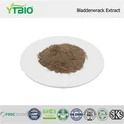
Bupleurum root extract, derived from the Bupleurum falcatum plant, has been a staple in traditional Chinese and Japanese medicine for centuries. Known for its potential health benefits, this herbal extract has garnered attention for its possible effects on the immune system. In this article, we'll examine the relationship between Bupleurum root extract and immune modulation, exploring its mechanisms of action and potential applications.
How does Bupleurum regulate immune response?
The immune system is a complex network of cells, tissues, and organs that work together to defend the body against harmful pathogens. Bupleurum root extract may play a role in modulating this intricate system through various mechanisms.
Influence on immune cell activity
Research suggests that Bupleurum may affect the activity of various immune cells, including:
- T lymphocytes: These cells play a crucial role in cell-mediated immunity. Bupleurum has been shown to enhance T cell proliferation and activation, potentially boosting the immune response.
- Natural killer (NK) cells: These cells are vital for innate immunity and tumor surveillance. Some studies indicate that Bupleurum may increase NK cell activity, potentially enhancing the body's ability to recognize and eliminate abnormal cells.
- Macrophages: These cells are essential for phagocytosis and antigen presentation. Bupleurum may modulate macrophage function, influencing their ability to engulf and process foreign substances.
Modulation of immune signaling pathways
Bupleurum contains bioactive compounds, such as saikosaponins, that may influence various immune signaling pathways. These pathways are crucial for coordinating immune responses and maintaining homeostasis. By modulating these signaling cascades, Bupleurum may help regulate immune function and promote balance within the immune system.
Bupleurum's effect on cytokine production
Cytokines are small proteins that act as messengers in the immune system, coordinating responses and regulating inflammation. Bupleurum root extract has been shown to influence the production and activity of various cytokines, potentially impacting overall immune function.
Pro-inflammatory cytokine modulation
Bupleurum may help regulate the production of pro-inflammatory cytokines, such as:
- Tumor Necrosis Factor-alpha (TNF-α): This cytokine plays a crucial role in acute inflammation and immune cell activation. Bupleurum has been shown to modulate TNF-α levels, potentially helping to manage excessive inflammation.
- Interleukin-6 (IL-6): IL-6 is involved in both pro-inflammatory and anti-inflammatory responses. Studies suggest that Bupleurum may help regulate IL-6 production, contributing to a balanced immune response.
- Interleukin-1β (IL-1β): This cytokine is a key mediator of inflammatory responses. Bupleurum may help modulate IL-1β levels, potentially influencing the intensity and duration of inflammatory reactions.
Anti-inflammatory cytokine enhancement
In addition to regulating pro-inflammatory cytokines, Bupleurum may also influence the production of anti-inflammatory cytokines, such as:
- Interleukin-10 (IL-10): This cytokine plays a crucial role in limiting and terminating inflammatory responses. Some studies suggest that Bupleurum may enhance IL-10 production, potentially contributing to its anti-inflammatory effects.
- Transforming Growth Factor-β (TGF-β): TGF-β is involved in immune regulation and tissue repair. Bupleurum may influence TGF-β levels, potentially supporting immune balance and tissue homeostasis.
Autoimmune condition management with Bupleurum
Autoimmune conditions occur when the immune system mistakenly attacks the body's own tissues. While more research is needed, some studies suggest that Bupleurum root extract may have potential applications in managing certain autoimmune conditions.
Potential mechanisms in autoimmune modulation
Bupleurum may influence autoimmune conditions through several mechanisms:
- T cell regulation: By modulating T cell activity, Bupleurum may help restore balance in the immune system, potentially reducing excessive immune responses associated with autoimmune conditions.
- Cytokine balance: Through its effects on cytokine production, Bupleurum may help regulate the inflammatory responses often associated with autoimmune disorders.
- Antioxidant properties: Some compounds in Bupleurum exhibit antioxidant effects, which may help protect tissues from oxidative stress associated with chronic inflammation in autoimmune conditions.
Promising areas of research
While more clinical studies are needed, preliminary research has explored the potential of Bupleurum in various autoimmune-related areas:
- Rheumatoid arthritis: Some studies suggest that Bupleurum may help modulate inflammatory responses associated with rheumatoid arthritis, potentially offering support for joint health.
- Lupus: Preliminary research indicates that Bupleurum may have potential in supporting immune balance in lupus, though more extensive clinical trials are needed to confirm these effects.
- Inflammatory bowel diseases: Some traditional formulations containing Bupleurum have been studied for their potential in managing inflammatory bowel conditions, though more research is needed to understand the specific role of Bupleurum in these applications.
It's important to note that while these areas of research are promising, more comprehensive clinical studies are needed to fully understand the potential benefits and limitations of Bupleurum in managing autoimmune conditions.
Conclusion
The potential of Bupleurum root extract to modulate immunity is an exciting area of research. From its effects on immune cell activity to its influence on cytokine production and potential applications in autoimmune conditions, Bupleurum offers intriguing possibilities for supporting immune health. However, it's crucial to approach these findings with caution and recognize the need for further research to fully understand the mechanisms and efficacy of Bupleurum in immune modulation.
As we continue to explore the potential of natural compounds in supporting health, it's essential to rely on high-quality, scientifically-backed ingredients. For businesses in the health food, nutraceutical, and functional beverage industries looking to incorporate innovative, natural ingredients into their products, partnering with a reputable supplier is crucial.
A reputable Bupleurum Root Extract manufacturer, Shaanxi Yuantai Biological Technology Co., Ltd (YTBIO) is a top supplier of natural products, including Bupleurum Root Extract. To assist companies in developing state-of-the-art health and wellness products, YTBIO provides a variety of organic and natural ingredient solutions backed by a dedication to quality, creativity, and happy customers. With its superior ingredients and outstanding service, YTBIO caters to a wide variety of sectors, including vegan food producers, nutraceutical enterprises, and beverage brands.
If you're interested in exploring how Bupleurum root extract or other natural ingredients can enhance your product line, we invite you to reach out to our team of experts. With our extensive experience, quality certifications, and commitment to innovation, we're here to help you develop products that stand out in the market and meet the growing demand for natural, health-promoting ingredients.
To learn more about our products and how we can support your business, please contact us at sales@sxytbio.com. Our team is ready to assist you in finding the perfect natural ingredient solutions for your unique needs.
References
1. Zhang, L., et al. (2018). Immunomodulatory effects of Bupleurum polysaccharides on macrophage functions. Journal of Ethnopharmacology, 219, 138-144.
2. Sun, Y., et al. (2019). Saikosaponins: A review of pharmacological effects and mechanisms of action. Journal of Ethnopharmacology, 238, 111842.
3. Wang, X., et al. (2020). The role of Bupleurum chinense and its constituents in the treatment of liver diseases. Phytomedicine, 67, 153158.
4. Li, H., et al. (2017). Immunomodulatory activities of polysaccharides isolated from Bupleurum chinense. Carbohydrate Polymers, 168, 287-296.
5. Chen, Y., et al. (2021). Bupleurum falcatum L. and its bioactive compounds in the treatment of inflammation: A comprehensive review. Biomolecules, 11(7), 940.
6. Zhao, Q., et al. (2019). Saikosaponins: A review of their mechanisms of action in the treatment of liver diseases. Frontiers in Pharmacology, 10, 1205.