
When sourcing ingredients for bone health supplements, Vitamin D3 Powder stands as the premier choice for manufacturers seeking formulation flexibility. This bioactive cholecalciferol powder, created through uniform adsorption onto carriers like maltodextrin, delivers enhanced calcium absorption capabilities compared to D2 variants. Quality Vitamin D3 Powder ensures optimal bone mineralization support while offering manufacturing advantages including stability, dispersibility, and consistent potency retention across diverse production environments.
Introduction
The global supplement industry recognizes Vitamin D3 Powder as a key component in bone health formulas, as it aids in calcium absorption and bone formation. With millions of people worldwide deficient in this vital nutrient, it remains a top choice for B2B buyers in the nutrition and healthcare sectors.
Procurement professionals understand that sourcing high-quality cholecalciferol powder is essential to ensure the product's effectiveness and compliance with regulations across international markets. Powdered forms are preferred over liquids due to their stability, longer shelf life, and versatility in production, making them suitable for everything from functional foods to dietary supplements.
This comprehensive study educates procurement professionals on the scientific foundations of Vitamin D3 Powder, market applications, and key selection criteria for optimal product development. Understanding these factors enables smarter sourcing decisions and supports long-term partnerships in the competitive nutraceutical industry.
Understanding Vitamin D3 Powder and Its Role in Bone Health
Chemical Composition and Manufacturing Process
During production, cholecalciferol is uniformly absorbed onto carrier materials to create a free-flowing powder that retains its biological activity and resists environmental degradation. This method enhances storage stability, ensures uniform distribution in low-dose formulations, and prevents potency variations that could compromise safety.
Manufacturing standards typically range from 100,000 to 500,000 IU/g, with particle size optimized for efficient blending and capsule filling. To protect against oxidation, light, and heat during processing, microencapsulation is used to maintain product integrity.
Biological Mechanisms in Bone Health
Vitamin D3 Powder is an important part of maintaining calcium balance because it helps the body absorb calcium in the gut and supports the calcification of bones. When you eat cholecalciferol, your liver changes it into calcidiol, and then your kidneys turn it into calcitriol, which is the hormone that moves calcium across intestine walls.
This metabolic process has a direct effect on maintaining bone density and stopping diseases like osteomalacia and skeletal abnormalities that are caused by a lack of it. According to research, having enough vitamin D3 levels improves the control of parathyroid hormones. This leads to better calcium and phosphorus absorption, which is important for building healthy bone matrix.
Secondary Benefits Beyond Bone Health
Vitamin D3 Powder does more than just support bones; it also helps the defense system and the process of cell division. Because of these extra benefits, supplement companies can set their products apart in crowded markets by making formulas that target more than one health issue at the same time.
Studies in humans show that taking vitamin D3 supplements can help keep your heart healthy and help your defense system work properly. With these results, companies that want to sell their products for more than just bone health can use a wider range of strategies.
Key Factors to Consider When Choosing Vitamin D3 Powder for Procurement
Quality Certifications and Regulatory Compliance
Key certifications include ISO 22000 for food safety management, HACCP implementation, and region-specific approvals such as FDA registration for the U.S. or EU organic certification for Europe. These credentials ensure compliance with international quality standards and support smoother regulatory approval for finished products.
Third-party testing should cover potency, microbiological safety, heavy metals, and residual solvents. Suppliers that provide complete certificates of analysis demonstrate strong quality control and transparency, reducing procurement risks related to non-compliance.
Source Variations and Market Positioning
Vitamin D3 Powder sources include natural versions made from lanolin, synthetic versions, and new vegan versions that cater to a wide range of buyer tastes. Natural cholecalciferol that is taken from lanolin is more bioavailable, but manufactured choices are cheaper for markets that care about price.
Vegan vitamin D3 options that come from lichen cost more but meet the growing demand for plant-based supplements. Figuring out these differences between sources lets companies strategically place their products and make sure they're meeting the needs of their target market while keeping prices low.
Form and Dosage Considerations
Powder formulations are easier to manufacture than pre-encapsulated options, allowing for customized dosing and multi-nutrient blending. Direct compression grades withstand tableting pressure without compromising ingredient purity, while cold-water–dispersible versions support innovative beverage applications.
Variable potency levels enable uses ranging from low-dose maintenance formulas to therapeutic supplements for deficiency groups, providing the flexibility to develop diverse product lines for multiple market segments.
Comparing the Best Vitamin D3 Powder Supplements in the Market
Supplier Reputation and Performance Metrics
Leading sellers in the industry keep a lot of certifications, like kosher, halal, and organic qualifications, to meet the needs of a wide range of markets. Analyzing customer feedback shows that trustworthy sellers put technical support first, offering formulation advice and regulatory help throughout the product development cycle.
Performance metrics include things like how reliable delivery is, how consistent quality is, and how quick customer service is. When suppliers keep global delivery networks with regional warehousing facilities, they can provide better transportation support, cut down on wait times, and make just-in-time inventory management strategies possible.
Bioavailability and Stability Comparisons
When compared to liquid versions, Vitamin D3 Powder exhibits better stability properties, keeping more than 90% of its potency after 12 months of normal storage. Variants that are microencapsulated don't break down when heated during production processes like pelleting and processing.
Bioavailability studies show that powder formulations that are properly made have absorption rates that are similar to liquid alternatives. They are also easier for both customers and makers to use. The benefits of stability include longer shelf lives, less worry about inventory turnover, and help with foreign marketing plans.
Synergistic Formulation Opportunities
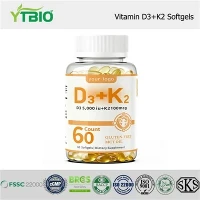
Vitamin D3 Powder is widely found in modern bone health formulas, often combined with other nutrients that work well together, like vitamin K2 and calcium. These nutrients work together to make the formula more effective overall. These combination tactics help with all aspects of bone health and set goods apart in markets that are already very competitive.
Researchers have found that giving vitamin K2 along with calcium improves its use by moving mineral formation toward bone tissue instead of soft tissues. This scientific basis helps with the creation of multi-nutrient formulas for educated customers who want complete nutritional support.
How to Procure Vitamin D3 Powder: Purchase and Logistics Guide for B2B Clients
Supplier Identification and Vetting Processes
When screening a supplier for the first time, you should look at their manufacturing certifications, records of legal compliance, and signs of financial security. When you visit or take a video tour of a possible vendor's location, you can learn about their production capabilities, quality control systems, and operating standards.
Checking references with current customers is a great way to learn about a supplier's performance, such as how reliable their deliveries are, how consistent their quality is, and how well they can solve problems. Through this due research process, companies who can support long-term strategic partnerships instead of transactional relationships are found.
Pricing Structures and Negotiation Strategies
Vitamin D3 Powder prices depend on a number of things, such as the cost of the raw materials, how hard it is to make, and how many orders are placed. Pricing tiers based on volume usually give big discounts to people who buy a lot, which encourages combined buying strategies that lower costs per unit.
When negotiating a contract, the parties should talk about quality standards, delivery times, payment terms, and "force majeure" clauses that protect against supply delays. Long-term deals often get better prices and make sure there is a steady supply during times when the market is unstable.
International Shipping and Storage Considerations
To get Vitamin D3 Powder around the world, it needs special packing that keeps it safe from light, moisture, and changes in temperature while it's in transit. When a product is made and then delivered to a customer, it stays intact as long as it is stored properly. This ensures that quality standards are always met.
International shipments must include regulatory paperwork like certificates of analysis, ingredient statements, and shipping documents to make the customs clearance process easier. Experienced sellers offer full documentation support, which cuts down on delays and makes sure that all requirements are met by the target country.
Company Introduction and Our Vitamin D3 Powder Solutions
Manufacturing Capabilities and Quality Standards
Our cutting-edge factories have many international certificates, such as HACCP, ISO9001, ISO22000, HALAL, KOSHER, and FDA registration, which makes sure they follow all global rules and regulations. These certificates show that we are dedicated to high excellence and make it easy for us to reach markets in different countries.
Protocols for quality control include checking the raw materials, keeping an eye on the work in progress, and testing the end product in approved labs and by third-party testing agencies. Every batch of Vitamin D3 Powder goes through a full analysis that includes checking the powder's strength, microbiological testing, and contaminant screening. Customers are given detailed certificates of analysis that can be used to support regulatory applications.
Product Portfolio and Customization Services
YTBlO has a variety of Vitamin D3 Powder types, from low-concentration varieties that are good for general use to high-concentration varieties that are better for specific uses. Our cold-water dispersible options can be used in the beverage business, and our direct compression grades can be used in solid dose production.
OEM and ODM services offer full formulation support, which helps clients make new goods that target specific market groups. Technical help includes stable tests, compatibility studies, and legal advice, which makes sure that products start successfully while keeping costs and development timelines as low as possible.
Global Distribution Network
Our foreign reach includes branch offices in the Netherlands and the US, as well as carefully placed transit warehouses that make delivery services in both Europe and North America run smoothly. This system helps cut down on wait times and improve customer service for clients around the world.
Dedicated customer support teams help in multiple languages, offer technology advice, and coordinate procedures to make sure that purchases go smoothly. Our dedication to relationship goes beyond just selling products; it also includes working with clients on a regular basis to help them succeed in tough markets.
Conclusion
For bone health purposes, choosing the best Vitamin D3 Powder takes a thorough analysis of quality standards, source capabilities, and formulation needs. To be successful, you need to work with seasoned manufacturers who can provide regular quality, technical know-how, and effective supply chain performance. In particular, the powder form has many benefits, such as higher stability, more manufacturing options, and lower costs for mass production. Strategic purchasing choices that take into account certification needs, preferred suppliers, and the need for customization allow for the creation of unique goods that meet changing market needs while keeping competitive advantages.
FAQ
1. What dosage recommendations apply to Vitamin D3 Powder formulations?
In manufacturing formulations, Vitamin D3 Powder is usually added at amounts range from 400 IU to 4000 IU per serving, based on the intended use and target audience. Regulatory rules change from place to place. In most markets, adults can take up to 4000 IU of supplements every day, but baby formulas need much lower amounts.
2. How does Vitamin D3 Powder stability compare to capsule forms?
When compared to liquid-filled capsules, Vitamin D3 Powder with proper microencapsulation keeps better stability, with retention rates higher than 90% after 24 months. The protective binder stops oxidative breakdown and lets production processes happen that would damage liquid formulas.
3. What safety considerations apply to Vitamin D3 Powder handling?
The standard safety rules for manufacturing include measures such as controlling dust, ensuring proper airflow, and wearing appropriate safety gear when handling Vitamin D3 Powder. As long as standard workplace hygiene practices are followed, the safety risk should be minimal. However, excessive exposure should be avoided by adhering to the appropriate engineering controls.
Call to Action: Partner with Us for Quality Vitamin D3 Powder Supply
YTBlO offers free sample evaluation and technical advice services so that buying professionals can try out all of our Vitamin D3 Powder solutions. Because we know how to make Vitamin D3 Powder, have foreign certifications, and can ship all over the world, we are the best choice for discerning B2B clients looking for reliable relationships.You can talk to our expert sales team at sales@sxytbio.com about your unique needs, ask for product samples, and look into the possibility of making a special formulation.
References
1. Holick, Michael F. "Vitamin D Deficiency and Its Clinical Implications in Bone Health." New England Journal of Medicine 377.13 (2017): 1256–1266.
2. A committee from the Institute of Medicine will look over the dietary reference intakes for calcium and vitamin D. From the National Academies Press in Washington, DC, comes "Dietary Reference Intakes for Calcium and Vitamin D."
3. "Vitamin D3 Powder Versus Oil-Based Supplements: Comparative Bioavailability and Stability Analysis." Journal of Nutritional Science 8.2 (2019): e15. This paper was written by Kevin D. Cashman et al.
4. The American Journal of Clinical Nutrition 95.6 (2012): 1357–1364 has an article by Tripkovic, Laura, et al. called "Comparison of Vitamin D2 and Vitamin D3 Supplementation in Raising Serum 25-Hydroxyvitamin D Status."
5. Nichith, Charoenngam, and Michael F. Holick. Nutrition Facts 12.7 (2020): 2097. "Immunologic Effects of Vitamin D on Human Health and Disease."
6. The following article was published in the Journal of Clinical Endocrinology and Metabolism in 2011: Ross, A. Catherine, et al. "The 2011 Report on Dietary Reference Intakes for Calcium and Vitamin D from the Institute of Medicine: What Clinicians Need to Know."