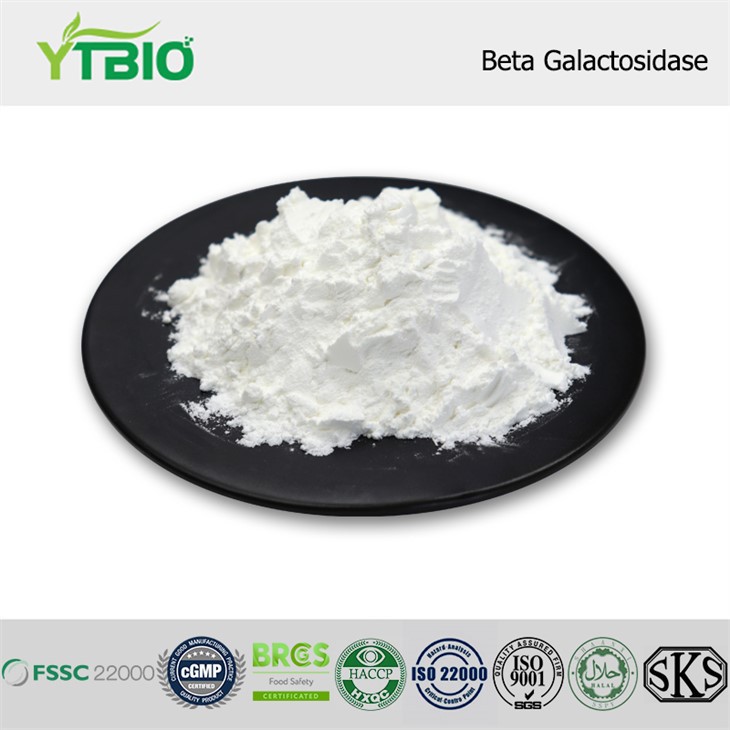
Shaanxi Yuantai Biological Technology Co., Ltd. is one of the most reliable manufacturers and suppliers of beta galactosidase in China. With abundant experience, we warmly welcome you to wholesale bulk beta galactosidase for sale here from our factory. Quality products and reasonable price are available.
Products Description
Beta galactosidase is an enzyme that catalyzes the hydrolysis of β-galactosidic bonds. In the human body, it primarily functions as a digestive enzyme (lactase) to break down lactose. It is also an important indicator of kidney function and a commonly used tool enzyme in molecular biology research.
Basic Definition and Biological Function
- Enzyme Classification: β-Galactosidase (EC 3.2.1.23) belongs to the glycosidic hydrolase family and catalyzes the hydrolysis of β-galactosidic bonds in β-galactoside compounds.
Dual Role:
- Digestive Enzyme (Lactase): Found in the brush border of the small intestinal mucosa, its main function is to hydrolyze lactose into glucose and galactose for absorption and utilization by the body.
- Kidney Function Indicator (GAL): As a hydrolytic enzyme in lysosomes, it is found in high concentrations in the proximal convoluted tubule epithelial cells of the kidney. Urinary GAL activity can reflect early damage to the renal tubules.
Sources and Distribution:
- Microbial Sources: Bacteria (Escherichia coli, lactic acid bacteria), molds (Aspergillus niger, Aspergillus oryzae), yeasts (Kluyveromyces kluyveromyces), etc. Only β-galactosidase from microbial sources has industrial application value.
- Plant and Animal Sources: Plants (apricot, almond, apple) and the small intestine of young mammals.
Operating Conditions:
- Optimal pH range is 4.0–7.5 (varies depending on the source); optimal operating temperature range is 37–50℃.
What are the benefits?
Lactose Breakdown and Metabolism
- Lactose Breakdown: β-galactosidase hydrolyzes lactose into glucose and galactose, helping organisms (such as gut microbiota) utilize lactose as a carbon source.
- Application in Lactose Intolerance: Some individuals are lactose intolerant due to a deficiency of this enzyme. Supplementation with β-galactosidase (such as lactase preparations) can aid in the digestion of dairy products, but should be used under a doctor's prescription.
Molecular Biology Research Tools
- Reporter Gene Detection: In genetic engineering, the β-galactosidase gene (*lacZ*) is often used as a reporter gene. Enzymatic reactions (such as X-gal staining) are used to detect gene expression or successful vector construction.
- Recombinant Protein Expression Systems: Some expression vectors utilize the α-peptide complementarity of this enzyme to screen recombinant clones.
Cellular Senescence Markers
- SA-β-gal Detection: Senescence-associated β-galactosidase (SA-β-gal) is a classic marker of cellular senescence. Its activity increases at pH 6.0 and is used for in vitro identification of senescent cells.
- Anti-aging research: Inhibiting or activating this enzyme's activity can aid in the study of aging mechanisms and intervention strategies.
Industrial and medical applications
- Food processing: Used in dairy product production to reduce lactose content and improve taste and digestibility.
- Biosynthesis: Catalyzes the synthesis of functional sugars such as galactooligosaccharides.
- Disease treatment: For hereditary lactase deficiency, related enzyme replacement therapy should be used under the guidance of a doctor.
Applications
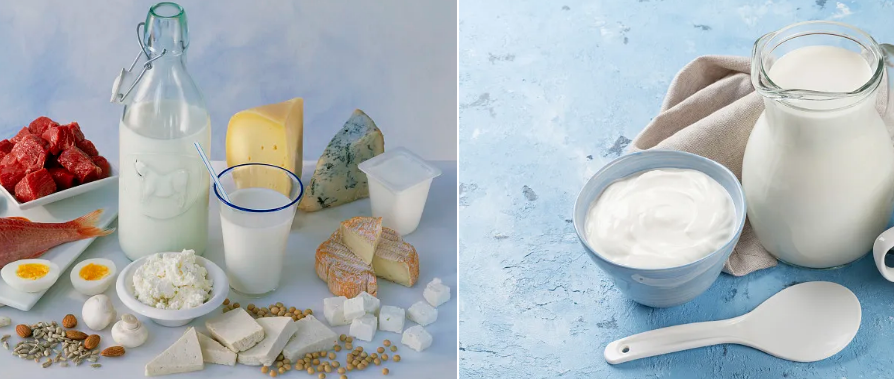
Lactase is widely distributed, found in microorganisms (yeasts, fungi, bacteria, and actinomycetes), plants, and animal tissues. Lactase has two main functions: first, it catalyzes the hydrolysis of β-1,4-galactosidic bonds, breaking down one molecule of lactose into one molecule each of two monosaccharides, galactose and glucose; second, it can also generate galacto-oligosaccharides by transferring galactosidic bonds. The applications of lactase are mainly based on these two functions:
1. Catalytic decomposition of lactose: Industrially, lactase is primarily used in the dairy industry to hydrolyze lactose in dairy products, producing low-lactose or lactose-free dairy products for the lactose-intolerant population.
2. Galacto-oligosaccharide transfer: Galactose is converted into galacto-oligosaccharides by lactase. This technology allows for the production of galacto-oligosaccharides, which are currently available on the market.
Company introduction and certificates obtained
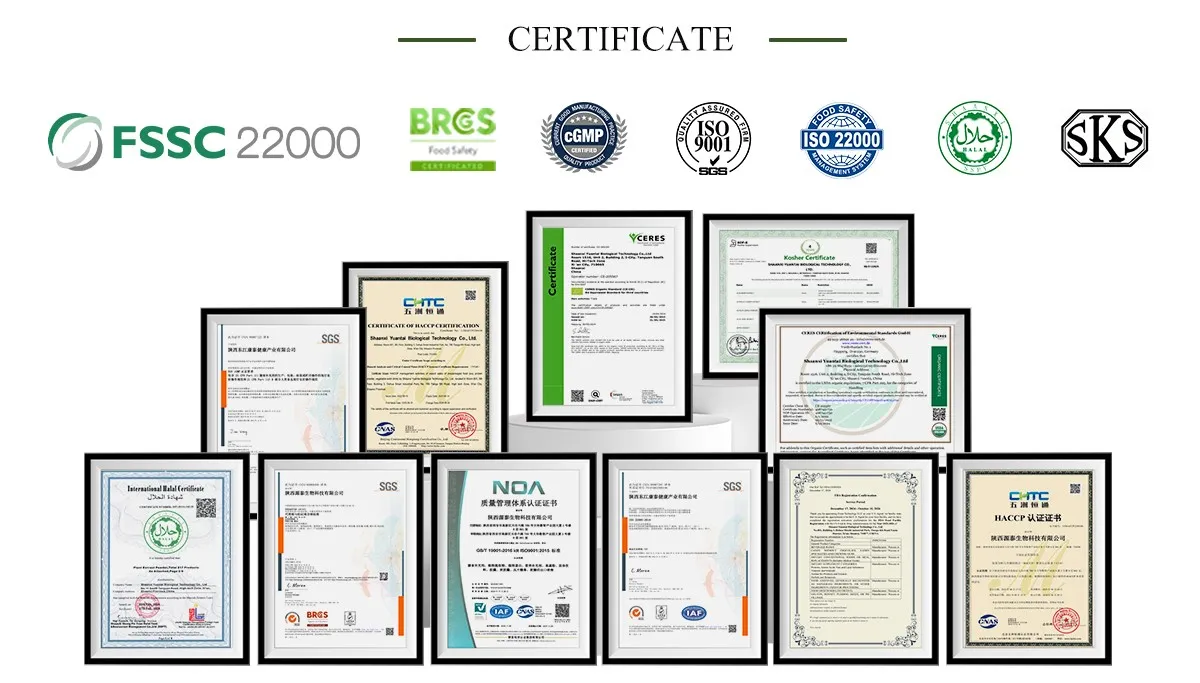
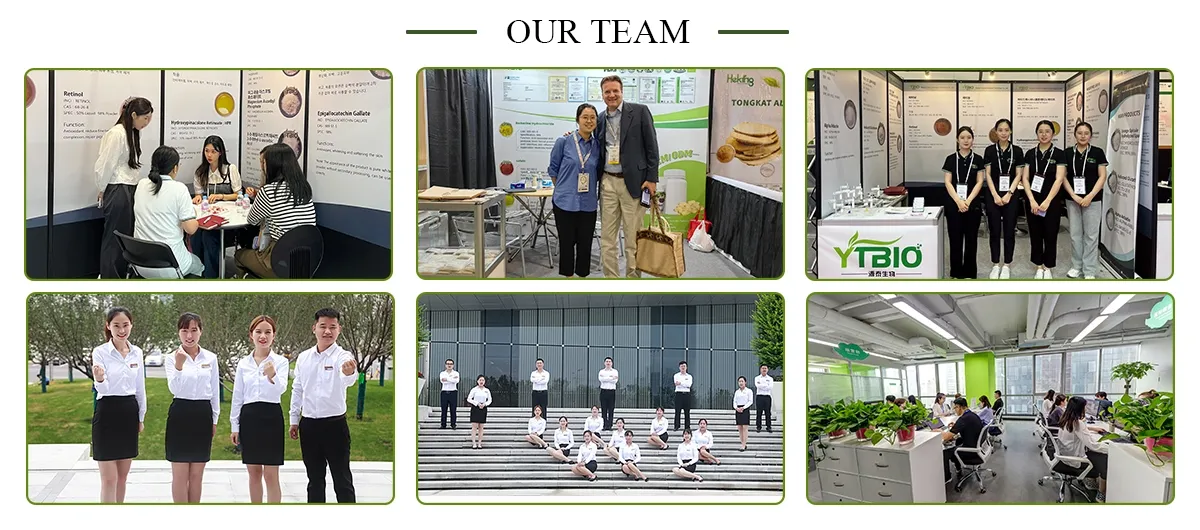
Shaanxi Yuantai Biotechnology Co., Ltd. was established in 2014, mainly supplying herbal extracts, functional cosmetic raw materials, organic products, etc. We have our own factories, R&D and quality inspection teams, and have the conditions for development, production, and quality assurance. At present, we have obtained ISO9001, ISO22000, HALAL, KOSHER, HACCP, FDA and other certificates. Therefore, the quality of our products is guaranteed, and it is our original intention to bring high-quality products to customers.

packaging
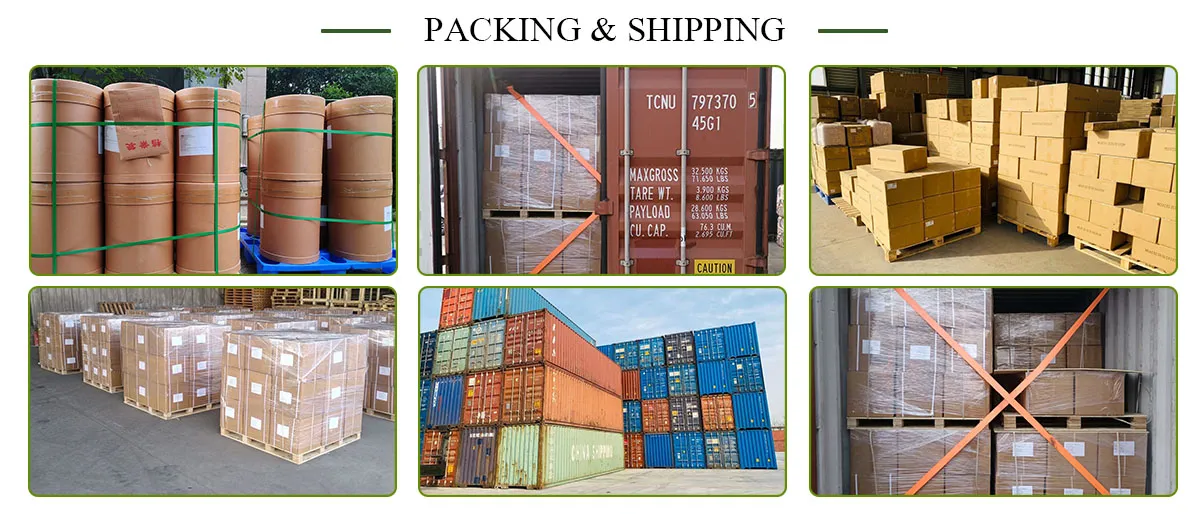
1KG/Aluminium bags , 25kg/barrel
Storage: Store in a cool, dry, clean place away from moisture and direct light.
We also have special packaging for special products, such as: retinal - cold chain transportation; deoxyarbutin - vacuum transportation
→CONTACT US
For more product information and pricing details about Beta galactosidase, please feel free to contact the YTBIO team.
tel/ Whatsapp:86 177 8257 7059
email:sales@sxytbio.com
Hot Tags: beta galactosidase, China beta galactosidase manufacturers, suppliers, factory