
Hey there! If you're part of the team at an electrolyte powder drink brand-whether you're a small startup or a growing supplier-you know how much goes into getting that perfect product into consumers' hands. The flavor, the blend of sodium, potassium, magnesium-those are the stars, but there's a behind-the-scenes hero no one talks about enough: storage. Mess this up, and even the most well-formulated electrolyte powder can go stale, clumpy, or lose its nutritional punch. As someone who's worked in electrolyte powder manufacturing for over 7 years (and yeah, we've seen the mistakes-think a batch ruined by a leaky warehouse roof or a storage bin left open overnight), I'm here to break down exactly how to store this stuff right, from factory floor to consumer pantry.
First, let's get one thing straight: electrolyte powder isn't like a protein shake or a vitamin tablet. It's hygroscopic-meaning it loves moisture more than a plant loves sunlight. That's why the wrong storage conditions will turn a fine, easy-to-measure powder into a brick in no time. Let's start at the source: your post-production, pre-shipping storage. If you're holding bulk batches, skip the old plastic buckets with flimsy lids. Go for airtight, food-grade plastic drums with gasket-sealed lids-double-check that lids click tight; even a tiny gap can let in humidity, especially if you're in a warehouse in a humid place like Florida or Southeast Asia. Temperature matters too: keep that space between 50–70°F (10–21°C). We once tried a "quick fix" of storing a small batch near a shipping dock, and within two weeks, 15% of that powder was clumped beyond salvage. Also, stay away from areas with direct sunlight-UV rays break down some of the B-vitamins we add (like B6) that pair with electrolytes for energy, so store drums in dark, cool corners, not by a loading bay window.
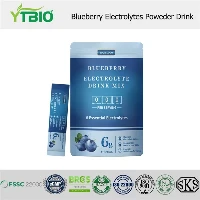
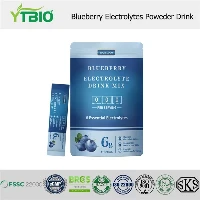
Now, what about packaging for end consumers? We supply our electrolyte powder in stand-up pouches with heat-sealable liners, but a lot of brands cut corners here-using thin pouches that tear easily or skip the moisture barrier. Here's the rule: consumer packaging should be moisture-resistant. If you're using bulk packaging for your own brand, avoid repackaging into generic plastic bags at small shops (we've had clients do this and lose 10% of a batch to humidity in a month). Pro tip: add desiccants in each consumer pouch if you're selling in high-humidity regions. And for your brand partners, if you're expanding your product line beyond electrolytes-say, adding functional supplements-we've worked with clients that do OEM/ODM for other products, like Bitter Melon Extract Tablets or Natto Tablet Candy-those follow similar moisture-strict rules too, so it's smart to align your storage protocols across your whole product catalog if you have multiple lines.
Next, common mistakes we see every day, especially from newer brands. Number one: leaving the consumer pouch open after scooping. That's such a simple fix, but people skip it. We recommend using a powder scoop that stays inside the pouch (tucked in the side, not floating free) so you don't have to reach in with wet hands-wet hands = moisture transfer. Another mistake: storing electrolyte powder in the pantry door or above the stove. The kitchen is humid! Cooking, boiling water, even dishwashing makes that area 10–15°F hotter than the rest of the kitchen, and humidity spikes. Instead, stash the pouch in a cool, dry cabinet-like a back shelf, not the door. If you live in a super humid climate (think Singapore, parts of Brazil), even a pantry might be too much-we've had customers in Thailand keep their electrolyte powder in airtight glass jars in the back of a closet, and that's worked like a charm. Oh, and do NOT refrigerate or freeze it. I know people say "keep everything cold," but condensation happens when you take it in and out of the fridge, and that moisture will ruin the powder faster. Trust me, we tested this once-refrigerated powder had 3x more clumps after a week than room temp stored.
Let's talk shelf life, because storage directly impacts how long your powder stays good. When stored correctly (airtight, cool, dry), unopened electrolyte powder lasts about 18–24 months from production. Once opened, that drops to 6–12 months, max. But if you cut corners on storage? That unopened batch could go bad in 6 months. What does bad electrolyte powder look like? Clumps that won't break apart, a stale or sour smell (it shouldn't smell like anything, or faintly like your flavor-fruit, citrus, whatever), or a gritty texture when you mix it (that's undissolved clumps). We always tell our brand clients to label the production date on every package, so you and your customers can track it. And if you're trying to extend shelf life beyond that? Maybe adding functional ingredients that are stable, like the ones we help with-White Kidney Bean Tablets or Dandelion Pressed Candy are examples of ingredients that hold up well in long-term storage, so if you're blending them with electrolytes, they don't add extra stability headaches.
 |
 |
Now, what about bulk storage for brands that are shipping large quantities? If you're sending pallets of electrolyte powder to retailers or distributors, you need to make sure the packaging is stackable without getting crushed (crushed bags = torn, moisture in) and that pallets are wrapped in plastic shrink wrap to block humidity during transit. We once had a client ship a pallet to a retail partner in a rainy month, and the pallets weren't wrapped-by the time it arrived, the bottom layer of pouches was moldy. Lesson learned: shrink wrap every pallet, even if it feels like a hassle. Also, avoid stacking pallets more than 4 feet high. Too much weight at the bottom crushes the packaging, and crushed packaging = compromised moisture barrier. If you're storing pallets in a distributor's warehouse, make sure they're kept off the floor (use pallets stands, not directly on concrete) because concrete holds moisture, and that will seep through the bottom of drums or bags over time.
Wait, let's get specific for the supplier side-since you're a brand that makes electrolyte powder, you probably work with retailers or distributors that have their own storage, so here's a tip for you: give clear storage instructions on every product label. We print ours in bold, easy-to-read text: "Store in a cool, dry place. Keep pouch sealed when not in use. Do not refrigerate." People will ignore it if it's tiny, so make it stand out. And if you're doing custom formulations, remember that different electrolytes have slightly different needs. For example, magnesium is more prone to clumping than sodium, so a blend higher in magnesium needs extra desiccants in the packaging. We've adjusted our formulations for clients before, adding a small amount of anti-caking agent that's food-safe, so you don't have to stress as much about storage-just make sure the packaging protects that agent too.
Let's wrap this up with a quick consumer FAQ, since your brand's customers will be asking the same questions. "Can I keep my electrolyte powder in a plastic container after opening?" Yes, as long as it's airtight glass or BPA-free plastic with a tight lid. Avoid the ones with rubber seals that get worn out-replace the lid if it's loose. "What if I see a tiny clump?" If it's a small, loose clump, break it up and use it-just make sure you use it within a week or two. If it's a big, hard clump, or it smells off, toss it. "Can I mix it with other drinks?" Sure, but that's a different topic-we're talking storage here.
If you're a brand looking to refine your electrolyte powder storage, or even expand your product line with other functional supplements (we do OEM/ODM for Oligo-Chitosan Tablets too, if you're into that), get in touch to chat. We've been in this space long enough to help you avoid the common pitfalls that waste product and money. Whether you're just starting out or scaling up, we can work with you to design packaging and storage protocols that keep your electrolyte powder fresh for longer.
Telephone/WhatsApp:+8617782577059
Email:sales@sxytbio.com
reference
- Journal of Food Protection, "Hygroscopicity and Stability of Sports Drinks Powders" (2020)
- International Journal of Food Microbiology, "Packaging Effects on Nutrient Retention in Functional Powders" (2018)
- U.S. Food and Drug Administration, "Guidance for Industry: Storage and Shelf Life of Dietary Supplements" (2021)