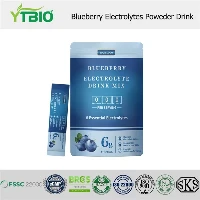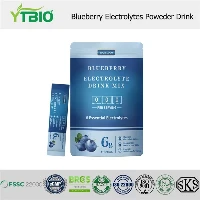

If you've ever stood in a convenience store's beverage aisle, squinting at shelves of powdered drink mixes promising to "replenish energy" or "beat dehydration," you've probably asked the same question I hear from dozens of customers every month: Do electrolyte powder drinks actually have the core electrolytes people need-sodium, potassium, magnesium, the stuff that keeps your body running? As a supplier of electrolyte powder drinks, I get this query all the time, and it's one that's way more nuanced than a simple yes or no. Let's break this down, pull back the curtain on how our products are formulated, and clear up the myths that muddle so many people's understanding of what these powders deliver.
First, let's ground this in basic physiology, because electrolytes aren't just a buzzword. Your body relies on charged minerals (ions) to regulate everything from nerve function and muscle contractions to fluid balance. When you sweat-whether you're pounding a treadmill for an hour, working a 12-hour shift outdoors, or even dealing with a fever-you lose key electrolytes, most notably sodium (the one that makes salt salty), potassium, and small amounts of magnesium and calcium. The problem with many sugary sports drinks, or even plain water, is that they either skimp on these minerals or load up on added sugars that do more harm than good for sustained hydration. That's where electrolyte powders come in, but not all are created equal.
The short answer is: Most reputable electrolyte powder drinks, including the ones we manufacture for clients and private labels, do include sodium and potassium as core ingredients. But how, and in what amounts, matters a lot. Unlike pre-mixed bottled beverages, which often have to stabilize ingredients to prevent separation, powdered formulations let us tailor electrolyte levels far more precisely to specific use cases. For example, powders designed for endurance athletes might have 300–500mg of sodium per serving (similar to what you lose in an hour of heavy sweating), while ones for post-workout recovery might bump potassium up to 200–300mg to help muscles repair. That's a big advantage over many sugary sports drinks, which might only have 100mg of sodium per serving-barely enough to offset mild, everyday sweating, let alone intense activity.
 |
 |
But here's the catch: Not all "electrolyte" powders advertise their sodium and potassium content clearly, and some cut corners to cut costs. I've seen cheaper, store-brand powders that list "electrolytes" on the front label but hide only 50mg of sodium per serving-hardly enough to make a difference for anyone doing anything more strenuous than a short walk. Others mix in less expensive mineral fillers, like calcium carbonate, instead of the bioavailable salts that your body actually absorbs well. Sodium, for instance, is almost always added as sodium chloride (table salt) or sodium citrate, both of which break down easily in your digestive tract to deliver the sodium ions you need. Potassium, meanwhile, might come from potassium chloride or potassium phosphate, another key mineral for heart health and fluid balance.
Wait a second, though-why do some people say electrolyte powders don't have enough electrolytes? It often comes down to mislabeling or unbalanced formulation. A few brands will add trace amounts of a dozen different minerals, but only 100mg of sodium total. That's why, as a supplier, we prioritize transparency: every one of our formulations lists exact amounts of sodium, potassium, and other electrolytes right on the nutrition facts panel, no vague "electrolyte blend" hiding low numbers. For example, a standard serving of our general-purpose electrolyte powder has 400mg sodium, 200mg potassium, and 50mg magnesium-exactly the amounts recommended by sports nutrition guidelines for moderate to heavy activity.
It's also important to distinguish between electrolyte powders and other types of tablet supplements that might be confused with them. A lot of people reach for tablets when they need electrolytes, but tablets can contain very different profiles. For instance, if you're looking for plant-based prebiotics to support gut health alongside electrolytes, you might check out the Xylooligosaccharide Tablets, a popular option for adding fiber without the sugar that can upset hydration balance. If you're seeking ingredients to support respiratory or energy function, the Cordyceps Militaris Tablet Candy offers adaptogenic properties that pair well with electrolytes for sustained performance. For people who prefer salt-based supplements (natural salt is a key sodium source), the Algae Salt Tablet Candy provides a mineral-rich alternative to table salt, perfect for adding a quick electrolyte boost without mixing a full powder. Those focused on anti-inflammatory or antioxidant support might turn to the Pine Powder Pressed Candy, while the Natto Tablet Candy offers added benefits for cardiovascular health that complement electrolyte balance. None of these are electrolyte powders, but they're complementary options our clients often offer alongside our core powder line to meet different customer needs.
Now, let's address a common myth: That electrolyte powders are just "salt water in a bottle." That's true only if you're buying a cheap powder with just sodium. Our products balance sodium with potassium because the two work in tandem to regulate fluid movement in and out of your cells. Too much sodium without enough potassium can throw your body's fluid balance off, leading to bloating or even cramping-something I've seen happen when customers try to DIY their own electrolyte mixes with just table salt and water. We also avoid adding excessive sugar, a mistake many older powdered mixes make. Some have as much as 20g of sugar per serving, which spikes blood sugar and leads to a crash an hour later; our powders use natural sweeteners like stevia or monk fruit, and only add small amounts of fruit-derived sugars for flavor, keeping total sugar under 5g per serving.
Another point that surprises a lot of people: Electrolyte powders aren't just for athletes. Everyday people use them too. If you're prone to post-meal bloating, traveling on a plane (where cabin air dehydrates you and you lose electrolytes through breathing), or even dealing with a stomach bug that causes vomiting or diarrhea, a good electrolyte powder can replace lost minerals faster than water alone. We've had clients who sell to teachers who work outdoors in the summer, parents caring for sick kids, and even office workers who reach for a powder on days they drink too much coffee or alcohol (which acts as a diuretic, flushing electrolytes out of your system). In these cases, the balanced sodium-potassium ratio is even more important-you don't need the high amounts for intense exercise, but you do need enough to rehydrate without making yourself feel sluggish.
So how do you know if an electrolyte powder drink actually has the electrolytes you're looking for? As someone who's worked in this space for years, here's what I recommend: First, check the nutrition facts panel, not just the front label. If it says "electrolyte blend" with no numbers for sodium and potassium, keep shopping. Look for at least 300mg of sodium per serving for moderate use, and 150mg of potassium as a minimum. Second, avoid powders with artificial colors, flavors, or excessive added sugars-those don't contribute to electrolyte balance and can cause digestive issues. Third, if you're using it for a specific purpose (like post-workout or travel), pick a formulation tailored to that use: our endurance powder has extra sodium, while our recovery powder has extra potassium, for example.
At the end of the day, the question isn't just "Do electrolyte powder drinks have sodium and potassium?" It's "Do they have enough of the right kinds of sodium and potassium, in a balanced formula that works for your needs?" That's where the gap between generic, low-quality powders and a well-made formulation comes in. As a supplier, we don't cut corners on our electrolyte blends. We source our sodium from clean, bioavailable salts, our potassium from plant-derived compounds, and we test every batch to make sure the exact amounts listed on the label are there-no overpromising, no underdelivering.
Whether you're a brand looking to launch your own electrolyte product, a retailer looking to stock high-quality options, or a consumer tired of guessing which drinks actually work, we offer custom formulation services to tailor powders to your specific needs. If you're ready to learn more about our electrolyte powder line, or discuss how we can support your product development, we're here to help. Don't hesitate to reach out for a consultation to explore how our formulations can fit your goals.
Telephone/WhatsApp:+8617782577059
Email:sales@sxytbio.com
References
- American College of Sports Medicine. (2020). Position stand on nutrition and athletic performance. Medicine & Science in Sports & Exercise, 52(12), 2622–2656.
- Institute of Medicine. (2004). Dietary Reference Intakes for Water, Potassium, Sodium, Chloride, and Sulfate. National Academies Press.
- Sawka, M. N., Burke, L. M., Eichner, E. R., Maughan, R. J., & Montain, S. J. (2007). Exercise and fluid replacement. Medicine & Science in Sports & Exercise, 39(2), 377–390.
- Journal of the International Society of Sports Nutrition. (2018). Electrolyte supplementation and exercise performance: A systematic review and meta-analysis. 15(1), 1–14.