
If you've ever felt drained after a long workout, stuck through a sweltering workday without enough water, or even pulled an all-nighter that left you fuzzy and unsteady, chances are you've glanced at an electrolyte powder bottle and wondered: can I take this every day? As a supplier of electrolyte powder drink products, I get this question all the time-not just from customers stocking up for post-sweat recovery, but from people who see it as a daily wellness boost, too. Let's break this down, because the answer isn't a simple "yes" or "no"-it's rooted in how your body uses electrolytes, what your daily routine actually looks like, and how to use these powders safely and effectively.
First, let's start with the basics. Electrolytes are minerals that carry an electric charge in your body, and they do way more than just keep your muscles from cramping. The key ones-sodium, potassium, magnesium, calcium, chloride, and phosphate-regulate your heart rhythm, balance your body's fluid levels, support nerve function, and even help your cells communicate. You lose electrolytes through sweat, urine, and stool, so under normal circumstances, a balanced diet should replenish them: a banana for potassium, a handful of almonds for magnesium, a pinch of sea salt for sodium. But for many people, daily life isn't "normal." Remote workers skipping meals on busy days, outdoor laborers sweating through 8+ hour shifts, or athletes training for hours, for example, might struggle to hit those levels through food alone. That's where electrolyte powder comes in.
So, can you take it every day? Let's look at the science from a practical angle. The key here is "in moderation" and knowing your baseline needs. For someone who sits at a desk 9 to 5, rarely exercises, and eats a standard Western diet high in processed foods (which already have plenty of sodium), adding an extra serving of electrolyte powder every day could push their sodium intake too high. The World Health Organization recommends less than 2,000 mg of sodium per day for adults; a single electrolyte powder can have anywhere from 300 mg to 1,000 mg, depending on the formula. Over time, too much sodium can raise blood pressure, strain your kidneys, and even lead to water retention-stuff no one wants.
But for others, daily use makes total sense. Let's take a construction worker in a hot, humid climate: they can lose 1 to 2 liters of sweat per hour, and with that, 400 to 800 mg of sodium, plus potassium and magnesium. If they rely on fast food for lunch (low in those key minerals), an electrolyte powder every day helps replace what's lost, prevents cramping, and keeps their energy steady. The same goes for endurance athletes: marathon runners or triathletes often use electrolyte drinks throughout training season, and daily use is part of their performance routine, as long as they're pairing it with enough water and not exceeding their individual sodium limits.
There's also the group of people who might have medical conditions that require daily electrolyte support. For example, those with chronic kidney disease (who may struggle to excrete excess minerals) or people taking certain medications like diuretics can have imbalances that require a doctor's approval for daily supplementation. But for most healthy people, daily electrolyte powder isn't harmful-if it's tailored to your needs.
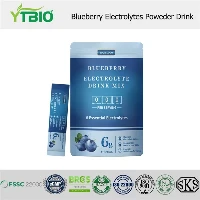
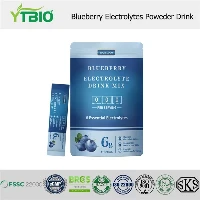
Now, let's talk about what makes a good daily electrolyte powder, because not all formulas are created equal. Some cheap brands load up on added sugars, artificial flavors, and fillers that aren't great for daily use. As a supplier, I've worked to create formulas that are low in sugar, high in the electrolytes you actually need, and free of unnecessary additives. A good daily formula will have a balance of sodium (to replenish sweat loss), potassium (to support heart health), and magnesium (to reduce muscle tension), without extra sweeteners that spike your blood sugar.
Wait, but here's a common question: can you replace a meal with electrolyte powder? No, that's a big no. Electrolytes are supplements, not meal replacements. They don't have protein, fiber, or the other nutrients your body needs to function. If you're using electrolyte powder every day, it should be in addition to a balanced diet, not instead of it.
Another point to consider: when you take electrolyte powder matters. If you're using it during a workout or a long day outside, that's perfect. But if you're chugging a whole bottle before bed, you might end up with nighttime bathroom trips, which disrupts your sleep. Timing it around your activity levels or meals makes it much more effective.
Let's also address a common misconception: electrolyte powder is only for athletes. I've seen many regular people use it daily to beat fatigue, especially during busy seasons or hot weather. For example, a teacher who spends all day standing and sweating in a classroom might find that daily electrolyte powder helps them avoid mid-afternoon crashes, which makes sense. But again, it's all about your baseline. If you're not sweating much and already eating plenty of electrolytes, adding an extra serving is unnecessary.
Now, let's talk about safety. Like any supplement, electrolyte powder can have side effects if used incorrectly. We already mentioned high sodium, but excessive potassium can be a problem for people with kidney issues, and too much magnesium can cause diarrhea or stomach cramps. That's why it's so important to check the nutrition label, follow the recommended serving size, and if you have any pre-existing conditions, talk to your doctor before starting daily use.
As a supplier, I also want to note that electrolyte powder isn't the only way to get electrolytes. Whole foods are always a great option: sweet potatoes for potassium, spinach for magnesium, Greek yogurt for calcium, and even coconut water (though it's lower in sodium than many powders). But for people who are on the go, don't have time to prep meals, or sweat heavily, it's a convenient option that works for daily use-when used right.
There's also a trend lately of combining electrolytes with other supplements for daily wellness. I've had customers ask if they can pair their electrolyte powder with other tablets, and that's absolutely possible. For example, if you're looking to support skin health along with electrolyte balance, you might check out Glutathione Collagen Tablets for added benefits. If you're needing a boost of vitamin C, Liposomal Vitamin C Tablets or Acerola Vitamin C Tablet Candy are great options. For digestive support, Xylo-oligosaccharide Tablet Candy can complement your daily routine, and if you're focusing on bone and immune health, Vitamin D Vitamin K Tablets work well alongside electrolyte supplementation. It's all about building a routine that fits your individual needs, and as a supplier, we're here to help you find the right combinations.
 |
 |
Wait, let's circle back to the original question: can you take electrolyte powder every day? The short answer is: yes, for most healthy people who have high daily electrolyte needs (from activity, heat, or lifestyle), as long as you choose a quality formula, follow the serving size, and pair it with a balanced diet. If you're sedentary, have low sodium intake, or have medical conditions, it's best to talk to a doctor first.
But let's make this practical. Let's say you're a regular person who works out 3-4 times a week, eats a balanced diet, and lives in a moderate climate. Adding one serving of a low-sugar electrolyte powder every day is totally safe and can help you maintain energy and electrolyte balance. If you're a laborer sweating 5+ hours a day, daily use is not just safe-it's necessary to prevent cramping and fatigue.
The key mistake people make is overdoing it. I've seen customers buy a big tub and use two servings a day because they think "more is better," but that's when problems start. Your body only needs a certain amount of electrolytes, and extra that you don't use gets excreted-unless you're consuming way too much, which can strain your body.
Another thing to watch for: hydration. Electrolyte powder works best when mixed with enough water. If you take it without drinking enough, you can actually dehydrate faster, because the electrolytes draw water into your bloodstream. So, every time you mix a serving, make sure it's with at least 16 ounces of water, and that you're drinking enough throughout the day.
As a supplier, I've built my business on providing high-quality electrolyte products that are designed for daily use, not just for post-workout. We test every formula to make sure the electrolyte levels are balanced, the sugar content is low, and there are no artificial additives that would be harmful to take every day. I've seen firsthand how the right daily electrolyte routine can make a difference in someone's energy levels, workout performance, and overall well-being.
If you're still unsure whether daily electrolyte powder is right for you, or you're looking for a formula that fits your needs, I encourage you to reach out to our team for a consultation. We can discuss your lifestyle, activity level, and dietary habits, and help you choose the right product. Whether you're a casual user or a competitive athlete, we're here to support your needs.
At the end of the day, the answer to "can you take electrolyte powder every day" depends on you. It's not a one-size-fits-all, but when used correctly, it can be a valuable part of your daily wellness routine. Don't just take my word for it-talk to a healthcare provider, check the science, and choose a product that aligns with your goals.
Telephone/WhatsApp:+8617782577059
Email:sales@sxytbio.com
REFERENCES
- American College of Sports Medicine. (2020). Position Stand on Exercise and Fluid Replacement. Medicine & Science in Sports & Exercise, 52(12), 2757-2782.
- World Health Organization. (2021). Guideline: Sodium Intake for Adults and Children. WHO Press.
- Institute of Medicine. (2019). Dietary Reference Intakes for Electrolytes and Water. National Academies Press.
- Journal of the International Society of Sports Nutrition. (2022). Electrolyte Supplementation in Athletes: A Systematic Review. JISSN, 19(1), 45.
- Centers for Disease Control and Prevention. (2021). Heat-Related Illness Prevention and Management. CDC.gov.