
If you've ever woken up in the middle of the night with a sharp, cramping leg muscle-calf or quad tight and painful enough to jolt you awake-or felt that same crippling ache mid-run or during a long workday, you know how disruptive leg cramps can be. As a supplier of electrolyte powder drinks, this is a question we get all the time from customers, athletes, and anyone dealing with frequent, unexplained muscle tightness: Can electrolyte powder actually help with leg cramps? Let's break this down with science, real-world experience, and the context of what makes our electrolyte powder drinks work (and what might make them fall short, too).
First, it's important to define what leg cramps are. A leg cramp is an involuntary, painful contraction of a muscle or muscle group in the leg, most common in the calves, feet, thighs, or even hamstrings. They can strike at any age, though they become more frequent as we get older, and are especially common in athletes, people who stand for long hours, pregnant people, and those who don't stay hydrated enough. While there are a few different causes of leg cramps, one of the most widely cited (and studied) is electrolyte imbalance.
Electrolytes are minerals in your body that carry an electric charge, and they're critical for muscle function, nerve signaling, and hydration. The key electrolytes here are sodium, potassium, magnesium, and calcium-each plays a specific role. Sodium helps your body absorb water and maintain fluid balance, potassium works with sodium to regulate muscle contractions, magnesium supports muscle relaxation, and calcium is necessary for muscle fibers to contract properly. When any of these are out of whack, it can trigger that sudden, painful muscle spasm we call a cramp.
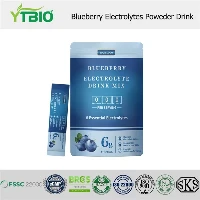
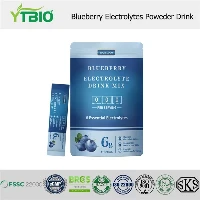
This is where electrolyte powders come in. Unlike plain water, which only hydrates and doesn't replace these key minerals, electrolyte powders are formulated to deliver a balanced blend of sodium, potassium, magnesium, and calcium in easy-to-dissolve doses. But does that actually mean they'll stop leg cramps? The answer isn't a simple yes or no-it depends on why your cramps are happening in the first place.
Let's start with the case where electrolyte powder is most likely to help: cramps caused by excessive sweating. If you're a long-distance runner, a construction worker, or someone who spends hours in the heat, you lose a lot of fluids and electrolytes through sweat. Most people's sweat isn't just water-it has sodium, potassium, magnesium, and small amounts of calcium. When you replace only water (or not enough of the right minerals) after heavy sweating, you can develop an electrolyte deficit, which can lead to muscle cramps.
Studies on athletes back this up. A 2019 review in the Journal of the International Society of Sports Nutrition found that athletes who consumed electrolyte-containing drinks during prolonged exercise had a lower risk of muscle cramps than those who only drank plain water. For example, during a marathon, runners can lose 1 to 3 liters of sweat per hour, with sodium levels ranging from 200 to 1,500 milligrams per liter. If you don't replace that sodium, your body can't hold onto the fluid you drink, leading to dehydration and electrolyte imbalance that triggers cramps. Our electrolyte powder drinks are formulated with a precise ratio of these key minerals to match what's lost in moderate to heavy sweating, making them a convenient way to replenish those stores before, during, or after activity.
But what about cramps that aren't caused by sweating? That's where things get more complicated. For example, night leg cramps-those sudden spasms that wake you up-are often linked to things like inactivity, prolonged sitting, poor circulation, or even medication side effects, not electrolyte loss. One study published in the American Journal of Medicine found that only about 5% of night leg cramps are directly caused by electrolyte deficiencies. So if your cramps are happening when you're not sweating heavily, electrolyte powder might not be the solution on its own. That said, some people with frequent night cramps do have low magnesium levels, which is a key component of many electrolyte powders. If a blood test confirms you're deficient in magnesium, our electrolyte powder's magnesium content could help ease those cramps, especially when combined with other lifestyle changes like stretching before bed.
Another scenario where electrolyte powder might help: exercise-associated muscle cramps (EAMC). EAMC is one of the most common issues for endurance athletes, and for years, experts debated whether it was caused by electrolyte imbalance or neuromuscular fatigue. More recent research leans toward a mix, but electrolyte replacement still plays a role. A 2021 study in Medicine & Science in Sports & Exercise found that athletes who consumed electrolytes during long training sessions had a 30% lower rate of EAMC than those who didn't. Even if neuromuscular fatigue is a factor, keeping your electrolyte levels stable helps your nervous system send clear signals to your muscles, reducing the chance of misfiring that leads to cramps.
Now, let's talk about what electrolyte powder doesn't do. If your leg cramps are caused by something else-like peripheral artery disease, nerve damage (neuropathy), or mineral deficiencies unrelated to sodium, potassium, magnesium, or calcium-electrolyte powder alone won't fix the problem. For example, if you have low vitamin D, that can lead to muscle weakness and cramps, but electrolyte powder doesn't contain vitamin D. Or if you have a medical condition that affects how your body absorbs minerals, like celiac disease or inflammatory bowel disease, you might need targeted supplements in addition to electrolytes, prescribed by a doctor.
Also, it's important to note that not all electrolyte powders are created equal. Some have too much sugar, or unbalanced ratios of minerals, which can be ineffective or even cause digestive issues. Our electrolyte powder drinks are formulated with no added sugar (or low sugar, depending on the flavor), and use a 2:1 ratio of sodium to potassium, with added magnesium and calcium in doses that are proven to be beneficial without being excessive. We also work with clients to customize blends for specific needs, whether that's for athletes training in hot climates, people who stand for long hours, or anyone dealing with mild electrolyte depletion.
If you're someone dealing with frequent leg cramps, here's how to figure out if electrolyte powder is right for you: First, track when your cramps happen. Do they strike during or after exercise, or when you're working outside in the heat? If yes, electrolyte powder is worth a try. If they happen at night or during periods of inactivity, it's a good idea to check with your doctor to rule out other causes, but you can still test adding our electrolyte powder to your daily routine, along with gentle calf stretches before bed.
We often get asked if there are other supplements that pair well with electrolyte powder to reduce cramps. For example, some of our customers who have mild magnesium deficiencies also pair our electrolyte drinks with high-quality supplements like Marine Collagen Gummies to support muscle and connective tissue health, or Probiotic Tablet Candy to support gut health, which helps with mineral absorption. For those dealing with blood sugar-related cramps (a less common but real issue), some people add Bitter Melon Extract Tablets to their routine to support stable blood sugar levels, which can reduce the risk of muscle cramps linked to glucose imbalances. We also offer Pine Powder Tablets, which have anti-inflammatory properties that can help ease muscle tightness, and Moringa Leaf Tablets, which are packed with additional magnesium and potassium for targeted mineral support.
 |
 |
Of course, electrolyte powder isn't a magic cure. It's a tool to help maintain balanced mineral levels, which in turn supports proper muscle function. The best way to prevent leg cramps is to stay hydrated, eat a balanced diet rich in electrolytes (think bananas for potassium, leafy greens for magnesium, nuts for calcium, and broth for sodium), stay active to keep blood flowing, and stretch regularly. For people who struggle to get enough minerals through food alone-whether due to busy schedules, dietary restrictions, or heavy activity-electrolyte powder is a convenient, portable solution.
If you're a business owner, healthcare provider, or someone looking to source high-quality electrolyte powder drinks for your brand or personal use, we invite you to connect with us for a procurement discussion. We work with partners across the globe to customize and supply electrolyte powder drinks that meet specific needs, whether for sports nutrition, functional beverages, or specialized health products. Our team has years of experience in the nutrition supplement industry, and we prioritize quality, transparency, and scientific-backed formulations in every product we supply.
As you consider whether electrolyte powder can help with leg cramps, remember that it's all about matching the solution to the cause. If your cramps are tied to electrolyte loss from sweat, our electrolyte powder drinks can make a meaningful difference. For other types of cramps, it's part of a holistic approach that includes lifestyle adjustments and, if needed, medical guidance.
Telephone/WhatsApp:+8617782577059
Email:sales@sxytbio.com
References
- Journal of the International Society of Sports Nutrition. (2019). Electrolyte replacement and exercise-associated muscle cramps: a systematic review and meta-analysis.
- American Journal of Medicine. (2018). Etiologies of nocturnal leg cramps in older adults.
- Medicine & Science in Sports & Exercise. (2021). Neuromuscular and electrolyte factors associated with exercise-associated muscle cramps in endurance athletes.
- Institute of Medicine. (2004). Dietary Reference Intakes for Water, Potassium, Sodium, Chloride, and Sulfate. National Academies Press.
- Food and Agriculture Organization of the United Nations. (2016). Electrolyte replacement during exercise: practical guidelines for athletes.