Product Description
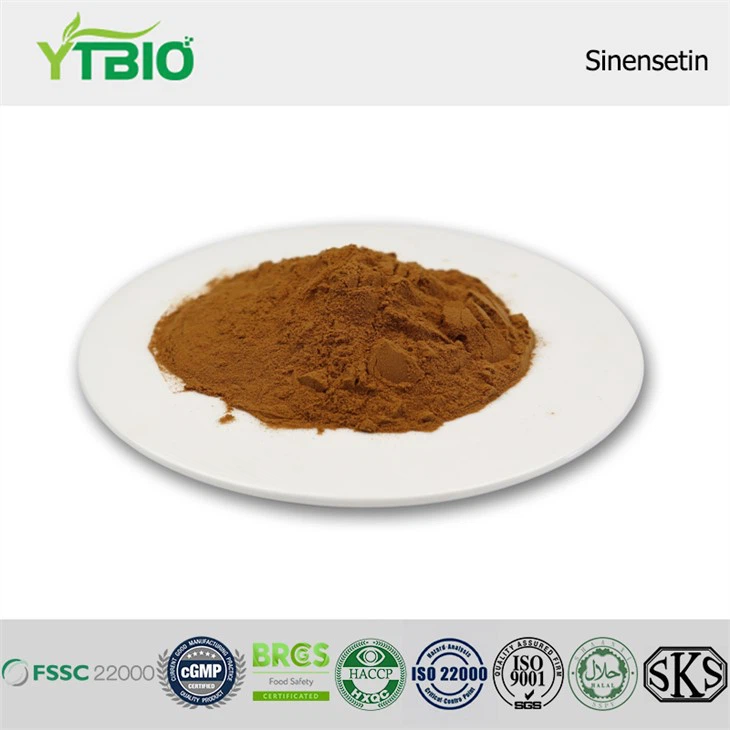
Sweet orange flavonoids (chemical name 5,6,7,3',4'-pentamethoxyflavonoids) are flavonoid compounds found in the fruits and juices of citrus plants. Their molecular formula is C20H20O7, CAS number is 2306-27-6, and molecular weight is 372.37. Other names include 3',4',5,6,7-pentamethoxyflavonoids. They are mainly derived from Rutaceae plants such as dried tangerine peel, citrus peel, and Guangchenpi. This compound possesses antibacterial, anti-inflammatory, anti-allergic, antiviral, analgesic, cardiovascular disease prevention, and antioxidant effects. It can improve lung tissue damage caused by respiratory syncytial virus infection through the AMPK/mTOR signaling pathway. Studies have shown that it can inhibit the proliferation of HCT116 colon cancer cells, arrest the cell cycle in the G1 phase, and upregulate the expression of p53 and p21 proteins. In terms of anti-diabetic effects, sweet orange flavonoids can reduce blood glucose and insulin resistance in obese patients with type 2 diabetes and protect kidney function. The detection method is high-performance liquid chromatography (HPLC), with an ultraviolet detection wavelength of 270 nm. As a scientific research reagent, its purity is ≥98%, and it needs to be stored at 2-8°C.
What are the benefits?
1. Anti-inflammatory effects
It can inhibit the release of inflammatory factors (such as IL-6, IL-1β, and TNF-α), reducing inflammatory responses. In animal models, sweet orange flavonoids can significantly alleviate symptoms of inflammatory diseases such as colitis and periodontitis, and reduce tissue damage.
It indirectly exerts anti-inflammatory effects by regulating gut microbiota, increasing the abundance of beneficial bacteria and reducing harmful bacteria.
2. Antioxidant effects
It can effectively scavenge free radicals, reduce oxidative damage, and protect cells from oxidative stress.
By targeting the Bach1 protein, it promotes its ubiquitination and degradation, increases the expression of the antioxidant stress factor HO-1, and enhances cellular antioxidant capacity.
3. Cardiovascular protective effects
It may help lower blood pressure, improve vascular permeability, and reduce symptoms related to venous lymphatic insufficiency, such as leg heaviness and pain.
It has some potential role in the prevention of cardiovascular diseases, but more clinical studies are needed to verify this.
4. Neuroprotective potential
Some studies suggest that it may indirectly affect brain health and reduce the risk of depression by regulating the gut microbiota-brain axis, but its direct neuroprotective effects are not yet fully understood.
Application directions
1. Pharmaceutical Field
- Anti-inflammatory and Immune Modulation: Can alleviate inflammatory diseases such as periodontitis and colitis by regulating inflammatory signaling pathways and inhibiting oxidative stress, thus reducing tissue damage.
- Cardiovascular Protection: Helps lower blood lipids and blood pressure, inhibits platelet aggregation, prevents atherosclerosis, and has a positive effect on the comprehensive management of chronic venous disease (CVD).
- Neuroprotection: May have potential protective effects against neurodegenerative diseases such as Alzheimer's disease by inhibiting the production of β-amyloid protein.
2. Food Industry
- Natural Antioxidants: Used in foods such as oils, meat products, dairy products, and fruit juices to inhibit oxidative deterioration, extend shelf life, and maintain the color, flavor, and nutritional value of food.
- Functional Food Development: Added to weight-loss foods and cardiovascular health foods to regulate fat metabolism, improve blood lipid levels, and meet consumer demand for healthy foods.
- Flavor Modifiers: Imbues foods with citrus flavors, improves taste, and is commonly used in tea beverages, fruit juices, and baked goods.
3. Cosmetics
- Whitening and Anti-aging: Inhibits tyrosinase activity, reduces melanin production, improves skin tone evenness, and reduces age spots; its antioxidant properties can also reduce wrinkles and improve skin elasticity.
- Repair and Soothing: Relieves redness, itching, and other problems associated with sensitive skin; used in repair skincare products to enhance the skin barrier function.
4. Agriculture and Biotechnology
- Plant Protection: Acts as a natural plant growth regulator or stress reliever, enhancing plant resistance to pests, diseases, and adverse environments.
- Microbial Fermentation: May act as a metabolic regulator during microbial fermentation, influencing microbial growth and the production of metabolic products.
Company introduction and certificates obtained
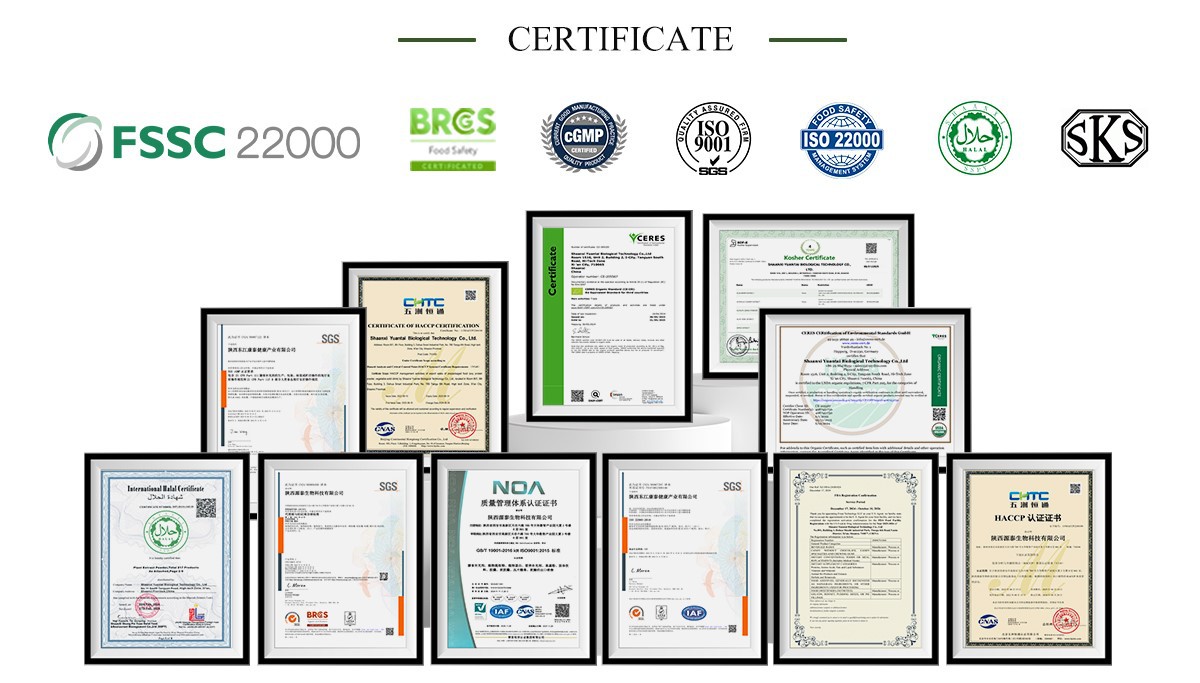
Shaanxi Yuantai Biotechnology Co., Ltd. was established in 2014, mainly supplying herbal extracts, functional cosmetic raw materials, organic products, etc. We have our own factories, R&D and quality inspection teams, and have the conditions for development, production, and quality assurance. At present, we have obtained ISO9001, ISO22000, HALAL, KOSHER, HACCP, FDA and other certificates. Therefore, the quality of our products is guaranteed, and it is our original intention to bring high-quality products to customers.
Our packaging
1KG/Aluminium bags , 25kg/barrel
Storage: Store in a cool, dry, clean place away from moisture and direct light.
We also have special packaging for special products, such as: retinal - cold chain transportation; deoxyarbutin - vacuum transportation

Our team
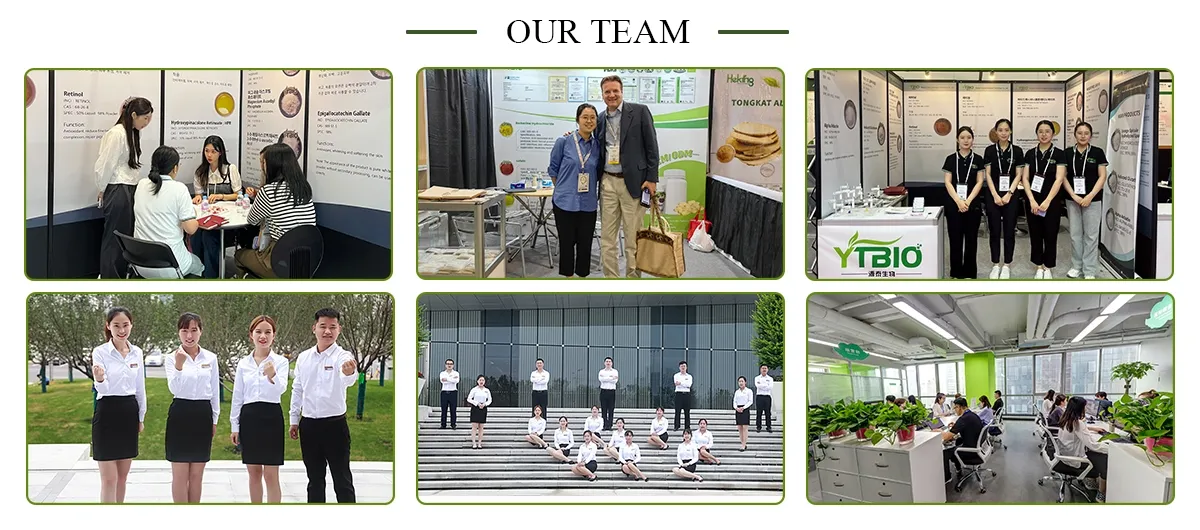
We have a professional R&D team and sales team, which not only ensure product quality, but also ensure a good cooperation experience for customers in the pre-sale, in-sale and after-sale processes. Our sales team has been trained in professional product knowledge, and can respond and solve every problem in cooperation in a timely manner

The payment methods we support are: T/T, VISA, XTransfer, Master Card, Western Union, Alibaba Payment, e-Checking, Online Bank Payment
We support shipping by sea, air, DHL, FedEx, TNT, UPS, EMS, SF

Hot Tags: sinensetin, China sinensetin manufacturers, suppliers, factory