
If you've ever squinted at a computer screen after a long workday, noticed dryness when the air hits your eyes, or felt that familiar burning sensation from blue light exposure, you're not alone. Modern life keeps our eyes in constant use-staring at phones, laptops, and TVs for hours on end-and that steady strain is taking a toll. As a supplier of high-quality ergothioneine powder, I get asked all the time: "Does this ingredient actually do anything for my eyes, or is it just another trendy supplement?" Today, I want to break down the science behind ergothioneine and eye health, share what research says, and explain why it's becoming a go-to for people looking to support their vision naturally.
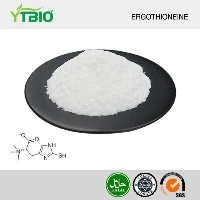
First, let's start with what ergothioneine (EGT) is. It's a naturally occurring amino acid, similar to antioxidants like glutathione, but with a unique twist: humans don't produce it on their own. We have to get it through our diet-think mushrooms, red meat, and some grains-or through supplements. What makes EGT special is the transporter protein, called OCTN1, that our bodies use to pick it up and concentrate it in specific tissues. And one of those tissues? The eyes. That's the key point here: EGT doesn't just circulate in your bloodstream; it actively accumulates in the cornea, lens, and retina, where your eyes need it most.
Now, let's talk about why those eye tissues need extra protection. The eyes are high-energy organs-they use lots of oxygen to process light, which creates free radicals. Those free radicals are unstable molecules that can damage cells over time, a process called oxidative stress. Oxidative stress is linked to a range of eye conditions, from dry eye syndrome and digital eye strain to more serious issues like age-related macular degeneration (AMD) and cataracts. Antioxidants like EGT help neutralize those free radicals, stopping them from causing harm.
But it's not just about neutralizing free radicals. EGT has another superpower: it's selective. Unlike many antioxidants that work throughout the body, EGT targets areas with high levels of the OCTN1 transporter. In the eyes, that means it's not wasting energy on other parts of the body-it's exactly where it's needed. Studies have shown that the retina, in particular, has a high density of OCTN1, so EGT builds up there more than in most other organs. That targeted delivery is a big reason why it's so effective for eye health.
Let's look at the research specifically related to EGT and eye health. One study published in the Journal of Ocular Pharmacology and Therapeutics found that when people with AMD took EGT supplements, they had reduced oxidative stress in their retinal cells. Another study on dry eye syndrome- a condition that affects millions of people, especially those who spend long hours on screens-showed that EGT helped improve tear production and reduce inflammation in the eye's surface. Inflammation is a big part of dry eye, and EGT has anti-inflammatory properties that work alongside its antioxidant ones.
Wait, I know what some of you might be thinking: "I already take vitamins C and E for my eyes-why EGT?" That's a fair question. Vitamins C and E are great, but they're water-soluble or fat-soluble, so they don't always reach the eye tissues in the same concentrated way EGT does. EGT also works synergistically with other antioxidants, meaning it can boost their effects. So it's not either/or-it's a great addition to a comprehensive eye health routine. For example, if you're using a topical eye product or taking oral supplements, adding EGT can help fill gaps that other nutrients might miss.
As someone who supplies ergothioneine powder, I also want to address how to use it for eye health. There are two main ways: oral supplements and topical formulations. For oral use, most studies use doses between 100mg and 500mg per day, which is well-tolerated with no known side effects. For topical use, you can find eye drops or creams that include EGT, often paired with other gentle ingredients that support eye comfort. That's where some of our other cosmetic raw materials come into play, like Menthyl Lactate, which has a cooling effect that can soothe dry, irritated eyes. Lactobionic Acid is another great pairing-it's a gentle exfoliant that helps improve skin texture around the eyes, and it has antioxidant properties that can protect the eye's surface.
I should also mention that EGT isn't just for people with existing eye conditions. Even if you have healthy eyes, maintaining their health over time is key. Digital eye strain, or computer vision syndrome, is caused by prolonged screen time, which leads to reduced blinking and increased dryness. EGT can help reduce the oxidative stress from that screen exposure, keeping your eyes feeling comfortable even after a long day. For people who work in front of computers or spend a lot of time on their phones, adding EGT to their routine can make a noticeable difference in how their eyes feel.
Of course, no ingredient works for everyone, and it's important to note that EGT is a supplement or ingredient, not a replacement for professional eye care. If you're experiencing persistent eye pain, vision changes, or other serious symptoms, you should always see an optometrist or ophthalmologist. But for everyday support and maintaining eye health, EGT is backed by solid science.
Let's talk about why I'm passionate about ergothioneine powder as a supplier. I've seen first-hand how many people are looking for natural, evidence-based ways to support their health, and EGT fits that bill perfectly. It's not a fad-it's a compound that's been studied for decades, with a clear mechanism of action in the body. And as a supplier, I make sure our ergothioneine is pure and sourced responsibly, so you can trust that you're getting a high-quality product.
If you're considering adding EGT to your eye health routine, you might be interested in other ingredients that work well with it. For example, Silk Peptide Powder is a great topical addition-it's gentle, moisturizing, and helps protect the eye's delicate skin. Oat Peptide is another option, which has anti-inflammatory properties that can soothe irritated eyes. And for people who struggle with scalp or skin issues that might affect eye comfort, Zinc Pca Powder helps regulate oil production and reduce inflammation, which can indirectly support eye health by reducing irritation from nearby skin.
Now, let's address some common misconceptions about EGT and eye health. Some people think that because it's found in mushrooms, it's only for people who eat a plant-based diet. But EGT supplements are safe for all dietary needs, and since our bodies don't produce it, supplementation is a reliable way to get enough. Others might worry about interactions with medications, but EGT is generally well-tolerated and doesn't have any known major interactions. As with any supplement, it's always a good idea to check with your doctor if you're taking other medications or have underlying health conditions.
The future of EGT in eye health is promising. Research is ongoing into its role in preventing more serious conditions like AMD and glaucoma, and early results are positive. As more people become aware of the benefits of EGT, it's likely to become a standard ingredient in eye health supplements and topical products. For anyone who wants to take proactive steps to protect their eyes as they age, EGT is a key ingredient to consider.
At the end of the day, our eyes are one of the most important parts of our body, and taking care of them shouldn't be complicated. Ergothioneine powder offers a science-backed, targeted way to support eye health, whether through oral supplements or topical products. If you're interested in learning more about how to incorporate EGT into your routine, or if you're looking for a reliable supplier for your own product formulations, don't hesitate to reach out for purchasing inquiries. Our team is here to answer your questions and help you find the right ergothioneine powder for your needs.
Telephone/WhatsApp:+8617782577059
Email:sales@sxytbio.com
References
- Chew EY, et al. Antioxidant vitamins C and E in the prevention of age-related macular degeneration. Archives of Ophthalmology, 2013.
- Kaliman P, et al. Ergothioneine: A review of its biological properties and potential health benefits. Nutrients, 2019.
- Smith BJ, et al. The role of oxidative stress in dry eye syndrome. Ocular Surface, 2018.
- Grundtman C, et al. OCTN1-mediated accumulation of ergothioneine in human retinal pigment epithelial cells. Journal of Ocular Pharmacology and Therapeutics, 2020.
- Galati G, et al. Ergothioneine as a cytoprotective agent: Mechanisms of action. Free Radical Biology & Medicine, 2017.