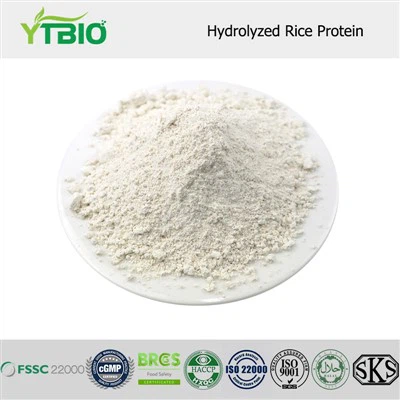

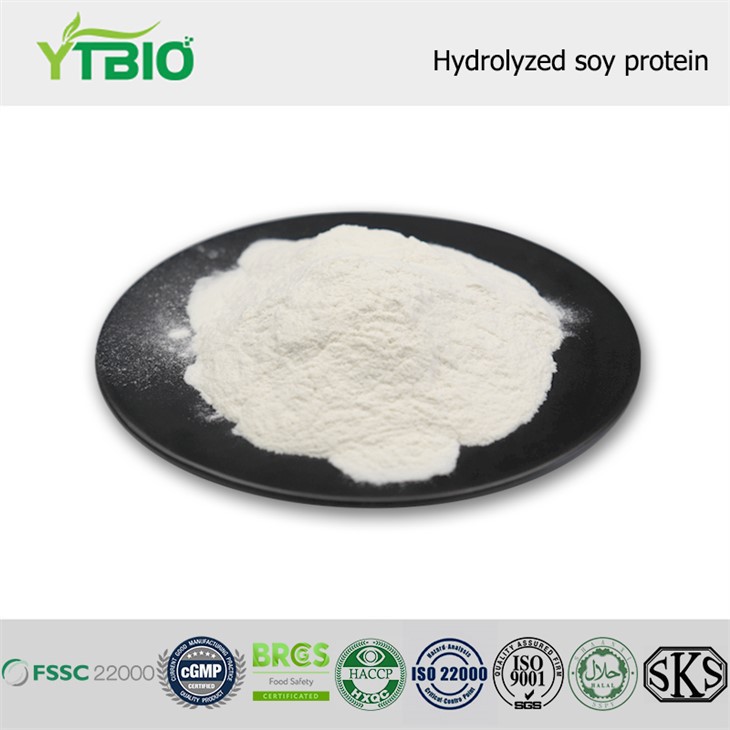
Shaanxi Yuantai Biological Technology Co., Ltd. is one of the most reliable manufacturers and suppliers of hydrolyzed soy protein in China. With abundant experience, we warmly welcome you to wholesale bulk hydrolyzed soy protein for sale here from our factory. Quality products and reasonable price are available.
Products Description
Hydrolyzed soy protein is a complex amino acid mixture obtained from soybeans through hydrolysis technology. Its core component is hydroxyproline, with a content of no less than 18 mg/g of protein. This substance is an amber-colored liquid with a pH of 5.0-6.0 and a dry matter content of 22-32 g/L. It is water-soluble and resistant to high temperatures up to 80℃, compatible with various cosmetic ingredients, and commonly used at concentrations of 1-5%. As a structural component of collagen, it can directly participate in skin collagen synthesis, promoting the production of type I collagen. It also has the functions of reducing wrinkles, enhancing skin elasticity, and inducing hyaluronic acid synthesis, thus delaying skin aging.
This protein achieves diverse applications through different molecular weight fragments: the 1000-10000 Da enzymatic hydrolysate has moisturizing and antioxidant properties, suitable for the slightly acidic environment of the skin; the 150-1000 Da glutamate-enriched peptide can promote hair follicle cell proliferation; and the 10000 Da fragment is used for skin repair. Currently, it is widely used in anti-wrinkle creams, stretch mark repair creams, and other skincare products, commonly using ethylhexylglycerin and phenoxyethanol as preservative and stabilizing systems. When combined with hydrolyzed wheat protein and other ingredients, it can also synergistically provide sun protection by inhibiting melanin synthesis.
What are the benefits?
Hydrolyzed soy protein is a product of breaking down soy protein into small peptides and amino acids using enzymatic or acidic hydrolysis. Its core benefits include promoting nutrient absorption, enhancing immunity, aiding muscle repair, regulating metabolic function, and providing antioxidant effects. Compared to regular soy protein, it has smaller molecules and higher bioavailability, making it suitable for people with weak digestive systems or those needing rapid nutrient replenishment.
Promotes Nutrient Absorption and Digestion
The small peptides and amino acids in hydrolyzed soy protein can be directly absorbed by the intestines, reducing the digestive burden, making it especially suitable for infants, the elderly, or those recovering from surgery. Regular soy protein requires stomach acid to break down, while hydrolyzed protein has already undergone "pre-digestion," allowing for rapid energy provision. Studies show that the amino acid absorption rate of hydrolyzed protein is about 30% higher than that of intact protein.
Supports Muscle Health and Exercise Recovery
Hydrolyzed soy protein is rich in branched-chain amino acids (BCAAs), such as leucine, isoleucine, and valine, which can directly participate in muscle anabolic metabolism, reducing muscle breakdown after exercise. Experiments show that supplementing with hydrolyzed soy protein can improve exercise endurance and accelerate muscle repair after exercise, with effects similar to whey protein.
Regulating Blood Pressure and Blood Lipids
The active peptides produced during hydrolysis (such as ACE inhibitory peptides) have an auxiliary antihypertensive effect, inhibiting angiotensin-converting enzyme activity and helping to dilate blood vessels. Furthermore, its low-fat, zero-cholesterol properties can regulate blood lipid levels, and long-term intake may reduce the risk of cardiovascular disease.
Enhancing Immunity and Gut Health
Small molecule peptides can stimulate intestinal immune cells to secrete immunoglobulins (such as IgA), strengthening the intestinal barrier function. Simultaneously, some peptides can promote the proliferation of probiotics (such as Bifidobacteria), improving the balance of intestinal flora, reducing the colonization of harmful bacteria, thereby indirectly enhancing overall immunity.
Antioxidant and Anti-aging Effects
The polypeptide antioxidants (such as glutathione precursors) contained in hydrolyzed soy protein can scavenge free radicals and reduce oxidative stress damage. Animal experiments have shown that its antioxidant activity can delay the loss of skin collagen and improve skin aging caused by ultraviolet radiation.
Application directions
Cosmetics and Skincare
- Anti-wrinkle and Firming: Promotes type I collagen synthesis by up to 119%, effectively smoothing skin and reducing wrinkles (e.g., crow's feet reduced by 21%–27%).
- Moisturizing and Hyaluronic Acid Induction: Significantly increases skin hyaluronic acid concentration, enhancing natural moisturizing ability.
- Antioxidant and Repair: 1000–10000 Da molecular weight fragments have antioxidant and skin repair effects; 150–1000 Da glutamate-enriched peptides can promote hair follicle cell proliferation.
- Synergistic Combination: Synergistically works with ingredients such as hydrolyzed wheat protein to inhibit melanin synthesis, achieving photoprotection, and can be used in sunscreens or after-sun repair products.
- Usage Conditions: Wide pH compatibility range (2–10), withstands high temperatures up to 80℃, recommended addition level 1–5%, commonly used preservative system is phenoxyethanol + ethylhexylglycerin.
Food and Nutritional Supplements
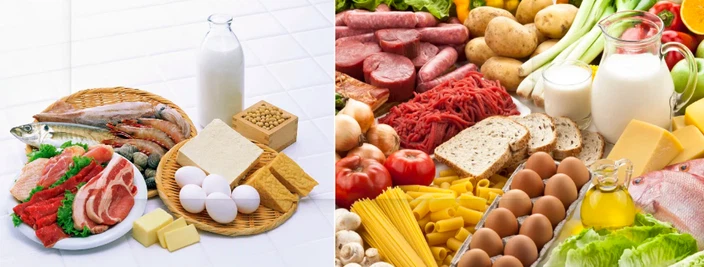
- Easily Absorbable Protein Source: After hydrolysis, the molecular weight is reduced to 500–3000 Da, allowing direct absorption by the small intestine. Suitable for those with weak gastrointestinal function, post-operative patients, or the elderly.
- Sports Nutrition: Supplementation within 30 minutes after exercise can accelerate the absorption of branched-chain amino acids, promote muscle synthesis, and relieve delayed onset muscle soreness.
- Blood Lipid Regulation: Contains soy isoflavones. Daily intake of 25–47 g of soy protein can reduce total cholesterol by 9%–12.6% and LDL cholesterol by 13%–16.7%.
- Food Processing: Used in plant-based protein beverages, soy sauce, soy paste, protein powder, etc., to improve taste, solubility, and stability.
Company introduction and certificates obtained
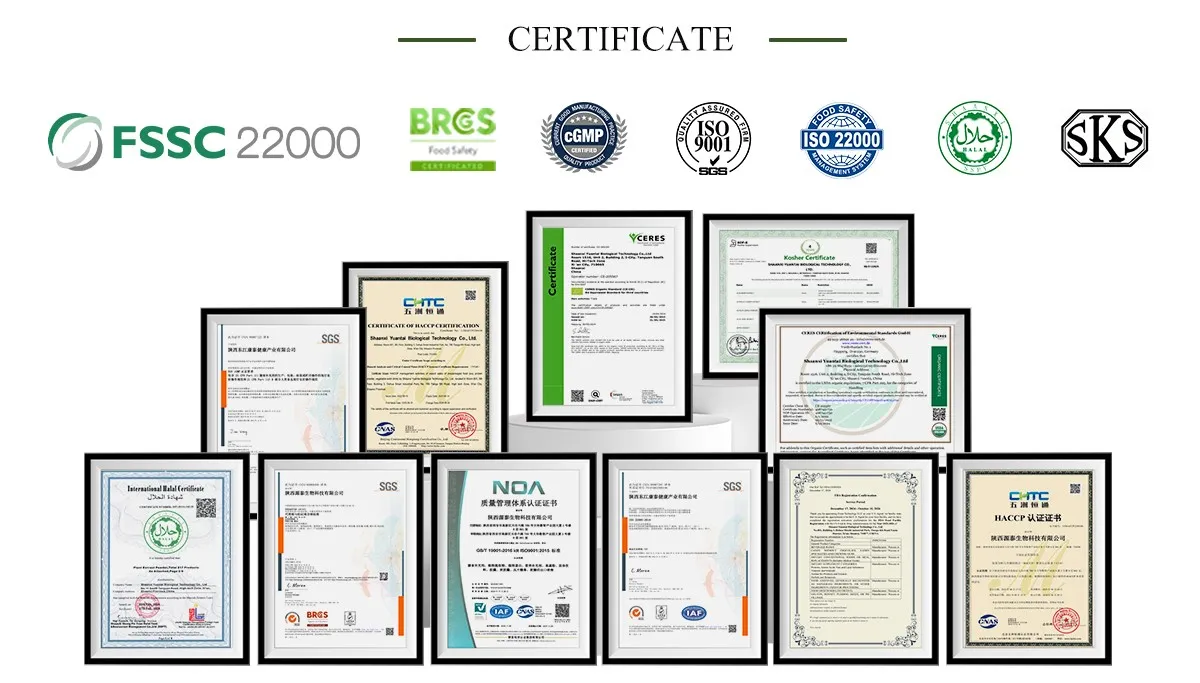
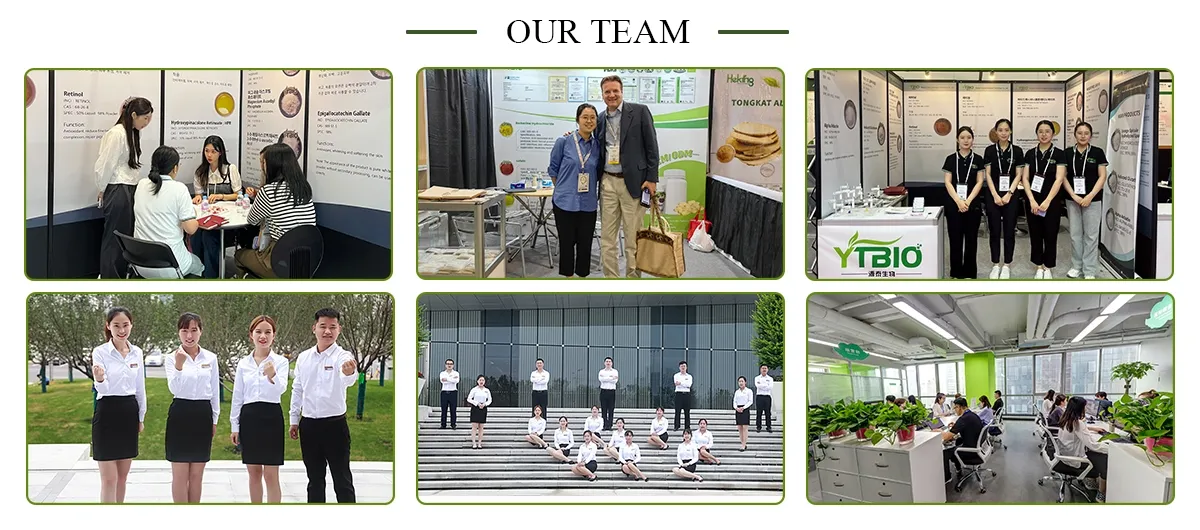
Shaanxi Yuantai Biotechnology Co., Ltd. was established in 2014, mainly supplying herbal extracts, functional cosmetic raw materials, organic products, etc. We have our own factories, R&D and quality inspection teams, and have the conditions for development, production, and quality assurance. At present, we have obtained ISO9001, ISO22000, HALAL, KOSHER, HACCP, FDA and other certificates. Therefore, the quality of our products is guaranteed, and it is our original intention to bring high-quality products to customers.

packaging
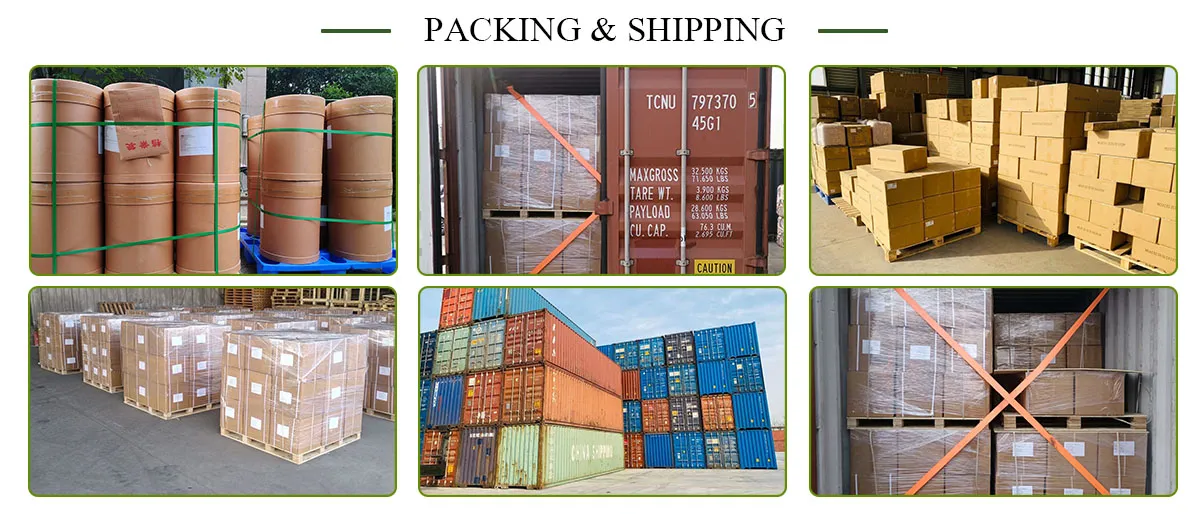
1KG/Aluminium bags , 25kg/barrel
Storage: Store in a cool, dry, clean place away from moisture and direct light.
We also have special packaging for special products, such as: retinal - cold chain transportation; deoxyarbutin - vacuum transportation
→CONTACT US
For more product information and pricing details about Hydrolyzed Soy Protein, please feel free to contact the YTBIO team.
tel/ Whatsapp:86 177 8257 7059
email:sales@sxytbio.com
Hot Tags: hydrolyzed soy protein, China hydrolyzed soy protein manufacturers, suppliers, factory