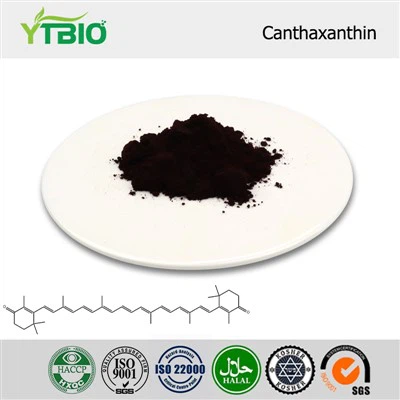
Shaanxi Yuantai Biological Technology Co., Ltd. is one of the most reliable manufacturers and suppliers of astaxanthin oil in China. With abundant experience, we warmly welcome you to wholesale bulk astaxanthin oil for sale here from our factory. Quality products and reasonable price are available.
Astaxanthin Oil: Product Overview
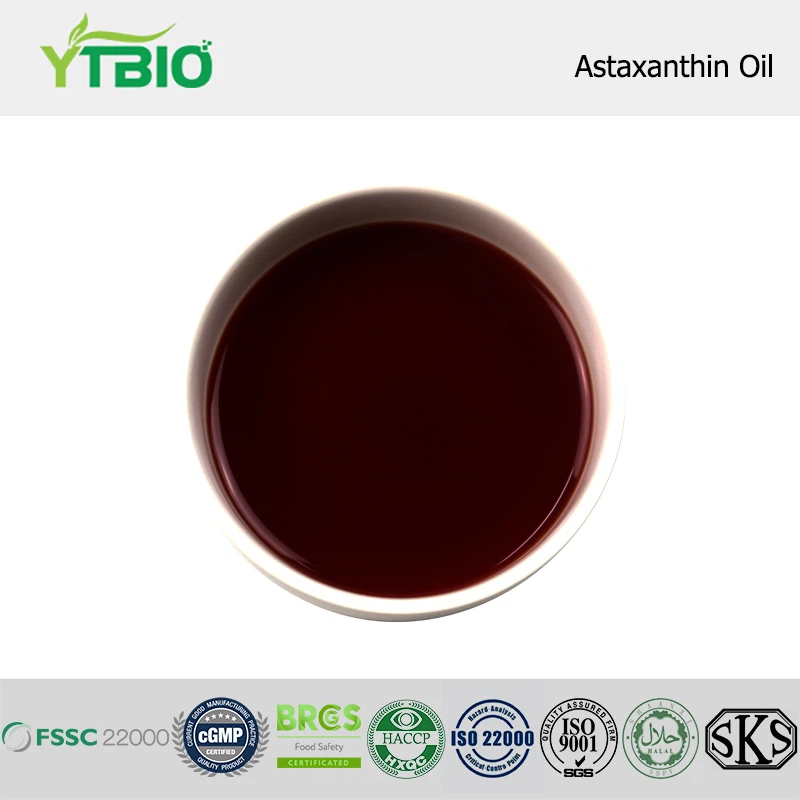
 Astaxanthin oil is a dark red to purplish-red oily liquid produced primarily from Haematococcus pluvialis. It is processed through cell wall disruption, supercritical CO₂ extraction, fine filtration, and concentration. It has a characteristic microalgal odor, is easily soluble in oils, but insoluble in water. Astaxanthin is one of the most potent antioxidant pigments found in nature.
Haematococcus pluvialis is a freshwater single-celled green algae that can synthesize and accumulate large amounts of astaxanthin under environmental stress conditions such as strong light and nitrogen deficiency. The content can reach 1.5%-10.0% of the cell dry weight, making it the currently recognized optimal source of natural astaxanthin. Compared to shrimp and crab shell extracts and Rhodotorula rubrum yeast, astaxanthin from Haematococcus pluvialis has a fully levorotatory configuration, resulting in higher bioavailability, structural stability, and safety.
YTBIO supplies a range of astaxanthin oil products. Production adheres to international certification systems such as cGMP, FSSC22000, BRC, HALAL, KOSHER, ISO9001, and ISO22000. A Certificate of Authorization (COA) is provided with each shipment. Sample testing and flexible MOQ are supported. Please contact us for details.
Astaxanthin Product Specification List:
| Name | Specification |
|---|---|
| Astaxanthin Oil | 10% HPLC / ≥5% HPLC |
| Supercritical Astaxanthin Oil | 10% / 5% |
| Natural Astaxanthin Powder | 3% HPLC / 5% UV / 2% HPLC (water-soluble microencapsulated powder) |
| Synthetic Astaxanthin Powder | 10% Astaxanthin Feed Grade |
Test report
5%:
| Testing Item | Specification | Test Method | Test Result |
|---|---|---|---|
| Appearance | Dark red oleoresin; No empyreumatic; Not rancid; Not peculiar; No visible impurities | 0001 | Qualified |
| Astaxanthin Content (HPLC, %) | ≥5.00 | HPLC | 5.11 |
| Moisture (%) | ≤5.0 | GB 5009.236-2016 | 0.05 |
| Ash (%) | ≤15.0 | GB 5009.4-2016 | 0.07 |
| Lead (mg/kg) | ≤1.0 | GB 5009.12-2017 | 0.12 |
| Arsenic (mg/kg) | ≤1.0 | GB 5009.11-2014 | 0.11 |
| Mercury (mg/kg) | ≤0.1 | GB 5009.17-2014 | Not detected |
| Cadmium (mg/kg) | ≤1.0 | GB 5009.15-2014 | Not detected |
| Total Plate Count (CFU/g) | ≤30000 | GB 4789.2-2016 | ≤100 |
| Coliforms (MPN/g) | ≤0.92 | GB 4789.3-2016 | Not detected |
| Mould and Yeast (CFU/g) | ≤300 | GB 4789.15-2016 | ≤100 |
| Salmonella /25g | Not detectable | GB 4789.4-2016 | Not detected |
| S. Aureus, Shigella /25g | Not detectable | GB 4789.10-2016 | Not detected |
10%:
| Testing Item | Specification | Test Method | Test Result |
|---|---|---|---|
| Appearance | Dark red oleoresin; No empyreumatic odor; Not rancid; No peculiar smell; No visible impurities | Q/SGY 0001 | Qualified |
| Astaxanthin Content (HPLC, %) | ≥10.00 | HPLC | 10.11 |
| Moisture (%) | ≤5.0 | GB 5009.236-2016 | 0.07 |
| Ash (%) | ≤15.0 | GB 5009.4-2016 | 0.07 |
| Lead (mg/kg) | ≤1.0 | GB 5009.12-2017 | 0.11 |
| Arsenic (mg/kg) | ≤1.0 | GB 5009.11-2014 | 0.13 |
| Mercury (mg/kg) | ≤0.1 | GB 5009.17-2014 | Not detected |
| Cadmium (mg/kg) | ≤1.0 | GB 5009.15-2014 | Not detected |
| Total Plate Count (CFU/g) | ≤30000 | GB 4789.2-2016 | ≤100 |
| Coliforms (MPN/g) | ≤0.92 | GB 4789.3-2016 | Not detected |
| Mould and Yeast (CFU/g) | ≤300 | GB 4789.15-2016 | ≤100 |
| Salmonella /25g | Not detectable | GB 4789.4-2016 | Not detected |
| Staphylococcus aureus, Shigella /25g | Not detectable | GB 4789.10-2016 | Not detected |
Core Functions
Astaxanthin oil possesses a powerful free radical scavenging ability, with antioxidant activity approximately 550 times that of Vitamin E, 10 times that of beta-carotene, and 800 times that of Coenzyme Q10. Unlike other antioxidants, astaxanthin can simultaneously penetrate the phospholipid bilayer of the cell membrane and traverse both the inside and outside of the membrane, protecting membrane lipids, proteins, and DNA from oxidative damage.
Cardiovascular Health: By inhibiting low-density lipoprotein oxidation, increasing high-density lipoprotein levels, and reducing platelet deposition, it helps improve the risk of atherosclerosis and coronary heart disease. Studies have shown that daily oral administration of 3.6 mg of astaxanthin for two weeks can significantly prolong the induction time of LDL oxidation.
 Anti-inflammatory and Immune Health: Astaxanthin can activate T lymphocytes, regulate cytokine release, and reduce inflammatory responses.
Exercise and Endurance: Astaxanthin can reduce post-exercise lactic acid accumulation, alleviate oxidative damage to muscle cells, and accelerate fatigue recovery.
Skin Health: Astaxanthin slows down photoaging and skin sagging by scavenging UV-induced free radicals and protecting collagen and elastin fibers.
Eye and Neuroprotection: Astaxanthin is the only carotenoid that can cross the blood-brain barrier and blood-retinal barrier, protecting retinal photoreceptor cells, reducing ischemia-reperfusion injury, and potentially protecting against central nervous system diseases such as Parkinson's disease and Alzheimer's disease.
Kidney Protection: Astaxanthin inhibits hyperglycemia-induced oxidative damage to the glomerular basement membrane and reduces urinary protein excretion.
Suitable for:
·People experiencing long-term high stress, lack of sleep, and fatigue
·Consumers concerned about anti-aging and skin health
·Outdoor workers or those frequently exposed to sunlight
·Athletes and fitness enthusiasts and professional athletes
·Patients with cardiovascular disease, diabetes, and chronic inflammation
Main Applications of Astaxanthin Oil
Dietary Supplements: Astaxanthin Oil mainly used in soft capsules, drops, and other dosage forms to support anti-aging, eye health, cardiovascular protection, and immune regulation.
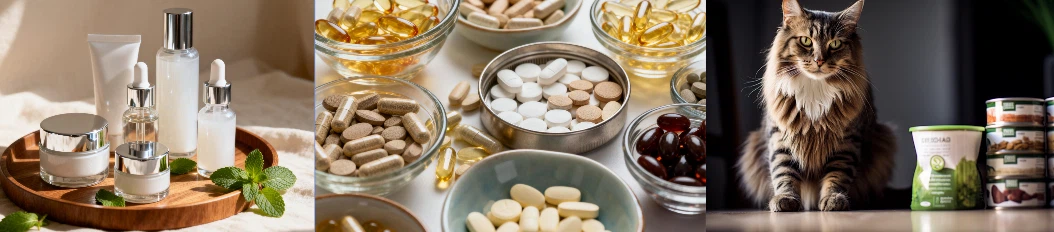
Sports Nutrition: Added to protein powder, endurance drinks, and other products to reduce oxidative damage after exercise and accelerate recovery.
Oral Beauty Products: In liquid or other forms, to improve skin elasticity and reduce wrinkles.
Pet and Animal Nutrition: Added to pet health products or feed to improve antioxidant status and body color in aquatic animals.
Skincare Products: Used in topical formulations such as serums, creams, and sunscreens to eliminate UV-induced free radicals and delay photoaging.
Astaxanthin:Frequently Asked Questions (FAQ)
1. How much astaxanthin should be added to cosmetics to be effective?
The effective addition level of astaxanthin in cosmetics is typically 0.03%-0.06%. This low dose provides a strong antioxidant effect. Adding too much will cause the cream or serum to have an excessively deep orange-red color, affecting the product's appearance.
 2. What is the difference between natural and synthetic astaxanthin?
Natural astaxanthin has a stronger antioxidant protective effect. Natural astaxanthin (derived from Haematococcus pluvialis) has been approved as a new resource food in China, the EU, the US, and many other countries, with a clear safety profile. Synthetic astaxanthin is mainly used for coloring aquatic feed and is not recommended for use in human food or health products.
3. How to choose between astaxanthin oil and astaxanthin powder?
Astaxanthin oil (liquid) is a fat-soluble form, suitable for formulations such as soft capsules, drops, and oil-based serums. It is taken with oils to improve absorption. Powder is suitable for solid beverages, tablets, compressed candies, and water-based cosmetic formulations.
4. Can astaxanthin be used with other antioxidants?
Yes, and they often have a synergistic effect.
5. What is the recommended daily intake of astaxanthin?
The recommended daily intake varies depending on different health goals: 4-6 mg for general antioxidant and daily health maintenance; 8-12 mg for exercise fatigue recovery and skin improvement; 12-16 mg for cardiovascular and anti-inflammatory support, but adjustments should be made based on the specific product.
YTBIO's astaxanthin product series includes Haematococcus pluvialis powder, astaxanthin oil, and astaxanthin powder in various specifications. We support small-sample testing and flexible MOQ. Please feel free to contact us at any time to request samples and technical information.
Telephone +8617782577059
Email sales@sxytbio.com
Hot Tags: astaxanthin oil, China astaxanthin oil manufacturers, suppliers, factory